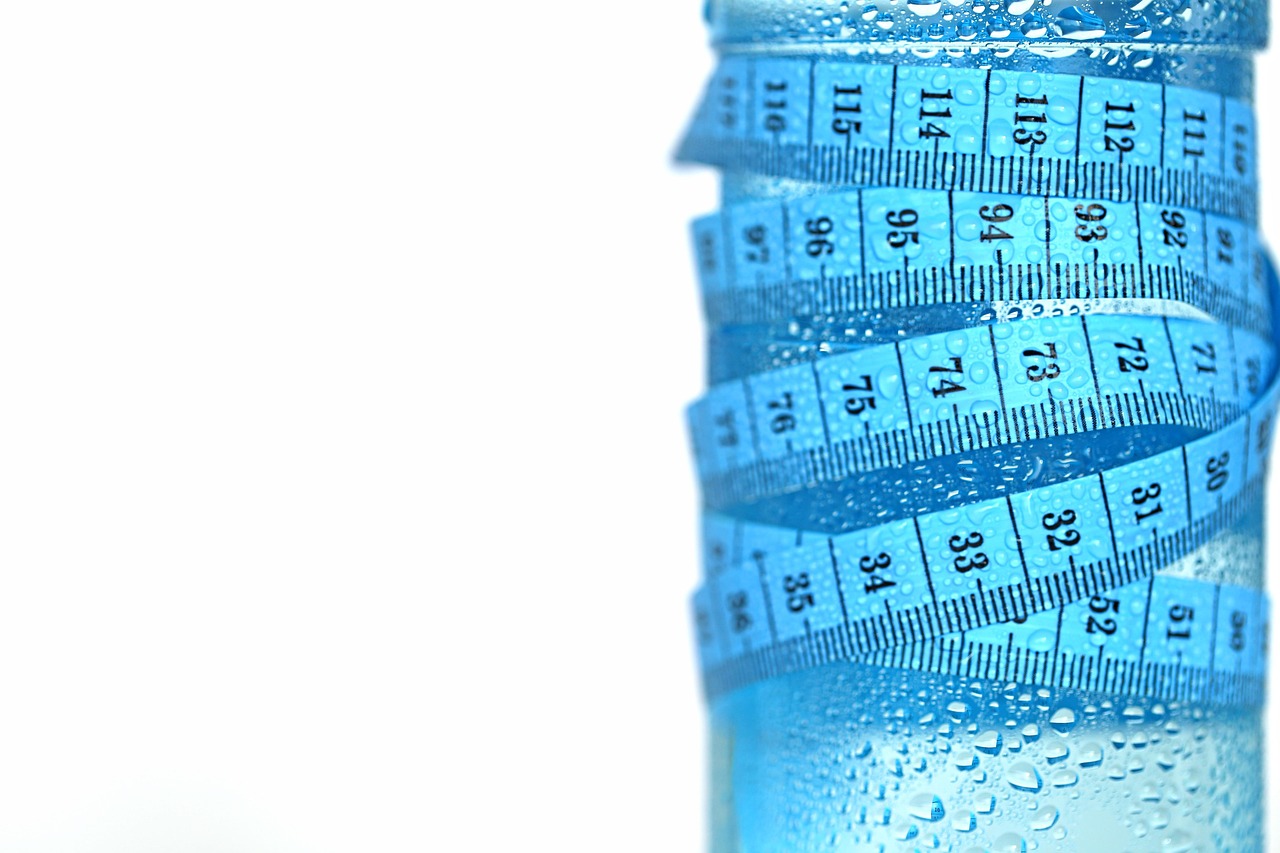

Hydration and Detoxification: Supporting Weight Loss Naturally
Hydration plays a crucial role in weight loss and management, significantly impacting metabolic processes. Water is essential to almost every bodily function, including digestion, nutrient absorption, and elimination of waste. Staying properly hydrated can enhance your metabolism, helping the body burn calories more efficiently. Additionally, water helps control hunger, reducing the chances of overeating. When the body is dehydrated, it often confuses thirst with hunger, leading to increased food intake. Drinking sufficient water throughout the day can suppress unnecessary cravings, enabling better weight control. Drinking water before meals is one effective strategy that can lead to reduced calorie consumption. Research indicates that replacing sugary beverages with water can significantly reduce total caloric intake, making hydration a simple yet powerful tool in managing weight. Moreover, staying hydrated assists with detoxification, as fluids facilitate the efficient removal of toxins from the body through kidneys. Ensuring adequate hydration enhances physical performance and energy levels, making exercise more enjoyable and effective. Overall, drinking enough water daily can support weight loss goals and lead to long-lasting health benefits.
Detoxification is another essential aspect of weight management. Our bodies naturally detoxify using organs like the liver, kidneys, and intestines. However, the modern lifestyle often exposes us to numerous toxins, which can hinder weight loss efforts. A well-hydrated body is better equipped to process and eliminate these toxins effectively. Water helps flush out waste products, reducing the burden on the liver and kidneys. Certain foods can further enhance detoxification processes; incorporating water-rich fruits and vegetables like cucumbers, watermelon, and celery can promote hydration and provide additional detox benefits. Herbal teas and infused waters are excellent alternatives to plain water, offering flavor and potential health advantages. Ingredients like lemon, ginger, and mint can enhance detoxification and digestion. Consuming these in sufficient amounts helps maintain hydration and supports the body’s natural detoxification pathways. Regular detox practices, when combined with proper hydration, can facilitate weight loss while promoting better overall health. Following a balanced diet and staying hydrated may lead to a more effective detoxification process. In conclusion, prioritize hydration and detoxification as essential steps in any weight control strategy.
The Importance of Drinking Water
Many individuals underestimate the importance of drinking adequate water, especially concerning weight management. Studies show that drinking 500ml of water can increase metabolic rates by 30% for about 30 to 40 minutes. This increase translates to burned calories, making hydration a crucial element in weight loss strategies. Additionally, consuming water before meals can lead to reduced food intake. This simple habit can help manage portion sizes and cut unnecessary calories. It’s vital to remember that not all fluids are created equal; sugary drinks can quickly contribute to weight gain rather than loss. Therefore, replacing sodas with water is a fantastic step toward overall health and weight management. Furthermore, proper hydration supports muscle function, which is vital for anyone engaging in regular exercise. Good hydration helps maintain stamina and energy during workouts, allowing for more effective workouts and increased overall caloric expenditure. Including water-rich foods in your diet is another excellent way to stay hydrated while also enjoying a varied diet. In summary, emphasizing the importance of hydration can lead to achieving better weight control and overall health.
In addition to weight loss benefits, hydration has a vast impact on overall health and wellness. Adequate hydration supports skin health by improving elasticity and reducing wrinkles. Dehydration can lead to dry skin, making it less resilient and susceptible to damage. Drinking enough water also aids in digestion, preventing issues like constipation and bloating. When the digestive system is functioning correctly, the body can metabolize food more efficiently, which is crucial for weight management. Another benefit of hydration involves mental clarity; dehydration often leads to fatigue and decreased cognitive function. To optimize overall health, individuals should aim for at least eight glasses of water daily and adjust based on activity levels or climate. Keeping a reusable water bottle handy serves as a constant reminder to drink more water throughout the day. Moreover, proper hydration can enhance recovery after intense workouts. Including hydrating foods, such as fruits, vegetables, soups, and smoothies, into the daily diet can help maintain hydration levels effectively. Being mindful of hydration can contribute to a better overall quality of life while supporting weight loss objectives.
Best Practices for Staying Hydrated
Implementing best practices for staying hydrated can amplify weight management efforts significantly. First, track daily water intake to identify areas for improvement; many apps can help you monitor drinking habits. Setting reminders can prompt you to drink more water throughout the day, addressing situations where hydration often gets overlooked. Second, infuse flavor into your water by adding fresh fruits, herbs, or vegetables, creating delicious, hydrating beverages that will encourage you to drink more. Additionally, opt for water-rich foods as a regular part of your meals; including fruits like oranges or apples can boost hydration levels. Moreover, consider starting your day with a glass of water and drinking before every meal. This habit not only supports digestion but also helps you consume fewer calories. Reduce cravings by always keeping water accessible, ensuring you stay hydrated during busy days and workouts. Lastly, avoid waiting until you feel thirsty to drink water; doing so can lead to dehydration. Instead, adopt regular intervals for drinking water, reinforcing the importance of prioritizing hydration. By using these strategies, you can support both weight management and your overall health.
Hydration can improve physical performance significantly, especially when attempting to lose weight. Dehydration negatively impacts exercise capacity, reducing energy levels and endurance. When engaging in physical activities, maintaining hydration is crucial to achieving the best possible results. Water helps to regulate body temperature, protecting against overheating during workouts, especially in warmer climates. Furthermore, staying hydrated can aid muscle recovery after intense exercise sessions. Drinking water before, during, and after workouts ensures the body operates optimally and can recover more effectively. Enhanced performance guarantees that workouts can be more productive, resulting in increased fat-burning potential. To optimize hydration pre-exercise, aim to drink about 500ml of water 2 hours before working out. During physical activities lasting longer than 60 minutes, consider sipping water regularly to replenish fluids lost through sweat. Post-exercise hydration should include water along with electrolyte-rich beverages to restore lost minerals. Additionally, maintaining consistent hydration levels improves concentration and mood during workouts, leading to more enjoyable experiences. Remember, a well-hydrated body performs better, making hydration a vital aspect of any weight loss and management plan.
Conclusions on Hydration and Weight Management
In summary, achieving effective weight loss and management requires a focus on hydration and detoxification practices. Drinking adequate water, along with prioritizing hydrating foods, can aid metabolic processes significantly. It’s essential to remain vigilant in monitoring fluid intake, tailoring habits to personal needs. Engaging in detox practices can further support the body’s natural purification methods, enhancing overall health. A balanced approach to hydration addresses both short-term and long-term goals in managing weight. Practices such as loading up on water-rich foods, choosing herbal teas, and maintaining daily water intake can foster lasting changes. The benefits of hydration extend far beyond weight loss, as enhanced skin health, digestion, and energy levels contribute to overall wellbeing. Develop a comprehensive hydration plan that includes consistent water consumption and enhances lifestyle through nutritious choices. Remember, connecting hydration with weight control is crucial for achieving desired outcomes. Whether aiming to lose or maintain weight, integrating these practices into daily life can lead to improved health outcomes. Hydration and detoxification are powerful allies in any weight management strategy.
Additionally, research further emphasizes the importance of hydration in dietary plans designed for weight loss. Various studies reveal that individuals who consistently track their water intake not only lose weight effectively but also sustain their success. This success may be attributed to the fact that staying hydrated facilitates better hormonal balance, which is vital for energy levels and metabolism regulation. More specifically, adequate hydration directly influences the production of hormones responsible for hunger and satiety signals. Thus, by ensuring sufficient hydration, individuals can better regulate their appetite and prevent emotional eating or stress-related cravings that lead to weight gain. Furthermore, regularly including hydrating beverages, such as herbal teas and low-calorie drinks, can reinforce good habits and encourage a more wholesome lifestyle. As a simple yet effective strategy, prioritizing hydration contributes to maintaining motivation on a weight loss journey. Ensuring that hydration and detoxification are included in daily routines can pave the way toward achieving lasting weight management success. By recognizing the significance of water in diet plans, individuals can create a healthier relationship with food and ultimately achieve their desired weight goals.