
Increasing Blood Flow with Foam Rolling
Foam rolling has gained popularity as an effective self-myofascial release technique. Many fitness enthusiasts and athletes incorporate it into their warm-up and recovery routines. This method employs a foam roller to apply pressure on specific muscle groups. By targeting tight or sore areas, foam rolling helps release tension and improve blood circulation. Increased blood flow enhances nutrient delivery to muscles, supporting recovery. Regular use of foam rollers can lead to better muscle elasticity and flexibility, both essential for optimal performance. Additionally, it aids in reducing muscle soreness and stiffness after workouts. The practice can also provide relief from minor aches and pains in common problem areas like the back, thighs, and calves. To effectively use a foam roller, start by identifying tight spots and rolling over them slowly while applying pressure. Professional trainers often recommend varying your rolling technique, alternating between firm pressure and lighter touches. Experiment with different rolling speeds to find what works best for you. Incorporating foam rolling into your routine can significantly influence your overall fitness journey and well-being.
Having established foam rolling’s importance, it’s vital to discuss its physiological effects. When you roll over muscle fibers, it stimulates blood circulation. Enhanced circulation is crucial for delivering oxygen and removing metabolic wastes. This process ultimately promotes quicker recovery post-exercise. Furthermore, foam rolling can help break down adhesions and knots within muscles. These knots can form due to intense exercise or inadequate recovery. By alleviating these muscle restrictions, you can improve muscular function and increase range of motion. Increased range of motion allows for better biomechanics during workouts and activities. It translates to improved performance across various sports and physical endeavors. Additionally, foam rolling prepares your muscles for exertion and helps reduce the risk of injury. Engaging before physical activity optimizes muscle readiness, potentially mitigating strain or overstretch injuries. Many athletes adopt foam rolling as a crucial pre-race ritual or pre-practice preparation. Understanding these physiological benefits reveals why foam rolling is more than just a recovery tool; it’s a performance enhancer. With consistent practice, you’ll likely notice marked improvements in your physical capabilities and overall workout experience.
When to Use Foam Rollers
Timing your foam rolling sessions is essential for maximizing its efficacy. Incorporating this practice into your warm-up routine prepares your muscles for rigorous activity. Aim to allocate about 5-10 minutes before your workout for targeted foam rolling. Focus on areas that typically feel tense, such as your lower back, quads, and calves. Foam rolling beforehand primes the muscles by increasing blood flow, enhancing mobility, and activating the neuromuscular system. Utilizing a foam roller post-exercise can bring additional benefits. After strenuous training sessions, rolling helps alleviate tension and aids muscle recovery. It reduces delayed onset muscle soreness (DOMS) and allows for quicker recovery times between workouts. Moreover, consider adding foam rolling on rest days to keep muscle flexibility and circulation in check. Short sessions throughout the week can prevent stiffness and maintain muscle health. Ideally, aim for 10-15 minutes multiple times weekly to achieve optimal benefits. Native use of foam rollers amplifies recovery, maintains flexibility, and promotes overall well-being. Therefore, developing a consistent foam rolling schedule can significantly impact performance and recovery.
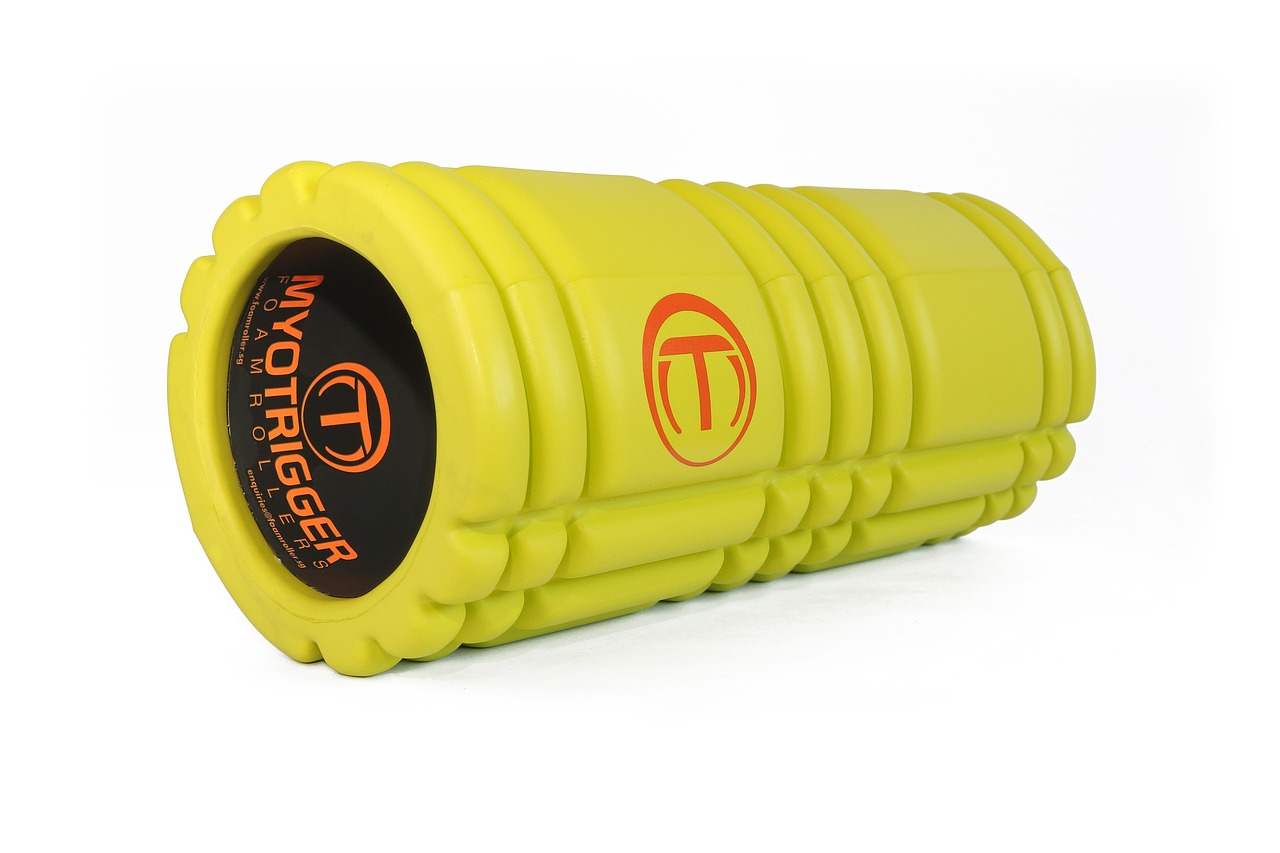
Choosing the correct foam roller involves understanding your needs and training level. Foam rollers come in various shapes and densities, each catering to different user preferences. Firm rollers are perfect for deep tissue work and serious athletes, while softer rollers are better for beginners or those recovering from injuries. Experimenting with different rollers can help you identify what provides the best relief. Additionally, consider the size and shape of the foam roller. Traditional cylindrical rollers are versatile, suitable for most muscle groups. In contrast, smaller, targeted rollers assist in reaching specific areas like knots or trigger points. Many individuals prefer multi-density foam rollers, combining soft and firm regions for varied pressure application. Besides density, surface texture affects the massage experience as well. Smooth rollers offer a gentler massage, while textured options create a more intense release. Finding the right foam roller that suits your needs is crucial for longevity in your fitness journey. The right foam roller not only promotes recovery and enhances performance but also transforms your overall approach to exercise and movement.
Integrating Foam Rolling into Your Routine
To fully appreciate foam rolling’s benefits, integrating it into your fitness routine is essential. Start by designating specific days for foam rolling sessions, potentially pairing them with your strength training days. This strategy helps capitalize on tight muscles during these challenging workouts. Moreover, use foam rolling as a transitional tool between exercises to keep up blood flow. For instance, rolling your legs while resting between sets enhances recovery and sustains performance levels for subsequent exercises. Remember, consistency is key; the more diligent you are, the better your results will be. Schedule regular sessions, and utilize reminders to ensure you maintain this crucial practice. Another effective approach is trying foam rolling along with functional stretches or mobility exercises. Combining foam rolling with dynamic stretching promotes greater flexibility and range of motion. Maintaining a balance between these practices nurtures a holistic approach to fitness, fostering overall well-being. Sharing your foam rolling journey with friends or social media can also bolster motivation. Documenting progress can encourage accountability and group participation in this other essential aspect of fitness.
While foam rolling offers numerous benefits, it’s also essential to be aware of common mistakes to avoid. One prevalent error is rolling too quickly over areas. This practice may yield less favorable results and deny you the soft tissue benefits. Instead, aim to roll slowly and pause at tender spots to maximize effectiveness. Additionally, avoid excessive pressure when foam rolling, particularly if you’re a beginner. Applying too much force can lead to bruising or discomfort; Gradually increase your pressure as you become more accustomed to the process. Setting a timer also prevents you from overdoing it. Spending too much time on a particular area may not enhance recovery. Limit each targeted muscle group to around 30-60 seconds. Remember not to replace foam rolling with traditional stretching methods. While both serve vital roles, they yield distinct physiological benefits. Foam rolling primarily addresses muscle tightness, whereas static stretching focuses on improving flexibility. Educating yourself about these aspects will bolster your foam rolling routine and optimize outcomes. Ultimately, acknowledging effective practices is crucial in reaping the reward of this recovery method.
The Bottom Line on Foam Rolling
In summary, foam rolling is a highly beneficial practice that complements any fitness routine. It enhances blood circulation, alleviates muscle tightness, improves flexibility, and supports quick recovery. Regular foam rolling sessions can empower individuals with better overall movement quality. Whether you’re a seasoned athlete or a newcomer to fitness, this self-care method is accessible and easy to integrate. By simply allocating a small portion of your workout time to foam rolling, you’re investing in your long-term health and well-being. Additionally, foam rollers are readily available at various price points, making them an affordable addition to any fitness regimen. Educating yourself about foam rolling techniques ensures you’re using the practice effectively. To maximize benefits, consult fitness professionals, explore online tutorials, or consider joining group classes that focus on foam rolling techniques. By incorporating this valuable tool into your routine, you pave the way for improved fitness outcomes and overall motivation. If you’re serious about enhancing your fitness journey, don’t overlook the advantages of foam rolling. Start today, take care of your body, and enjoy the lasting rewards it brings to your training endeavors.