
Getting Started with Inline Skating Drills
Inline skating is an exhilarating sport that requires a coordinated blend of strength, balance, and agility. Skating drills tailored to both technique and fitness are essential for skaters of all levels. By implementing focused skating drills, skaters can improve their skills while also enhancing their overall conditioning. You can create a systematic training routine that benefits your skating. Incorporating various drills can keep your practice sessions informative and enjoyable. Additionally, safety should be prioritized at all times. Wearing protective gear will not only reduce the risk of injury but also allow you to concentrate on improving your techniques without fear. A sturdy pair of inline skates that fits well is essential too. Moreover, choose a suitable space for practicing, whether it is a smooth road, rink, or a flat surface. Start with basic drills and gradually progress to more challenging routines. Your skating fitness will improve naturally as you practice. Remember, a consistent and enjoyable training regimen is key to enhancing both your technique and overall fitness in inline skating. Stay committed to your practice, and continually seek out new skills to master.
Basic Skills to Focus On
Inline skating encompasses a diverse range of skills, and focusing on these essential areas can lead to improved performance. Start with the fundamentals; mastering your balance is crucial. A successful approach involves practicing transitions, swizzles, and stops to establish a strong base. Working on these core skills can boost your confidence while skating. Also, practice forward and backward movements, as these will enhance your coordination. Gradually work on turning, both tight and wide, to navigate around obstacles efficiently. Incorporating strength-building exercises specifically for the legs, core, and upper body can further benefit your skating. In particular, focus on squats, lunges, and planks to strengthen these areas. Combine fitness training with your skating drills for maximum gains. Moreover, drill your skating techniques by integrating both speed and endurance workouts. Set goals for each session, whether it is the number of laps or time spent on certain skills. Consistency is vital in achieving improvement. Always keep your session dynamic; variety will stimulate growth and interest. As you become more proficient, your skating finesse and fitness will shine through, enhancing your overall inline skating experience.
Endurance training is crucial for any inline skater looking to boost their fitness level while skating longer distances at a faster pace. To work on your endurance, integrate longer-distance sessions into your routine to gradually build stamina. Start with manageable distances and gradually increase your skating time. You can utilize interval skating techniques, alternating between high-speed bursts followed by slower recovery periods. This practice helps improve both aerobic and anaerobic capacity, essential for sustained skating sessions. Additionally, repeat sprints for developing speed are vital, so try short bursts of intense skating followed by recovery. Cyclists and runners often support their endurance training, so consider cross-training to strengthen your overall fitness. Activities like jogging, swimming, or cycling can enhance muscle strength and cardiovascular endurance while preventing skating-related injuries. As such, diversifying your training regimen will contribute significantly to your skating performance. Never underestimate the importance of rest; allow your body adequate recovery time after intense practice. Proper nutrition also plays a role in building endurance, so be sure your diet supports your training needs. In summary, a structured approach to endurance training will elevate both the quality and enjoyment of your inline skating sessions.
Improving Technique with Balance Drills
Balance is a critical component of inline skating; it allows for better stability and control. Prioritizing balance drills can greatly enhance your skating ability. One effective exercise is the single-leg balance hold, which trains your core and leg muscles to stabilize. Stand on one leg, hold the position for a set time, and switch legs. Another excellent option involves using balance boards or trainers, which simulate the instability that can occur while skating. They help improve your proprioception, coordination, and overall core stability critical for technique refinement. Consider practicing with your eyes closed to challenge your balance even further. Alternatively, perform lateral jumps to enhance your side-to-side stability; ensure you have a soft surface such as a mat. Doing this drill regularly will prepare you for the natural shifts in weight while skating. Keep in mind that maintaining a low center of gravity helps distribute your weight effectively, enhancing overall balance. Regularly integrating these balance drills into your routine will significantly improve your skating technique, empowering you to take on more complex maneuvers and progress in your inline skating journey.
While inline skating is an exhilarating experience, incorporating strength training is vital for improving your overall fitness levels and enhancing skating performance. Building strength through targeted exercises helps increase your power output during skating. Key muscle groups to focus on include the quadriceps, hamstrings, glutes, and calves. Perform exercises like squats, deadlifts, and leg presses to develop lower body strength essential for powerful strides. Also, include upper body workouts, such as push-ups and rows, to create balance and develop core strength. A strong core enhances stability and posture during skating, which is critical for improving your technique. Conduct these strength training sessions two to three times per week to reap maximum benefits. Make sure to engage in flexibility exercises, such as stretching routines, which promote muscle recovery and prevent injuries. Remember that a well-rounded fitness approach will lead to better skating performance and longer sessions without fatigue. Stay dedicated to adjusting your exercise program based on your progress and goals. Ultimately, you’ll find that stronger muscles increase your skating capabilities and allow you to tackle new challenges with confidence and ease.
Developing Agility and Speed
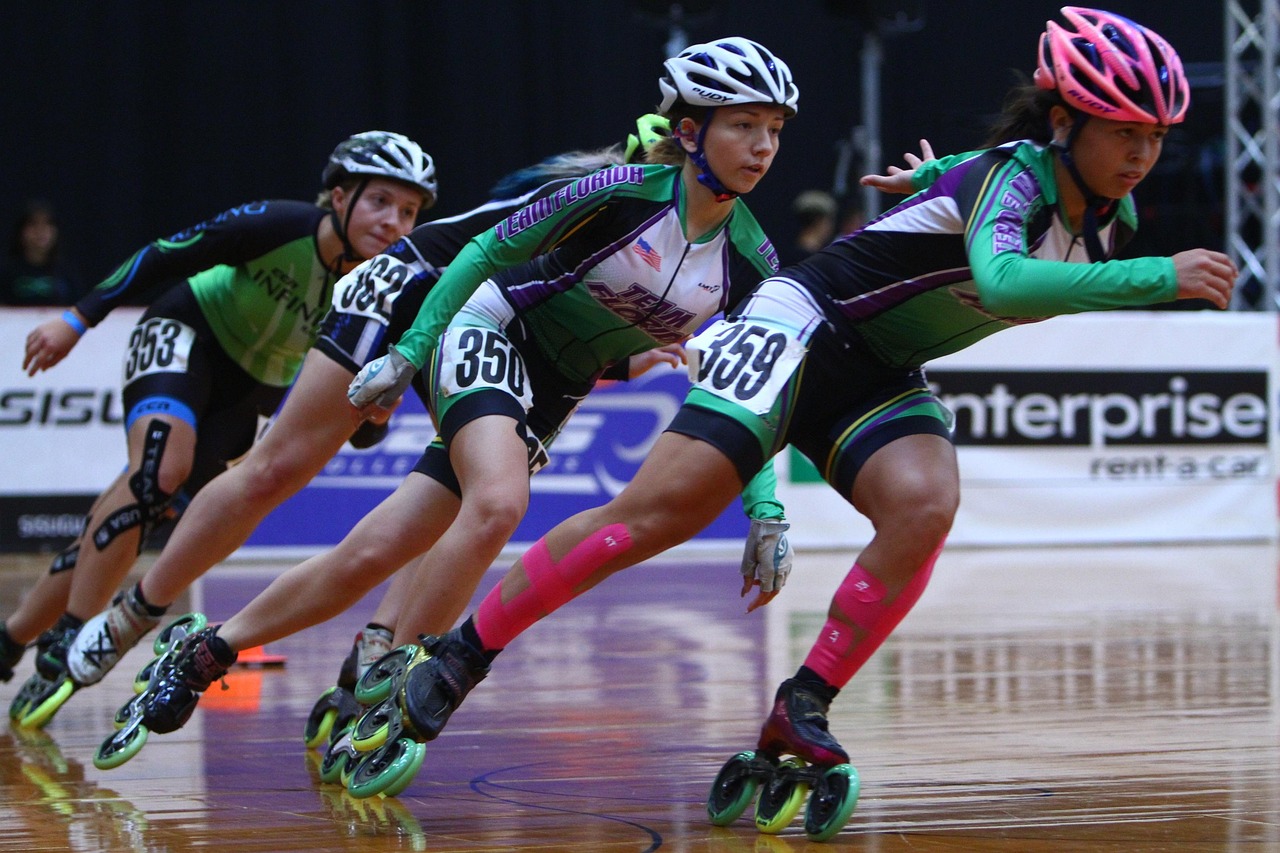
Agility and speed are crucial aspects of inline skating, elevating your performance to a whole new level. Incorporating specific drilling techniques into your routine can dramatically improve these attributes. Start by integrating slalom drills, where you maneuver through cones or obstacles to enhance your agility. This not only elevates your foot speed but also teaches you control when navigating turns. Additionally, practice sprints over short distances to develop explosive speed; try various distances to challenge yourself further. Implementing figure-eight drills can boost lateral agility; weave between two markers while maintaining speed and precision. As you become proficient, increase the intensity and duration of these drills to accommodate your growth. Remember to focus on your form while performing agility drills; maintaining alignment and posture is critical to prevent injuries. Another aspect of speed is to work on a polished skating stride—long strides increase efficiency. Combine acceleration drills, working on transitions from slow skating to fast, to improve your start. The blend of agility and speed when perfected will contribute to your overall capacity as an inline skater, facilitating successful participation in races and competitions.
Participating in group skating sessions can help to enhance your inline skating skills while cultivating a sense of camaraderie. Training in a group provides motivation, accountability, and allows for countless opportunities to learn from experienced skaters. Engage in group drills, where you can practice and refine techniques together. This collective training atmosphere not only boosts individual skills but also fosters a supportive community that encourages progressive improvement. Observing fellow skaters can provide insights into different techniques and styles that you could incorporate into your method. Additionally, discussing strategies and goals while skating together strengthens your determination. Group workouts are an excellent way to challenge yourself when it comes to endurance and drills. You can structure race simulations or challenge one another to improve times. It is essential to keep open communication while participating in group sessions—this builds rapport and promotes a friendly competitive spirit. Always remember the importance of fun during group activities; enjoying the process of improvement will enhance your overall experience. By fostering connections with other skaters, you can significantly boost your inline skating journey, creating lasting friendships and shared accomplishments.
Conclusion: Elevating Your Inline Skating Skills
To conclude, incorporating varied skating drills into your inline skating training regimen can significantly elevate your skills and fitness. Stay committed to a structured program that emphasizes balance, strength, agility, and speed. By dedicating time to drills tailored specifically toward these essential components, you can experience enhanced performance and an improved overall experience on your skates. It is also crucial to assess your progress periodically and adjust your training regimen as needed. Celebrate small victories and aim to challenge yourself regularly. Whether you join a local inline skating group or commit to solo practices, engaging wholeheartedly will magnify your results. Remember to prioritize safety while training, ensuring you wear proper protective gear and skate in suitable environments. Additionally, a balanced diet and sufficient rest will promote recovery and endurance, ensuring sustainable progress. The experience of inline skating transcends the technical skills; it offers a sense of freedom and fulfillment. Embrace the challenges, and always remain curious about the various techniques available. With dedication, enthusiasm, and practice, you’ll continue to become a more proficient and confident inline skater!