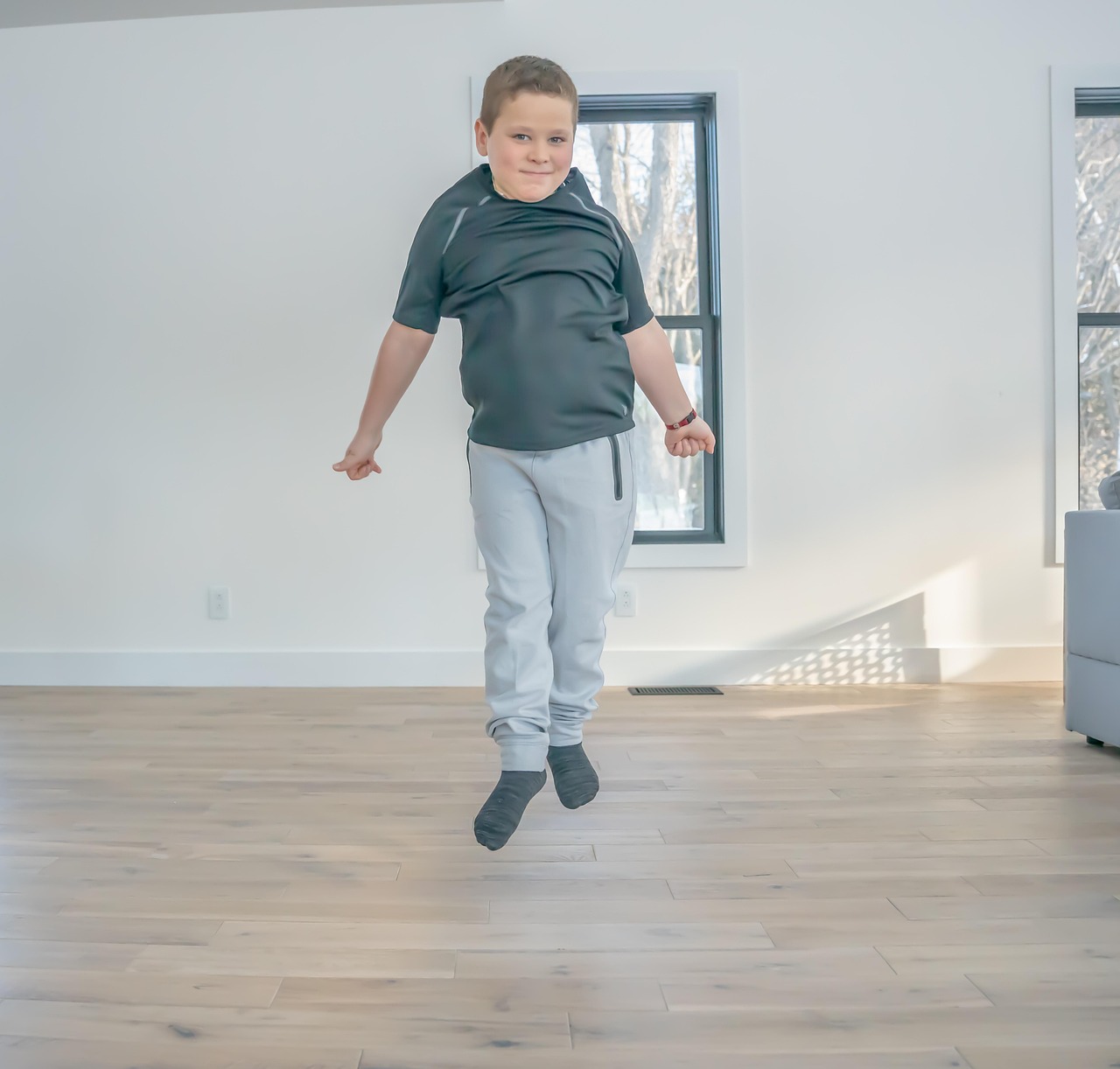

The Future of Kids’ Fitness Wear: Trends to Watch
The evolution of kids’ fitness wear is accelerating at an unprecedented pace, reflecting the growing emphasis on health and wellness in children’s lives. Parents are increasingly aware of the importance of encouraging fitness activities among their kids, which makes appropriate clothing essential. Durable materials designed specifically for energetic play, combined with fashion-forward aesthetics, offer kids an empowering choice in athletic apparel. The industry is responding with vibrant designs that incorporate fun patterns and colors to engage young users. Additionally, brands are recognizing that kids prefer attire that mirrors adult styles, blending trendy options with functionality. Another significant trend is the integration of sustainable materials into athletic wear for kids, as eco-conscious choices become a dominant factor. Organic cotton, recycled plastics, and other green materials are paving the way in manufacturing processes, and parents appreciate these initiatives. Furthermore, advancements in fabric technology mean that garments not only look good but are also moisture-wicking, flexible, and breathable, ensuring that kids can move freely without discomfort. Therefore, we can expect a diverse range of comfortable, stylish, and sustainable options for kids in fitness wear on the horizon.
Comfort Meets Style in Kids’ Fitness Wear
As childhood activities evolve, so does the need for comfort and style in kids’ fitness wear that supports their active lifestyles. Parents now prioritize not only the functionality of workout clothes but also their appeal to young individuals. Comfortable fabrics are essential, and many companies focus on materials that allow for flexibility and ease of movement. This is crucial for sports, dance, and everyday physical activities where kids are constantly on the go. Moreover, the trend of mix-and-match fitness wear allows kids to express their unique personalities while enjoying their time exercising. Items like leggings, shorts, and moisture-wicking tees are designed to coordinate seamlessly, fostering creativity in how kids dress. Colorful patterns, favorite character motifs, and bright hues can also enhance the appeal of fitness wear, encouraging children to participate in sports and fitness generally. Additionally, features like adjustable waistbands and tag-free labels can significantly enhance comfort, catering to the busy lives kids lead. The blend of style and function is vital, as engaging designs can positively impact a child’s motivation to stay active and lead a healthy lifestyle, fostering lifelong habits.
Moreover, technological advancements are transforming kids’ fitness wear in numerous innovative ways, paving the path for a smarter and more connected future. For instance, some brands have already introduced wearable fitness trackers that can be integrated into specialized clothing. These devices allow parents and children to monitor activities and health metrics, like heart rate and calories burned, right from the garment. This tech-driven approach provides insights that were previously available only through standalone devices. In addition, UV protection is becoming a common feature in kids’ athletic wear, addressing the need for sun safety during outdoor activities. The incorporation of temperature-regulating fabrics is also trending, which can help in managing body temperature during strenuous activities. Furthermore, glow-in-the-dark elements are being used for safety during evening play or sports, enhancing visibility. These innovative developments ensure that fitness wear is not only practical but also meets contemporary kids’ needs, understanding their health and safety. As awareness of health dynamics increases, the market will continue to see kids’ sportswear integrating cutting-edge technologies and advanced materials that will influence the way children experience physical activities.
Sustainable Fabrics: The Ethical Choice
As environmental concerns gain significance, sustainable fabrics are becoming a focal point in kids’ fitness wear, influencing consumer choices and brand strategies alike. Parents are increasingly seeking out eco-friendly options when making purchases for their children, leading brands to excel in integrating sustainable practices into their production lines. Materials such as organic cotton, hemp, and recycled polyester are gaining traction for their minimal environmental impact. This shift towards sustainability reflects a broader societal movement toward conscious consumption, as families become more aware of the effects of their choices on the planet. Besides reducing ecological footprints, these fabrics often provide superior comfort features, which is attractive to young active users. Companies adopting these trends contribute positively to brand loyalty, aligning with parents’ values of sustainability. Additionally, educational campaigns by brands about the material origins and their environmental benefits empower kids to understand the implications of their clothing choices. Awareness of sustainability, coupled with trendy designs, creates a strong initiative for supporting a healthier planet while pursuing active lifestyles. As this trend continues, we anticipate a more comprehensive shift in the industry as more brands commit to sustainable practices, engaging young consumers in responsible fashion.
The incorporation of technology in kids’ fitness wear not only enhances functionality but also influences children’s fitness experiences. Many products are designed with interactive features that promote engagement and motivation during physical activities. For example, some brands incorporate gamification elements into their apparel, allowing kids to earn rewards during workouts through integrated apps, making exercise feel like a game. This strategy builds excitement around physical fitness for children, transforming their view of workouts into enjoyable challenges rather than mere chores. Simultaneously, augmented reality experiences tied to fitness wear can encourage outdoor play as kids interact with digital environments while out in the real world. Such developments in kids’ fitness wear signify a paradigm shift, placing technology at the forefront of engaging children and nurturing habitual fitness. Parents can further track their children’s physical activities and motivate them to meet their fitness goals alongside trendy apparel choices. This evolution of kid-centric fitness wear underscores the importance of innovation while centering on the fun and dynamic aspects of staying active. As we witness further exploration into technology, the future looks bright for developing unique and interactive solutions for young fitness enthusiasts.
The Role of Influencer Marketing in Kids’ Fitness Wear
Influencer marketing is vital in shaping the trends and popularity of kids’ fitness wear. As children’s fashion and fitness realms grow, partnerships between brands and social media influencers have become increasingly essential in reaching compelling audiences. Influencers resonate deeply with young consumers, as they often see them as relatable figures whose endorsement makes specific products more desirable. Parents, too, are influenced by these personalities who align fitness wear with healthy living. Campaigns driven by influencers showcase active lifestyles through engaging content, highlighting the functional and trendy aspects of athletic apparel. Furthermore, user-generated content and influencer-led challenges encourage kids to participate in fitness, crafting a community around fitness movements. Many brands encourage kids to share their athletic experiences wearing the latest gym wear, creating a sense of belonging among peers. The interactive nature of social media, combined with effective marketing strategies, makes influencer partnerships a significant tool in promoting fitness wear for children. Therefore, as brands continue to engage influencers in campaigns, understanding how to connect with young consumers will play a crucial role in driving forward the future of kids’ fitness apparel and establishing lasting trends.
In conclusion, the future of kids’ fitness wear appears promising as various trends emerge. As sustainability, comfort, technology integration, and influencer marketing shape the industry, children’s athletic clothing will evolve to better suit their needs while appealing to parents. Companies will continue focusing on creating stylish designs that also promote health and environmental responsibility. The vibrant fashion choices will cater to kids who want both functionality and aesthetics, encouraging them to embrace active lifestyles. Additionally, brands must recognize the necessity of prioritizing kid-friendly designs that account for growing bodies and high-energy demands. By embracing innovative materials and techniques, the fitness wear industry can inspire the next generation to maintain active lives while considering their environmental impact. Engaging marketing strategies threaded throughout social media will empower children to become advocates for healthy habits through their clothing. Overall, as trends develop, a fresh wave of exciting fitness wear options for kids promises to enrich their experiences while encouraging them to stay active, healthy, and stylish. The industry into which kids’ fitness wear is heading is innovative, supportive, and increasingly conscientious about its wider implications.
As the demand for fitness wear for kids continues to grow, it is important to focus on the balance between durability, style, and functionality. Kids need clothing that withstands rigorous activities, and manufacturers are responding by developing garments that are not only visually appealing but also offer longevity. This trend recognizes that kids lead an active lifestyle, and their clothing must support various physical activities without compromising on quality. The push for durable fitness wear aligns with contemporary values around sustainability, as longer-lasting clothing reduces waste. Moreover, investments in durable, eco-friendly materials serve to lessen the industry’s environmental footprint. This emphasis on resilience enhances brand reputation, making it essential for businesses to continuously innovate their offerings, keeping in mind the dynamic needs of the youth market. Parents, concerned about both quality and fashion, increasingly seek products that combine the best of both worlds. The future landscape of kids’ fitness wear is evolving similarly toward solutions that captivate younger audiences while simultaneously ensuring high standards in material quality and ethical production practices. Therefore, by keeping durability front and center, brands will empower children to enjoy active playtime while respecting their environmental responsibilities.