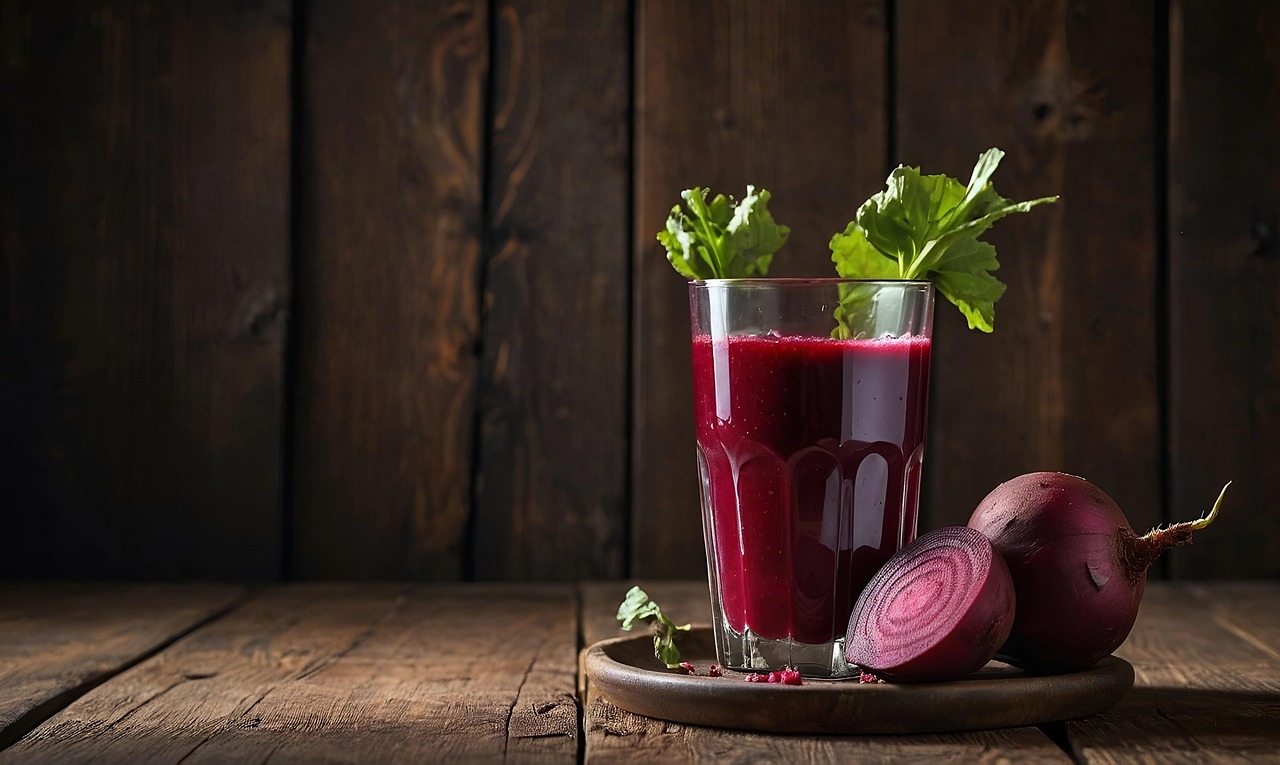

Using Beetroot Juice to Enhance High Altitude Performance
High altitude training presents unique challenges for athletes due to the reduced oxygen availability. In this environment, athletes often experience decreased physical performance and increased fatigue. As a result, finding nutritional strategies that help counteract these effects is crucial. Beetroot juice has emerged as one of the most studied and effective solutions for enhancing athletic performance at high altitudes. The primary active ingredient in beetroot juice is nitrates, which can help improve blood flow, enhance exercise performance, and ultimately optimize endurance levels. Additionally, beetroot juice is rich in antioxidants, helping to combat oxidative stress that often accompanies intense physical training at altitude. Athletes taking beetroot juice regularly often report improved stamina and recovery times, encouraging more consistent training regimens. Research suggests that consumption of beetroot juice prior to exercise can lead to better use of oxygen during aerobic activities, ultimately improving athletic output. Therefore, incorporating beetroot juice into an athlete’s diet may provide a significant edge in performance and overall well-being during high altitude training.
When considering beetroot juice as part of a nutrition plan, timing and dosage become key factors. It is generally recommended to consume beetroot juice approximately two to three hours before engaging in high-intensity training sessions or competitions. This timing allows the nitrates to convert to nitric oxide in the body, leading to increased vasodilation and improved blood flow. Dosages typically range from 500 ml to 1000 ml per day, depending on the individual’s weight, training intensity, and goals. The natural sugars found in beetroot juice can also provide a quick source of energy, crucial for athletes training at high altitude. However, it is vital to monitor your body’s response to beetroot juice consumption, especially at high altitudes, as some individuals may experience gastrointestinal discomfort or other side effects. Therefore, it is wise for athletes to initially incorporate small amounts into their diet, gradually increasing as they gauge their tolerance. As with any supplement, consulting with a nutritionist or sports dietitian can provide personalized dosing tailored to specific training regimes.
Physiological Benefits of Beetroot Juice
Beetroot juice offers several physiological benefits that are particularly advantageous for high altitude athletes. One key benefit is its ability to enhance nitric oxide levels, which helps improve oxygen utilization and delivery throughout the body. Enhanced blood flow contributes to more efficient nutrient and oxygen transport to working muscles, thereby improving endurance and delaying fatigue. Additionally, nitric oxide plays a critical role in reducing blood pressure, which can be particularly beneficial during intense exertion at high altitudes where the body is under additional stress. Furthermore, the antioxidants found in beetroot juice, such as vitamin C and betalains, support immune function and reduce inflammation. This is essential for athletes exposed to extreme environmental conditions, as they tend to have weakened immune responses. Beetroot juice also supports muscle recovery, allowing athletes to train harder and more often. Given these benefits, many athletes and coaches are incorporating beetroot juice into their pre-training and competition routines to optimize performance and resilience in demanding high-altitude environments.
Another critical aspect of beetroot juice is its ability to enhance endurance performance during sustained efforts. Studies have shown that athletes consuming beetroot juice can experience an improvement in their time-to-exhaustion during prolonged physical activities. This is particularly important for endurance athletes competing in sports like mountain running, cycling, and cross-country skiing, where oxygen availability is limited. The increases in muscular efficiency and stamina can lead to significantly improved race times and overall performance. For competitive athletes, this translates to a competitive edge over their opponents who may not be utilizing dietary nitrates effectively. Moreover, beetroot juice can also aid in post-exercise recovery by reducing muscle soreness and improving recovery times. This allows athletes to maintain a higher training volume and intensity while minimizing the risk of injury or overtraining. The cumulative effect of these benefits can lead to enhanced physical performance and better positioning in competitive events, making beetroot juice a valuable addition to an athlete’s nutritional toolkit.
Ways to Incorporate Beetroot Juice in Your Diet
Incorporating beetroot juice into your diet can be both easy and enjoyable. One popular method is to consume beetroot juice in its pure form, with many commercially available options accessible in health stores. However, athletes can also make fresh beetroot juice at home using a juicer or blender. Mixing beetroot juice with other juices, such as apple or carrot, can enhance flavor while still providing the necessary health benefits. Alternatively, athletes can include beetroot in their meals by preparing roasted or steamed beets as part of a balanced diet. Adding grated or pickled beets to salads can also be a delicious option. For those who prefer a quick energy boost, beetroot powder can be added to smoothies or protein shakes, offering similar benefits in a more concentrated form. Additionally, consuming beetroot-based snacks, such as energy bars, can be an excellent way to integrate this nutritious ingredient into daily routines. Experimenting with different recipes and preparations can help find what works best for you and your training objectives.
While the benefits of beetroot juice are evident, it’s essential to remember that it is not a magic solution for performance enhancement. Athletes should maintain a well-rounded diet rich in nutrients to support their high altitude training adequately. Hydration is also crucial, particularly at altitude, where dehydration can significantly impact performance. Ensuring sufficient fluid intake, along with electrolytes, will complement the benefits of beetroot juice and optimize overall performance. Additionally, it is advisable to monitor personal responses to supplementation, as effects can vary widely among individuals. Pairing beetroot juice with other dietary strategies, such as consuming carbohydrates before exercise, can lead to synergetic effects on performance. Ultimately, a multi-faceted approach combining beetroot juice with a balanced diet, hydration, and proper training techniques can help athletes maximize their performance at high altitudes. Engaging with sports nutrition professionals can provide tailored advice and guidance to enhance athletic success, particularly for those competing in high-stakes environments.
Conclusion and Future Directions
In conclusion, beetroot juice offers significant potential as a nutritional supplement for athletes training at high altitudes. Its ability to enhance nitric oxide levels, improve oxygen utilization, and boost endurance performance makes it an appealing option for athletes looking to elevate their training and competitive prowess. As research continues, the understanding of how dietary nitrates and beetroot juice impact performance is likely to expand, leading to more tailored approaches in sports nutrition. Athletes should remain open to incorporating beetroot juice into their diets while continuing to stay informed about new findings and recommendations. The growing popularity of beetroot juice signifies a shift towards maximizing performance through nutrition, reflecting an important trend in the sports performance community. Future studies may also explore the combination of beetroot juice with other supplements to further enhance athletic endurance and recovery at high altitudes. As more athletes adopt these evidence-based strategies, the role of nutrition will undoubtedly become even more integral to achieving peak performance, particularly in challenging environments.
Ultimately, the key takeaway is to experiment with beetroot juice and observe its effects on your training performance and recovery. With careful planning and awareness of individual needs, beetroot juice can become a valuable ally for athletes facing the rigors of high altitude conditions. By maintaining a holistic perspective on nutrition, rest, and training strategies, athletes can harness the benefits of beetroot juice to achieve their desired outcomes. Embracing established scientific recommendations while adapting to personal preferences will lead to better results and greater enjoyment during training. As beetroot continues to grow in popularity among athletes and health enthusiasts, the expected benefits from its use may become more well-known. Staying proactive in learning about nutrition and performance will provide an edge in modern competitive sports, and beetroot juice will likely keep its place as a staple in athlete diets worldwide.