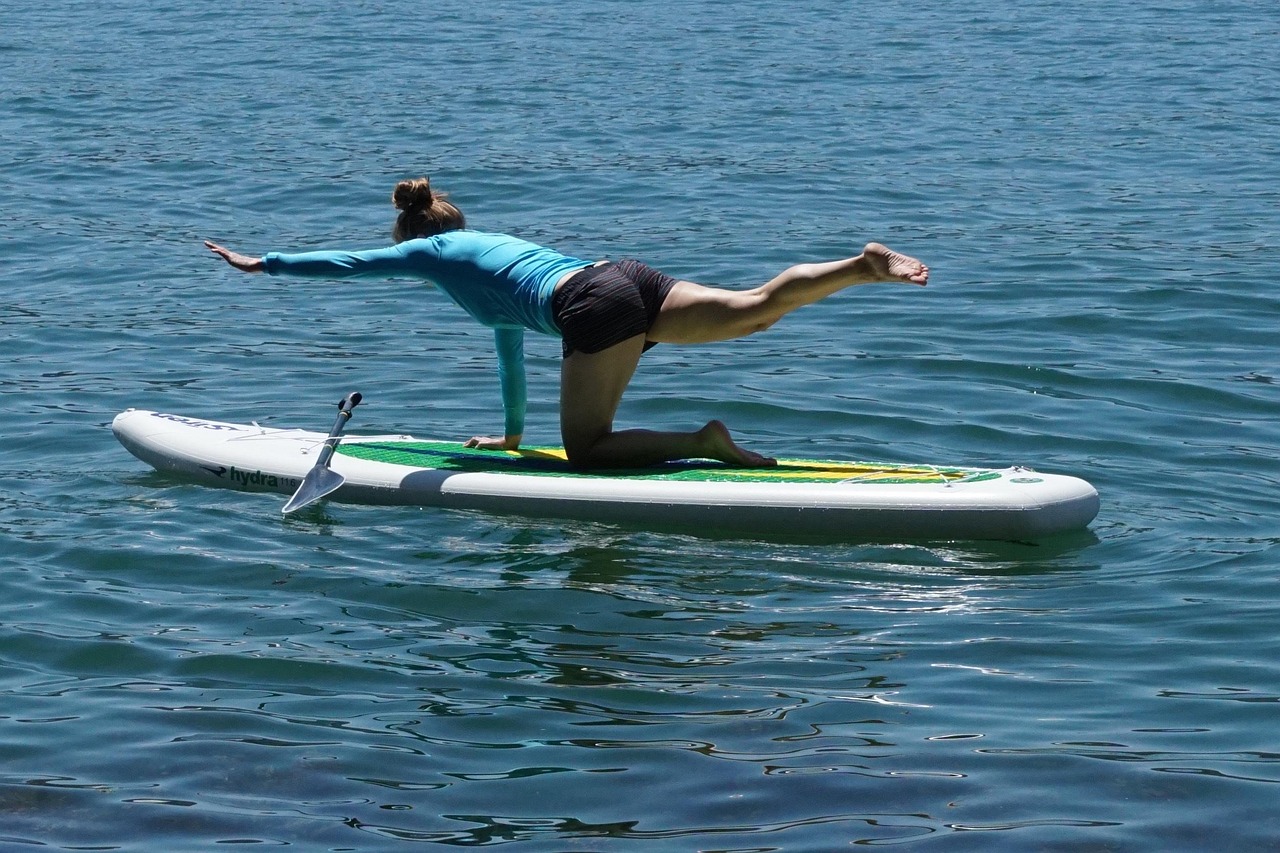

Group Balance Board Classes for Seniors: Fun and Effective
Group balance board classes for seniors are an innovative way to enhance stability, coordination, and balance in a supportive setting. These classes focus on using balance boards and tools specifically designed for older adults, allowing participants to engage in a safe, low-impact workout. Through guided instruction, seniors improve their physical capabilities while enjoying social interaction with their peers. The rhythmic motions involved foster an engaging environment that promotes both fun and fitness. Moreover, these sessions can be tailored to address various skill levels, ensuring everyone can participate regardless of their initial fitness level. Fitness trainers are trained to accommodate specific needs related to age and mobility. Participants will learn techniques to develop their core strength and better coordination within structured exercises. It’s a delightful way to meet new friends, share experiences, and cheer for one another throughout the classes. As seniors progress, they often find increased confidence and independence in their daily activities. An essential part of senior fitness, group balance board classes offer an enjoyable and efficient method to improve overall health.
Benefits of Balance Board Training
Balance board training specifically caters to the unique physiological needs of seniors, harnessing several key benefits that contribute to overall wellness. Firstly, using a balance board can significantly improve core strength, which is crucial for maintaining stability and preventing falls. Enhanced muscle engagement during training translates to better mobility and confidence. Additionally, these classes boost proprioception, the body’s ability to sense its position in space. Improved proprioception directly correlates to better everyday functions, allowing seniors to perform daily tasks with greater ease. Mental engagement is another benefit, as concentration during balance exercises enhances cognitive functions. Together, these physical and mental benefits contribute to an improved quality of life, reducing the risks of injuries related to falls. When seniors incorporate balance board training into their exercise routines, they develop better coordination. Furthermore, group classes create accountability among participants, encouraging regular attendance and establishing a sense of commitment. Such social aspects are essential for combating loneliness, a common challenge faced by older adults. Promoting community interaction along with physical fitness allows seniors to thrive. Investing in balance board training can lead to happier, healthier seniors.
While balance board classes are fun, they are also structured to promote safety and well-being. Trainers prioritize a safe environment, equipping class members with knowledge about their limits and safety practices. Before commencing exercises on the balance boards, instructors perform assessments to determine each participant’s ability level. Furthermore, classes focus on teaching seniors how to adjust their posture and alignment, ensuring they consistently perform exercises safely. Specific techniques are introduced to minimize the risk of injury while maximizing engagement. Participants learn to listen to their bodies and communicate any discomfort or issues. Personalized approaches, through modifications or assisted practices, are fundamental to ensuring every senior feels comfortable and included. Those who might have initial reservations about their capabilities often discover new abilities through supportive encouragement. Incorporating a variety of equipment, such as resistance bands and small weights can also enhance balance board routines, offering diversity in their workouts. Creativity in workouts not only keeps sessions enjoyable but also ensures seniors are challenged according to their fitness levels. Instructors adapt exercises accordingly to keep participants motivated and active.
Incorporating Balance Boards in Physical Therapy
Balance boards have gained considerable recognition in physical therapy settings for seniors, highlighting their versatility as therapeutic tools. Physical therapists utilize balance boards to rehabilitate patients recovering from injuries or surgeries, making them an effective aid in the recovery process. These boards assist in regaining strength and balance while reducing the risk of future injuries. Through therapy sessions, seniors can safely practice specific movements on balance boards that mimic everyday tasks, enhancing their functional recovery. The practice fosters physical rehabilitation by providing a stimulating exercise that engages multiple muscle groups simultaneously. Working alongside trained professionals, seniors receive specialized attention that enhances their recovery experience. Moreover, integrating balance boards into therapy can increase a patient’s motivation by making rehabilitation feel less strenuous. As patients experience incremental improvements, they are encouraged to continue their efforts. The social aspect of group therapy is also beneficial in these scenarios, allowing for shared experiences and collective progress through rehabilitation processes. As communities recognize the advantages of balance board use among seniors, the increasing incorporation into physical therapy sessions is seen as a burgeoning trend for healthier aging.
Senior fitness is greatly enriched by the flexibility and adaptability of balance boards, allowing numerous classes to tailor workouts for every individual. Varied exercise routines can be designed to focus on promoting vertical stability, enhancing lateral movements, or even improving functional movement patterns using creative tools. Changes in classes not only keep the exercises fresh but also prevent mental stagnation. Incorporating music and rhythm into sessions is another approach that makes balance workouts enjoyable and uplifting. Consistent participation not only helps seniors develop a more cohesive skill set but encourages them to challenge themselves further with new exercises. Cheers and encouragement erupt in group classes as seniors attempt new moves, creating an atmosphere filled with enthusiasm. Examples of engaging exercises include simple sways, standing on one leg, or practicing shifting weight from side to side. By communicating and sharing tips, participants foster camaraderie and motivate each other. This shared spirit of collaboration reinforces a solid exercise community, highlighting the importance of companionship in fitness journeys. By joining in these collective efforts, seniors enhance their confidence and establish a lasting commitment to their health.
Creating a Balanced Routine
Establishing a balanced fitness routine including balance board classes is important for seniors looking to maintain overall health. It is essential to integrate various forms of exercise together with balance training for best benefits, ensuring a comprehensive approach to fitness. Activities such as stretching, strength training, and cardiovascular exercises should complement balance board workouts. This well-rounded strategy not only focuses on balance but emphasizes endurance, flexibility, and strength, key elements for aging gracefully. Seniors can benefit from setting specific, realistic goals to create momentum and motivation. Regular assessments of progress in workouts can renew gratitude for accomplishments while keeping spirits high. Moreover, participating in classes at convenient times helps reinforce the commitment toward better health. Many communities and fitness centers offer interactive classes that fit within many schedules. Building a routine that is adaptable allows seniors to navigate various challenges without sacrificing their fitness. The enjoyment factor can significantly impact commitment levels; thus, adding variety should always be considered. As seniors discover effective ways to integrate different exercises into their weekly plans, they enhance their chances of maintaining strong and healthy lifestyles over time. With determination and support, seniors thrive.
Transitioning to balance board exercises can seem daunting for some seniors, but done with care, classes can provide a welcoming space. Communication between instructors and participants is crucial in managing these transitions. Safety equipment such as mats and railings can be installed in group settings, creating a protective environment where seniors feel secure while learning. Starting classes with gentle exercises and gradually progressing towards more advanced challenges are strategies used by instructors to ensure comfort levels are met. Seniors are encouraged to express their concerns at any point, reinforcing a culture of safety and mindfulness. By integrating technology within sessions, such as visual aids and tracking progress through apps, trainers can elevate the learning experience. These supplementary tools can engage participants, making the process interactive and fun. Providing educational materials and resources allows seniors to understand the numerous advantages of balance training better, particularly its impact on preventing falls. Through discussions about health goals, seniors feel empowered to take charge of their fitness journey. Over time, the focus on promoting healthy lifestyle choices can lead to profound long-term benefits, enriching their lives in ways they might not have anticipated.
Finally, community resources and ongoing support play a vital role in encouraging participation in group balance board classes. Local organizations and senior centers often facilitate classes specifically designed to cater to the needs of older adults, making access to exercise programs more seamless. Collaborating with healthcare providers ensures that information about the benefits of balance training reaches seniors effectively. Regular workshops and open days provide opportunities to introduce seniors to the various physical activities available, including balance board sessions. Encouraging family and friends to participate can enhance motivation and build a supportive network around senior fitness endeavors. Testimonials from previous participants can serve as a powerful motivator for those hesitant to join. By sharing success stories, new participants feel more inclined to try balance board classes. Creating an inclusive environment fosters a sense of belonging among seniors, making their fitness journey less isolating. As communities advocate for senior health and well-being, group balance board classes emerge as a profound tool for enhancing physical fitness and igniting friendships. The benefits extend beyond the exercise itself, enriching lives and fostering resilience in aging.