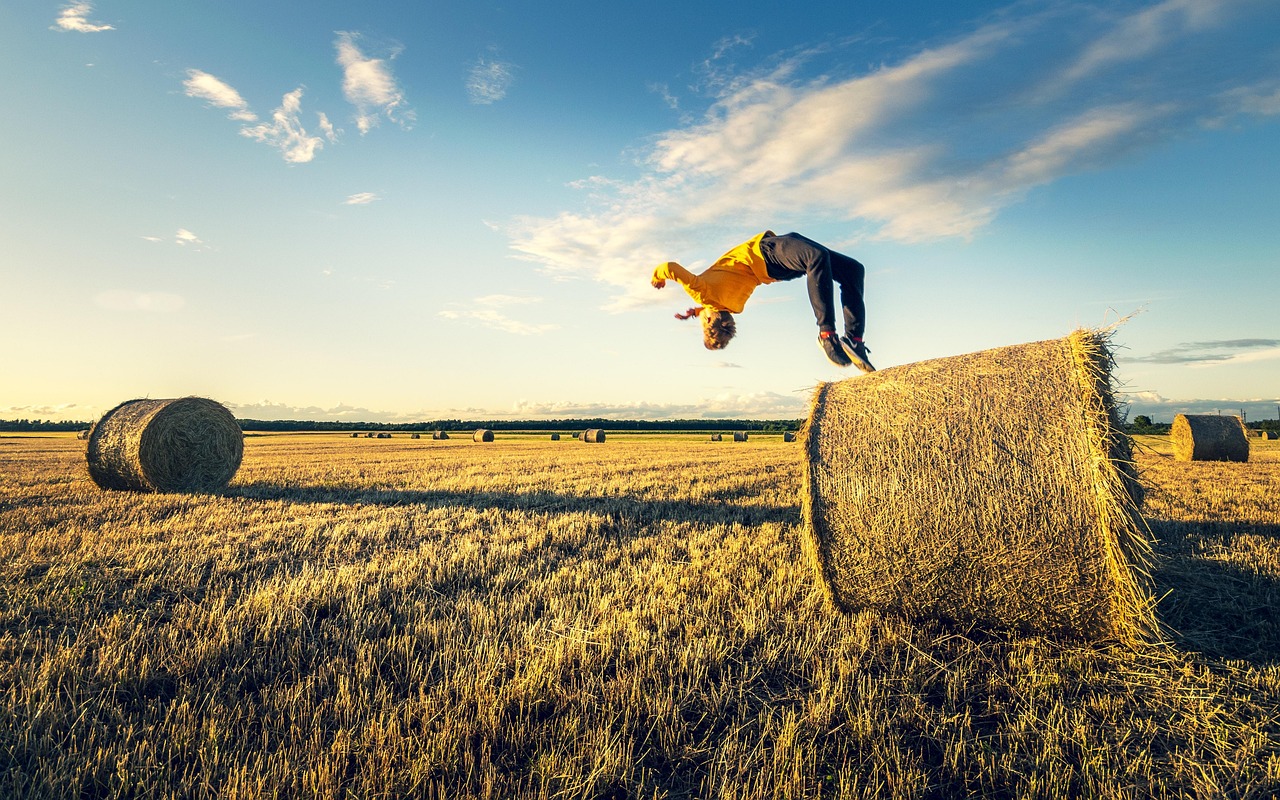

The Impact of Community Support on Parkour Skills
Engaging with a Parkour community offers numerous advantages that can dramatically enhance one’s skill set. When practitioners train together, they share tips, techniques, and insights that might not be discovered alone. These communal experiences foster a supportive environment where individuals feel encouraged to tackle daunting obstacles, helping them overcome fears related to movement. Regularly participating in community training sessions leads to the development of trust, both in the peers and in oneself. This trust allows members to push their limits without the fear of serious injury due to the presence of spotters and experienced practitioners offering guidance. The camaraderie within a Parkour group creates motivation, as everyone strives to improve collectively. In this atmosphere, beginners can receive mentorship from veterans, while seasoned athletes can refine their abilities by teaching those who are new to the discipline. Overall, training with a community encourages learning, sharing experiences, and fostering passion for the art of Parkour, which ultimately leads to improvement and enjoyment. Furthermore, many communities organize workshops and events that cater to diverse skill levels, ensuring that every participant finds value in the collective experience.
Building Confidence Through Community
Confidence is a critical factor in mastering any athletic pursuit, and Parkour is no exception. Training within a community significantly boosts confidence levels among practitioners. When individuals train beside others who motivate and support their efforts, they become less likely to hesitate when attempting new movements or overcoming obstacles. Moreover, seeing peers accomplish feats they once deemed impossible inspires a belief that they, too, can achieve similar goals. Community involvement provides an opportunity for feedback and constructive criticism, which helps practitioners pinpoint areas for improvement. In addition, celebrating small successes within a group sets the groundwork for long-term motivation and enthusiasm. Many practitioners find that as they witness fellow members achieve milestones, their own drive intensifies. This positive reinforcement creates a cycle of encouragement that fuels progress. As practitioners continue to challenge themselves, their physical limitations diminish, and their confidence flourishes. Additionally, many parkour communities host challenges or competitions that encourage members to showcase their progress in a fun and supportive environment. Through these communal activities, participants learn to embrace their abilities and nurture a healthy self-image, essential for long-term growth in Parkour.
Another pivotal aspect of Parkour communities is the sharing of knowledge and skills between members. Each practitioner has distinct strengths and experiences that enrich the learning environment. This diversity allows for a more expansive understanding of techniques, as well as unique problem-solving strategies when faced with obstacles. Individuals often find new approaches to familiar moves by observing different training styles and interpretations of Parkour. This exchange of ideas encourages creativity, as practitioners seek ways to innovate and improve their skill sets. Besides, group training offers opportunities to collaborate on discovering effective drills that target specific challenges, whether they’re related to strength, flexibility, or technique. The ability to learn from one another fosters an inclusive atmosphere that celebrates progress. Additionally, those who teach techniques they excel at gain a deeper understanding of those moves, reinforcing their knowledge. Community training sessions often incorporate games or challenges, making the learning process enjoyable and less intimidating. These fun elements allow for relaxed skill acquisition, enabling members to build relationships while honing their abilities. Thus, the combined expertise of the community accelerates growth and evolution in each member’s Parkour journey.
Moreover, parkour communities often emphasize safety practices, which is vital in a discipline with inherent risks. When individuals train in groups, they instill a shared sense of responsibility toward one another. This communal focus on safety ensures that students are always aware of potential risks and how to mitigate them effectively. Experienced members often share safety tips, such as proper landing techniques or how to fall correctly, to prevent injuries. Additionally, spotters are present to assist with more challenging moves, creating a layered system of protection. Most frequently, communities exemplify successful Parkour practices through demonstrations and workshops that prioritize both skill enhancement and safety. Knowing that others have their back fosters a more adventurous mindset, allowing participants to explore their limits without succumbing to fear. As trust develops, members become more likely to try difficult maneuvers, fully aware that support is always within reach. Over time, individuals learn the importance of assessing their environment, recognizing hazards, and making safety-conscious decisions. Consequently, the collaboration involved in Parkour communities amplifies safety awareness, ultimately improving both individual and group performance. This awareness fosters a culture of responsibility in the parkour practice.
Creating Lasting Bonds in Parkour
Beyond just improving skills, Parkour communities facilitate the creation of lasting personal connections. The shared struggles and triumphs of training sessions foster friendships that often extend well beyond the sport itself. Social interactions during practice allow individuals to connect on deeper levels, forming bonds through mutual interests and experiences, enhancing the overall Parkour journey. As friendships grow, communities often engage in group outings, events, and social gatherings outside of training. These activities cultivate a sense of belonging that resonates strongly within participants. Through shared experiences, training partners often become lifelong friends, supporting each other in not only their Parkour endeavors but also their personal lives. Furthermore, the social aspect of Parkour provides an excellent support system for individuals facing challenges, whether within travel, motivation, or emotional well-being. When one struggles, they can rely on their community for assistance, enabling growth on and off the training grounds. These powerful connections help create environments where individuals feel safe expressing themselves. Therefore, the emotional benefits of being part of a parkour community play an equal, if not greater, role in personal development than technical skills development.
In summary, training with Parkour communities greatly impacts an individual’s progression in the sport. The advantages of engaging with fellow practitioners are manifold, reinforcing development through motivation, knowledge sharing, and safety awareness. When members come together, the collective energy fosters an environment ripe for creativity and innovation, both in skill acquisition and in the social sphere of the community. Individuals who participate in community training continuously report increased confidence levels, strengthened bonds with peers, and enhanced overall enjoyment of the practice. Through embracing diverse perspectives, members in a community nourish creativity and build problem-solving abilities that might remain untapped in isolation. Likewise, the emphasis on safety ensures that training is proactive and responsible. By cultivating relationships within the Parkour landscape, individuals benefit from emotional support that uplifts their journey through challenges. Thus, Parkour communities do not merely serve as training grounds; they transform into essential support networks that encourage holistic development. Ultimately, those who embrace this collaborative spirit are likely to discover newfound prowess and passion for Parkour, allowing them to excel and enjoy the art of movement like never before.
To strengthen the impact of community support further, many Parkour groups actively participate in local events and outreach programs. Giving back to the community not only enhances skills but also fosters a sense of shared purpose. Outreach initiatives might include demonstrating Parkour in schools or offering free training sessions for underprivileged youth, highlighting the discipline’s positive aspects. Such efforts encourage people to appreciate Parkour not merely as a sport but as a valuable means of self-expression and empowerment. Watching local shows or participating in competitions allows members to engage with different audiences and showcase their skills, thus enhancing their confidence. Additionally, many communities prioritize individuals’ development by organizing mentorship programs and collaborative training events. These initiatives enable experienced practitioners to guide those who are newer to the sport, further strengthening connections within the community. By focusing on inclusiveness, teamwork fosters solid relationships that promote growth across all skill levels. Ultimately, engaging in these activities cultivates a deeper sense of belonging and reinforces the idea that Parkour is more than just an athletic pursuit; it is a commitment to personal development and collective growth.
In conclusion, the influence of Parkour communities extends well beyond skill enhancement. The relationships formed within these interactive environments create significant advantages for individual practitioners. Through shared experiences, learners bond over successes, failures, and the grit required to master Parkour. Community training allows individuals to embrace their ambitions collectively, ultimately leading them to consistently push past their limits. Confidence grows from support and challenge alike, producing a robust culture that values safety, creativity, and personal achievement. Consequently, those who partaken in these communities observe holistic growth, encouraging emotional and athletic development. The camaraderie established in these settings helps alleviate self-doubt, replacing it with belief in one’s ability to progress. Social connections deepen as friendships form through shared goals, promoting both personal and team-oriented growth. By participating in events that contribute back to the community, practitioners foster relationships that extend far beyond training exercises. Ultimately, the Parkour journey is enriched significantly through community engagement that promotes lifelong learning and support. As participants embrace this connection, they discover that their skills, friendships, and personal identities become intrinsically linked to their experiences in Parkour.