
Hydration Challenges in Elderly Athletes and How to Overcome Them
As individuals age, maintaining adequate hydration becomes a significant challenge, particularly for elderly athletes. Factors such as decreased thirst sensation and physiological changes in kidney function contribute to a subtle risk of dehydration in this demographic. Additionally, elderly athletes may not recognize the early signs of dehydration, leaving them susceptible to performance declines. Therefore, it is crucial to understand the hydration needs of older adults engaged in athletic activities. Encouraging regular fluid intake, regardless of thirst, can help mitigate the risks associated with dehydration. Furthermore, using thirst stimulus reminders can prove beneficial for seniors who forget to drink fluids during exercise. Monitoring fluid losses through sweat and leveraging electrolyte-rich beverages during intense workouts can also aid in hydration management. Overall, understanding these challenges equips elderly athletes and their trainers to better address hydration, ultimately improving both performance and health outcomes in this age group.
Hydration needs vary significantly among different age groups, especially as the body ages. For elderly athletes, understanding their unique hydration requirements is vital for optimal performance. Due to decreased muscle mass and changes in body composition, older adults have a lower total body water percentage. This shift increases their susceptibility to dehydration, even during mild exercise. To combat these risks, establishing a structured hydration plan is essential. Encouraging elderly athletes to drink water before, during, and after exercise can significantly impact performance and recovery. Furthermore, incorporating fluid intake into traditional training regimens can help reinforce good hydration habits. Regular education on the benefits of staying hydrated will also empower elderly athletes to take control of their hydration strategies. They must be educated about the signs and symptoms of dehydration, so they can act quickly. Additional hydration aids, such as electrolyte-enhanced drinks, can further support hydration balance. Both athletes and coaches should collaborate in developing hydration practices to ensure longevity and continued enjoyment in sports among older adults.
Understanding the Importance of Electrolytes
Electrolytes play a crucial role in maintaining fluid balance, particularly for elderly athletes who may be at risk of dehydration during rigorous training. Sodium, potassium, and magnesium are essential electrolytes that aid muscle function and hydration. As individuals age, the body’s ability to retain these electrolytes may diminish, impacting athletic performance and recovery. Thus, incorporating electrolyte-rich foods or drinks can greatly enhance hydration strategies. Older athletes should consider consuming natural sources like bananas, spinach, or coconut water to replenish lost minerals. Additionally, commercial sports drinks formulated specifically for seniors can provide a convenient option for restoring electrolytes during or after exercise. Athletes should be mindful to choose options low in added sugars and artificial ingredients. Monitoring sweat losses during intense workouts allows athletes to adjust their fluid and electrolyte intake accordingly. By understanding the importance of electrolytes, elderly athletes can make informed choices and optimize their hydration strategies to support activity levels, improve recovery, and maintain overall well-being.
Weather conditions significantly influence hydration needs among elderly athletes. Hot or humid environments can increase fluid loss through sweating, raising the importance of proactive hydration practices. In contrast, colder weather presents its own set of challenges, where athletes may not perceive their thirst due to lower temperatures. Consequently, a tailored hydration plan addressing weather-related challenges is essential. Athletes should adapt their fluid intake not only to their activity level but also to the climate. For example, in warmer weather, increasing water and electrolyte consumption can help prevent dehydration and heat-related illnesses. When exercising in the cold, athletes again need to remember to drink fluids, even if they don’t feel thirsty. Planning allows elderly athletes to stay on top of their hydration game regardless of environmental factors. Education on how temperature impacts hydration helps both coaches and athletes make better decisions regarding fluid intake. This holistic approach ensures elderly athletes are well-prepared for various weather conditions, allowing them to maximize performance while reducing health risks.
The Role of Nutrition in Hydration
Nutrition plays an essential role in maintaining hydration levels for elderly athletes. Consuming foods with high water content can significantly enhance overall fluid intake. Fruits and vegetables such as watermelon, cucumbers, and oranges not only contribute to hydration but also supply valuable vitamins and minerals. Incorporating these foods into daily meals can provide both hydration and essential nutrients required for performance. Additionally, protein intake is vital for muscle repair and rehydration. Hydration-rich soups and smoothies can be excellent options for elderly athletes seeking both hydration and nourishment. Establishing a balanced diet rich in diverse nutrients supports better hydration outcomes. Coaches should emphasize the importance of nutrition alongside hydration strategies, ensuring athletes receive comprehensive support for their health and fitness goals. Regular discussions about dietary choices, fluid intake, and hydration during training sessions will foster an environment that encourages good habits. Knowing how nutrition and hydration interrelate empowers elderly athletes to make informed choices that enhance their overall well-being and athletic performance.
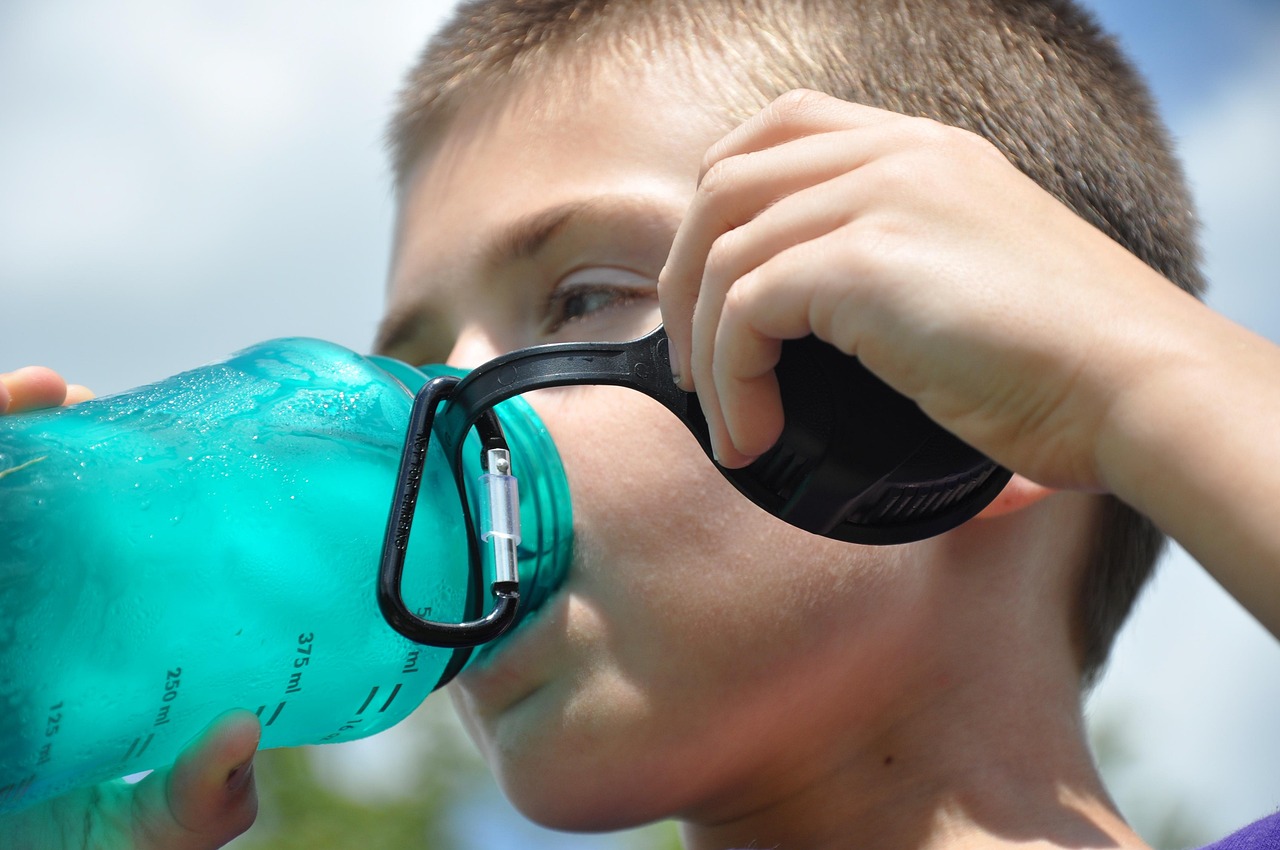
Barriers to hydration often arise from lifestyle and psychological factors that affect elderly athletes. Some individuals may have mobility issues, making frequent fluid access challenging, hindering the ability to stay properly hydrated. Additionally, cognitive decline and health-related concerns about fluid intake, such as frequent bathroom trips, may discourage adequate hydration. Addressing these barriers through practical strategies can effectively promote better hydration. For example, setting reminders to drink fluids or using containers with measurement markers can encourage regular fluid consumption. Encouraging family and caregivers to play an active role in monitoring hydration can create a supportive atmosphere for elderly athletes. Engaging in hydration-focused community events or programs can also help break down barriers. Organizations should work to raise awareness about the importance of hydration in older adults, fostering educational programs. Systems designed to simplify hydration access provide elderly athletes practical solutions to stay hydrated easily. By recognizing and addressing these barriers, elderly athletes can adopt better hydration strategies vital for their performance and health.
Monitoring Hydration Levels
Monitoring hydration levels is essential for elderly athletes, enabling them to adapt their strategies effectively. Understanding the signs of dehydration is crucial; symptoms may range from feelings of fatigue and dizziness to more severe situations, such as confusion and muscle cramps. Athletes can use various methods to check their hydration status, including observing urine color, body weight changes before and after activities, and self-assessing thirst levels. A clear, light-colored urine typically indicates adequate hydration, while darker shades signal a need for increased fluid intake. Documenting daily fluid consumption alongside physical activity can also provide insight into hydration patterns. This monitoring fosters accountability and awareness of hydration needs during training and competitions. Furthermore, working with health professionals to establish personal hydration plans ensures personalized support. Tailored strategies to individual hydration requirements lead to improved performance and reduced risks associated with dehydration. By establishing a culture of hydration awareness, elderly athletes can optimize their hydration approaches, making it an integral part of their overall health and athletic performance.
In conclusion, addressing the hydration challenges faced by elderly athletes is crucial for optimizing their performance and health. Through a comprehensive understanding of their unique hydration needs, the importance of electrolytes, and nutrition’s role, athletes are empowered to take informed action. Additionally, recognizing environmental factors and lifestyle barriers will further enhance successful hydration strategies. Encouraging regular fluid intake, monitoring hydration levels, and establishing supportive frameworks will ensure that elderly athletes can thrive in their pursuits. Collaboratively working with coaches, families, and health professionals will foster effective hydration habits within this demographic. With continuous awareness and education, elderly athletes can overcome hydration challenges, leading to improved athletic outcomes and enhanced enjoyment of their activities. As awareness grows, hydration practices can evolve, supporting seniors in maintaining healthy lifestyles and remaining active in sports. By focusing on these essential aspects of hydration, we can help create a culture where elderly athletes not only perform admirably but also prioritize their health and well-being. Emphasizing hydration will empower elderly individuals to continue participating in athletic activities throughout their lives.