
Meal Prep Hacks for Football Fitness Enthusiasts
For football players, nutrition plays a crucial role in performance and recovery. Meal prepping provides a way to ensure that athletes are properly fueled for training and competition. It involves planning and preparing meals in advance, which saves time during hectic schedules. Athletes can focus more on training without worrying about food. This article will explore key meal prep hacks tailored for football fitness enthusiasts. Incorporating easy-to-make meals allows players to maintain healthy eating habits. One essential hack is creating a balanced meal template. Include protein, complex carbohydrates, and healthy fats in every meal to ensure optimal energy levels. Lean meats, whole grains, and vegetables are great components of this template. Calculate your individual caloric and macronutrient needs to further personalize your meals. Consider batch cooking, where large quantities of food are prepared in one session, to reduce cooking time later in the week. This strategy ensures availability of quality meals. Meal prep containers are invaluable for storage. Choose BPA-free options that are microwave-safe for convenience and longevity. Stay organized with labels to identify distinct meals. Consistency is key in fueling your body efficiently for top performance.
Another critical aspect is diversifying your meals throughout the week. Repetitive meals can lead to boredom, which may deter athletes from sticking to their plans. Varying proteins and vegetables ensures a range of nutrients, preventing deficiencies. Use different cooking methods such as grilling, roasting, or steaming to keep meals interesting and flavorful. Incorporate spices and herbs to enhance taste without adding excessive calories. This helps in promoting a positive relationship with food, which is important for overall mental health. Additionally, make use of frozen ingredients for a quick fix. Frozen fruits and vegetables are picked at peak ripeness, preserving nutrients. They can be added to smoothies, stir-fries, or salads with ease. This allows for flexible meal options. Another great tip is to designate a prep day. Choose a day of the week when you dedicate time to cooking and organizing meals. This habit establishes routine and accountability, making it easier to stick to nutrition goals. Include snacks in your meal prep, too. High-protein options like Greek yogurt, nuts, or hard-boiled eggs can provide fuel during long training sessions. Utilizing these strategies optimizes nutrition without overwhelming schedules.
Staying Hydrated While Meal Prepping
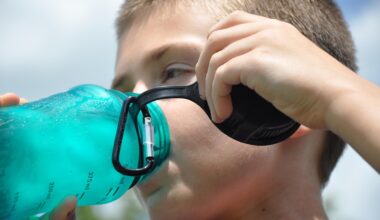
Hydration is often overlooked but is vital for football performance. While meal prepping, don’t forget to plan for hydration as well. Including hydration-focused snacks such as watermelon or cucumber can contribute positively to fluid intake. An easy hydration hack is to set reminders for water consumption throughout the day. Incorporate flavor enhancers, like lemon or mint, to encourage drinking more water. Additionally, invest in a good water bottle to track intake easily. Hydration needs may fluctuate with activity levels and weather; thus, it’s important to stay vigilant. Using hydration apps can assist in tracking daily intake, prompting athletes to drink enough water. Testing the color of your urine is another simple method; pale yellow indicates good hydration. But, plan ahead and hydrate before, during, and after workouts to optimize results. Electrolytes also play a critical role, especially in longer training sessions. Consider adding electrolyte-rich foods or drinks into your meal plan to maintain balance. Coconut water and sports drinks can be beneficial sources while also offering a refreshing taste. Ultimately, making hydration a priority alongside meal prep helps athletes maintain optimal performance on the field.
To further enhance the effectiveness of meal prepping, invest time into learning about macronutrients. Understanding proteins, fats, and carbohydrates helps in effectively creating meals tailored for different phases of training. For example, while building muscle during offseason, a higher protein intake is needed. Conversely, during cutting phases, focusing on healthy fats can be advantageous. Utilize a nutritional tracking app to simplify the process of meal and macronutrient planning. These apps often provide useful insights, such as personalized calorie goals based on your workout intensity and body weight. This knowledge not only keeps the athlete’s energy levels consistently high but also aids in recovery, preventing injuries. Social media can also serve as a valuable resource for meal preparation inspiration. Follow nutritionists or fitness influencers for ideas on meals that are both nutritious and appealing. Finding community support can make sticking to meal plans easier, encouraging accountability. Finally, refining cooking skills can enhance meal prep efficiency. Consider taking cooking classes or watching online tutorials to improve your culinary abilities. These new skills allow athletes to create diverse and tasty meals that align with their nutritional needs while also perfecting their meal prep strategy.
Incorporating Supplements Wisely
While whole foods should be the cornerstone of nutrition, supplements can provide additional support for football players. Protein powders, for instance, can be convenient for meeting protein goals, especially post-workout. They can easily be added to smoothies or oatmeal with minimal effort. Creatine is another supplement athletes might consider, as it can help enhance performance and recovery rates during high-intensity workouts. However, it is crucial to research and choose quality supplements from reputable brands. Meal prepping can complement supplement strategies by ensuring balanced nutrition at all times. When you know your meals are nutritionally adequate, it provides more freedom to include certain supplements. Remember to consult with a healthcare professional before starting any new supplements. Furthermore, timing of supplements can also be impactful. Taking certain supplements before or after workouts may yield different benefits depending on the individual’s goals. Pay attention to your body’s response to different supplements, making adjustments as necessary. Encourage balance throughout your nutrition plan and don’t rely solely on supplements. Smart use of supplements in conjunction with meal prep can optimize a football player’s diet, promoting best results during practice and matches.
Adjusting meal prep according to seasonal availability can vastly improve both nutrition and cost efficiency. Understanding which fruits and vegetables are in season can not only save money but will also allow players access to fresher ingredients. Eating seasonally supports local farmers while fostering community connections. For example, autumn might focus on squash and apples while spring ushers in asparagus and berries. Keep your palette diverse by planning meals that showcase seasonal produce. Experimenting with seasonal meals can inspire creativity. Create a meal calendar to reflect the changing availability of produce. Use farmers’ markets as opportunities to discover new ingredients and recipes. This adds excitement to the meals and keeps players intrigued. Furthermore, batch cooking seasonal soups or stews can provide nutritious, warming meals that are easy to reheat later. Take inspiration from various cuisines to explore global dishes that incorporate seasonal ingredients. Broaden your knowledge of global meals that can be replicated with local products. Incorporating aspects of diverse culinary traditions promotes both nutrition and satisfaction, contributing positively to mental health. In conclusion, planning meals around the seasons elevates both nutrition and enjoyment in the dietary routines of football players.
Final Tips for Effective Meal Prep
Lastly, efficiency should remain a priority when engaging in meal prep. Invest in quality kitchen tools like a good knife set, cutting boards, and food processors to simplify the process. Always declutter your kitchen space to enhance focus while prepping. Enhance productivity with multitasking; for instance, boil eggs while roasting vegetables simultaneously. Create a checklist for the meal prep process, which helps streamline each step. Taste testing during preparation ensures meals are satisfactory, contributing to optimal eating experiences later. Setting realistic goals is essential; don’t overcommit to preparing every meal at once. Start with a few meals each week, adjusting as habits develop. Transparency from meal prep can also encourage family or team collaboration, improving social connections. Involving friends or teammates in meal prep can transform the experience into a fun social activity rather than a chore. Implementing these tips transforms meal prep from a daunting task into an efficient, enjoyable practice. Allow room for adjustments and flexibility in your meal prep routine, introducing new recipes based on preference. Adapting a structured yet flexible meal prep system helps players reach their peak on and off the field.
In conclusion, the essence of successful meal prep for football fitness enthusiasts lies in planning, organization, and creativity. The ability to create well-balanced meals tailored to nutritional needs will greatly enhance athletic performance. Implement the tips mentioned above for effective meal prep strategies. By dedicating time to meal planning, you can ensure you have nutritious options available throughout the week. Remember to stay hydrated, incorporate a variety of foods, and explore local seasonal choices. Utilizing apps for tracking macros helps in achieving targeted goals. Another key to success involves experimenting with flavors and recipes to keep the diet exciting. Stay accountable by involving friends or teammates in the process to foster a supportive atmosphere. Don’t hesitate to invest in tools that simplify the meal prep process — these will significantly save time. Lastly, have fun and treat meal prep not just as a necessary task, but as a part of your athletic journey. With these structured approaches, football players can enjoy the benefits of improved energy levels, enhanced recovery, and a healthy relationship with food, paving the way for peak performance on the pitch.