
The Impact of Curling on Community and Culture
Curling is a fascinating sport that not only captivates players with its strategic nuances but also plays a crucial role in molding community and cultural identity. As players gracefully slide stones across the ice, they participate in a vibrant blend of competition and camaraderie. The social dynamics within curling clubs encourage friendships that often span generations, creating tight-knit communities. Many curling clubs function as social hubs, hosting events beyond gameplay, such as fundraisers and community gatherings. This social engagement fosters a sense of belonging among members, thereby enhancing community spirit. Exciting matches frequently capture public interest, drawing larger crowds and increasing local support for the sport. Moreover, these events provide an opportunity for local businesses to thrive, as attendees often dine and shop in the area. Overall, curling promotes cooperation and mutual respect, making it a sport integral to community building. Individuals engaged in curling experience benefits, such as teamwork and sportsmanship, that transfer to other aspects of life, reinforcing ideal community values. As a result, curling stands as a powerful medium for cultural exchange, uniting people from diverse backgrounds under a shared passion for the sport.
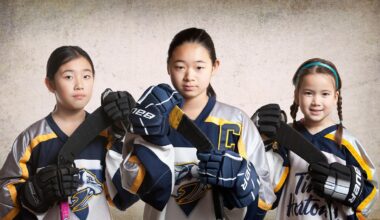
One compelling aspect of curling is its profound influence on the younger generation. Many clubs actively promote youth programs designed to introduce the sport to children and teenagers. Through these programs, young players learn not only the technical skills necessary for curling but also essential life skills like teamwork, leadership, and perseverance. Junior curling leagues allow youth to compete in a structured environment, promoting healthy competition that teaches respect for both teammates and opponents. These skills and lessons contribute to personal development and help shape responsible citizens. Additionally, engaging young people in curling nurtures a long-term interest in the sport, securing its future. Family involvement is also significant, with many parents joining in on the fun, further embedding curling into community culture. Pushing back against sedentary lifestyles, curling instills a love for physical activity through an accessible and non-contact sport. Local clubs often host community events where families can participate together, emphasizing the importance of togetherness. As communities witness the excitement and enthusiasm of youth in curling, they recognize its capacity to unite families and inspire a lasting legacy of athletic involvement.
Moreover, curling serves as a unique cultural vehicle. Its origins trace back to Scotland, which contributes to its rich heritage and traditions. The sport encapsulates various rituals, such as the ceremonial pre-game stone sliding or the traditional celebratory toasts after a match. The norms and practices surrounding curling provide players with a sense of history and pride. Many curling events celebrate traditional values, showcasing regional customs and folklore. Curling clubs often hold themed events celebrating their cultures, further enhancing community ties amongst participants. Participating in these traditional festivities fosters a respect for diverse heritages, allowing participants to connect on a deeper level. As the sport grows globally, various interpretations of curling rituals emerge, leading to a fusion of cultural identities. This aspect of curling underscores its adaptability and relevance in contemporary society while maintaining adherence to historical principles. Consequently, curling becomes an avenue for cultural expression and sharing, enriching local communities. Through organized competitions and inclusive events, curling clubs embrace and promote cultural diversity while strengthening community connections, underlining the impact of the sport on social cohesion.
Curling’s Economic Impact
The economic impact of curling cannot be overlooked. Curling events, both local and national, draw significant attention, leading to increased tourism and business opportunities for local establishments. Competitions often attract participants from various regions, who stay in nearby hotels, eat at local restaurants, and shop at local stores. This influx of visitors provides a vital boost to the local economy, benefiting a range of small businesses. Many curling-related events promote vendor participation, which showcases local artisans and services, contributing to community pride. In addition, curling clubs may host tournaments that encourage local sponsorships, which further underpins the economic structure surrounding the sport. Local governments frequently recognize the value of these events and may provide funding or support for facilities or infrastructure improvements. As such, the economic effects of curling extend beyond immediate financial gain; they also build long-lasting relationships between the sport and the community. Boosting local economies while fostering social ties, curling exemplifies the synergy between sports and economic growth. Its multifaceted impact reaffirms the sport’s importance as more than just a game but a contributor to cultural and economic vitality.
Furthermore, the health benefits associated with curling cannot be underestimated. Curling activity involves skillful maneuvers on the ice, promoting physical fitness and well-being. Participants engage in strategic movement that builds balance, strength, and flexibility. The sport encourages participants to maintain a healthy lifestyle, as regular play provides opportunities for exercise while instilling discipline and commitment. Furthermore, curling is suitable for all ages, allowing people to remain active well into their elder years. This inclusivity helps reduce barriers to participation, fostering intergenerational relationships within the community. Local clubs often conduct wellness education events that focus on the positive impact of physical activity, further promoting healthy living. Engaging in curling also positively contributes to mental health by relieving stress and anxiety through social interactions. Club events create an environment where individuals can build meaningful connections and share experiences. By prioritizing health and wellness through interaction in sport, curling serves as an essential tool for holistic community development. Therefore, the sport not only enriches lives through physical activity but also fosters psychological well-being and strong social bonds.
The Role of Curling in Local Events
Curling also plays a key role in fostering community spirit during local events. Various competitions and exhibitions often highlight the sport, drawing the community together for an enjoyable experience. During these events, members collaborate to organize logistics, promoting teamwork that strengthens existing bonds and encourages potential friendships. Fundraising initiatives associated with these events allow players and volunteers to give back to their communities. Moreover, regional competitions showcase local talent, driving enthusiasm and pride while creating opportunities for spectators to engage with the sport. Local sponsorships further amplify support for these events, promoting local businesses and business owners. The excitement generated around curling events also has the power to attract newcomers to the sport, expanding participation and interest. Often, these events include family-friendly activities to ensure inclusiveness for all ages. This approach encourages younger audiences to participate and learn about curling. As these local events unfold, they become fundamental platforms for promoting curling as a potent force for unity, bringing diverse community members together. Ultimately, curling strengthens community identity while fostering pride and an appreciation for collective accomplishments and experiences.
In summary, the impact of curling on community and culture is multifaceted, enhancing societal values and connecting individuals. From encouraging youth participation to building intergenerational relationships, curling influences diverse aspects of life. The sport brings people together and cultivates friendships that transcend generations and backgrounds. Its role extends beyond individual development, channeling economic growth through events that support local businesses. With a commitment to health and wellness, curling promotes an active lifestyle within the community while reinforcing the significance of teamwork and sportsmanship. The cultural significance of curling cannot be overstated, as its traditions and rituals unite participants in shared experiences. As the sport continues to evolve, its ability to adapt and reflect contemporary society ensures that curling’s presence persists. The passion surrounding curling fosters a vibrant atmosphere filled with camaraderie and connection. Ultimately, curling stands as a testament to how sports can shape communities and influence culture positively. By embracing diverse backgrounds and fostering shared interests, curling inherently strengthens community ties and cultural understanding. The sport serves as a reminder of the power inherent in coming together, united through shared experiences and mutual love for curling.
Conclusion
In conclusion, the profound impact of curling on community and culture is irrefutable. This unique sport serves as a catalyst for local identity, promoting values of teamwork, respect, and inclusiveness. The traditions and rituals associated with curling echo in the hearts of many who engage in the sport. Furthermore, the economic boost brought about by curling competitions strengthens communities. By fostering intergenerational connections through youth and family participation, the sport ensures a legacy that will thrive for generations. Curling embodies the essence of community spirit, providing countless opportunities for social interaction while promoting health and wellness. Through organized events, curling connects people from diverse backgrounds, encouraging cultural exchange and respect. The sport transcends the boundaries of mere recreation, becoming integral to local culture and economic vitality. As curling continues to evolve and adapt to contemporary society, its impact remains undeniable. It stands as a testament to the power of sport to weave the fabric of community while fostering a sense of belonging and pride. In essence, curling reminds us that when individuals come together through shared passions, stronger communities and richer cultural experiences emerge.