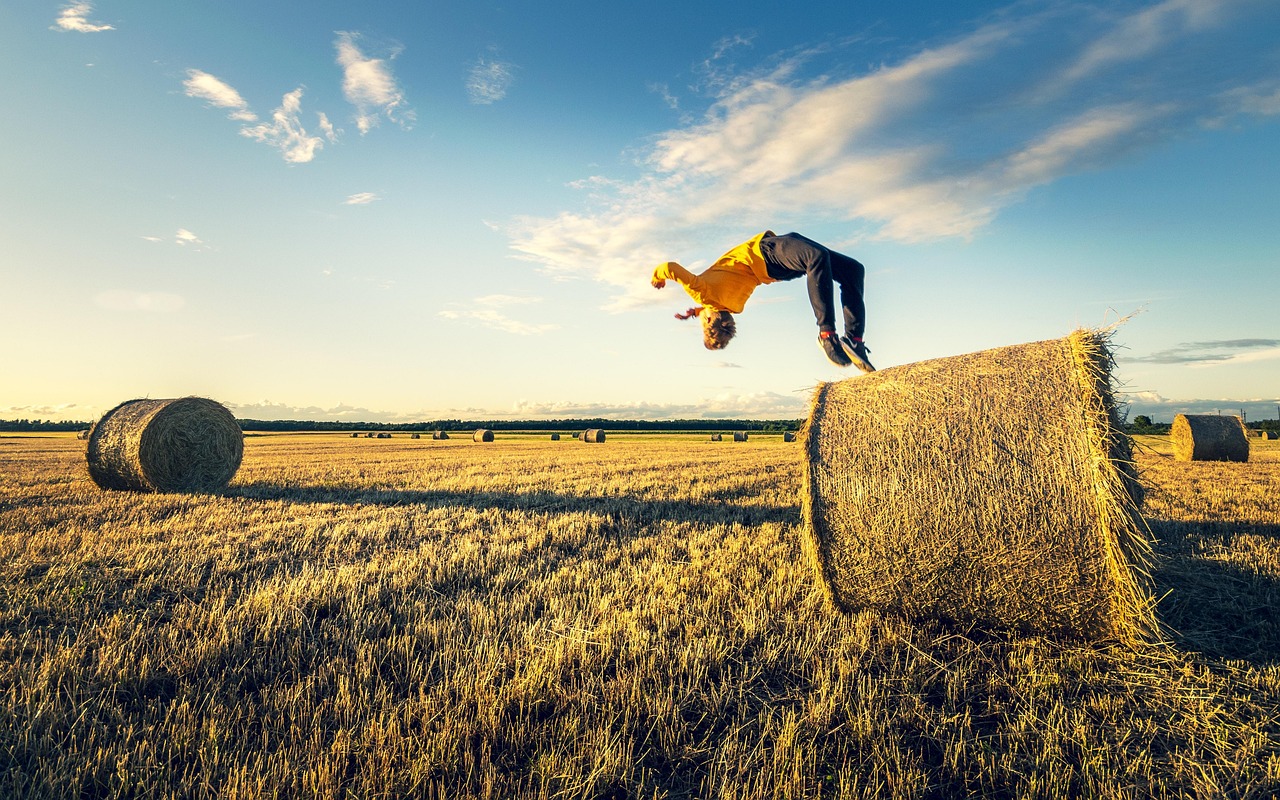

Overcoming Fear and Building Mental Strength in Parkour
When starting your journey in parkour, fear often becomes one of the biggest obstacles. It affects not only your mental state but can limit your progress. Recognizing and confronting this fear is vital. Beginners frequently feel apprehensive about jumping or climbing, wondering if they’ll fall or hurt themselves. Acknowledging these feelings is the first step toward overcoming them. Through practice and gradual exposure to challenges, you’ll build trust in your body and technique. Understanding that fear is a common feeling in parkour can also relieve some pressure. Surrounding yourself with other practitioners can provide encouragement, motivation, and support. Consider starting with low-risk movements that gradually build your confidence. This could involve simple vaults over low obstacles or practicing rolls on soft ground. As you build your confidence, you’ll begin to push your limits further. Progress does not happen overnight; it requires patience and consistency. Celebrate small victories along the way, as each one strengthens your mental fortitude. Seek feedback from experienced parkour athletes to learn techniques that instill safety and control, ensuring you stay on track and build both skills and confidence.
Mindfulness can significantly enhance your training experience and help you conquer fear. Being present in the moment while engaging in parkour allows you to better assess risks and make informed decisions. Incorporating mindfulness practices, like meditation or breathing exercises, can calm your mind and improve focus. Consider setting aside a few minutes before training to clear your thoughts and visualize your movements. This visualization not only prepares you physically but mentally as well. Imagine successfully completing a jump or landing a roll; this mental rehearsal can make actual execution less intimidating. Another technique is positive self-talk. Replace negative thoughts with affirmations that foster confidence. For example, telling yourself, “I am capable and strong” can create a significant impact. Also, don’t shy away from journaling your experiences. Documenting your progress, fears, and victories can provide insights into your mindset and highlight improvements over time. Reflecting on these struggles and achievements will prove beneficial in your growth journey. Lastly, remember to embrace vulnerability; parkour is about learning through trial and error, and every athlete encounters setbacks. Your journey will include challenging moments, but those can lead to incredible triumphs.
The importance of goal setting cannot be overstated in your parkour journey. Goals provide direction, making it easier to focus on what you want to achieve. Start by establishing both short-term and long-term objectives. Short-term goals could encompass mastering a specific skill, like a precision jump or a specific vault. Long-term goals might involve completing a challenging course or participating in a parkour event. Write these goals down to keep them in sight and visible. This accountability creates motivation; as you tick off completed objectives, your confidence significantly grows. Remarkably, smaller, achievable goals contribute to a sense of accomplishment. When setting goals, ensure they are specific, measurable, attainable, relevant, and time-bound (SMART). Each of these elements helps focus your efforts and boosts your likelihood of success. Encourage friends or fellow practitioners to share their own goals and the intentions behind them. This sharing can create a community of support and feedback that will foster growth and development. Remember, it’s normal to adjust these goals as your skills evolve. Embrace the journey and understand that progress isn’t always linear. Celebrate your unique path in parkour.
Developing Resilience and Overcoming Setbacks
Resilience is essential in parkour, as you will inevitably face setbacks and challenges. Learning to bounce back after a fall or not achieving a desired skill requires mental strength. When setbacks occur, instead of feeling discouraged, use them as opportunities for growth. Analyze the situation to identify what went wrong and what could be done better in the future. This analysis allows you to learn from mistakes and avoid repeating them later. Consider creating a recovery plan when encountering obstacles. Write down how you can improve your technique or what drills could help you master tricky moves. Staying positive during difficult moments is vital; surround yourself with supportive individuals who can help foster a resilient mindset. Embracing failure is not just about coping with it, but also thriving in spite of it. This mindset builds both character and skill. Join supportive communities, either in-person or online, to connect with motivated individuals who encourage each other through struggles. Their experiences may provide you with valuable perspectives and alternative training methods that enhance your resilience, ultimately helping you on your parkour journey.
Physical training is integral to developing mental strength for parkour. While the mental aspect cannot be overlooked, your body’s readiness impacts your confidence. Incorporate strength, agility, and flexibility training into your routine. Building a robust body provides a solid foundation for executing moves. Consider exercises like squats, lunges, and plyometrics to increase strength. Combine these with agility drills such as ladder drills and obstacle courses that replicate parkour challenges. Flexibility plays a significant role in safely performing various movements; therefore, commit to regular stretching routines. Yoga or dynamic stretching can aid in achieving the flexibility you need. Moreover, engage in cross-training activities like climbing or gymnastics which can enhance your overall body awareness. Not only do these exercises enhance your physical abilities, but they also contribute toward minimizing injuries. Listen to your body and adapt your training accordingly. Overtraining can lead to mental fatigue and physical burnout, which can amplify fear. Always ensure you have adequate rest and recovery periods in your training regimen. This balance ensures sustainable growth while preserving your motivation and mental strength. Building a strong foundation physically will bolster your confidence to tackle parkour challenges.
Finding Your Community and Building Support
Connecting with like-minded individuals can enhance your parkour journey and provide essential emotional support. Friends, training partners, or a local parkour community can make all the difference in your development. Look for local parkour groups through social media or dedicated websites to find opportunities for collaboration. Collaborating with others yields different perspectives and can help strengthen your skills. Regularly training with others allows for sharing experiences, challenges, and triumphs. A collective atmosphere provides motivation and accountability, pushing you to confront your fears more effectively. Beyond skill-building, these relationships can help develop lasting friendships, creating a network of support. Emotional reassurance is crucial when confronting anxieties or tackling tricky movements. Fellow athletes can offer encouragement, advice, and assurance, paving the way for progress. Consider participating in workshops, parkour events, or competitions to expand your network even further. These opportunities allow you to learn from seasoned professionals while fostering new relationships. Benefits from mentorship are immense, as established athletes can impart wisdom on overcoming fear and building resilience. Be open to learning from others; everyone has a unique journey. Engaging with a supportive community ultimately enhances your overall experience.
Always remember that overcoming fear in parkour is a gradual process; patience is key. Each individual’s journey varies, and it’s vital to respect your pace while remaining consistent in your training. Accept that fears won’t vanish instantly; instead, embrace the small steps you take toward overcoming them. Some days might feel easier than others. Celebrate your growth regardless of how insignificant it may seem. Focus on redefining your relationship with fear; rather than viewing it as obstacles, see it as an area ripe for exploration. Maintaining a positive mindset is paramount; the more you push through your fears, the more resilient you’ll become. Visualization, goal setting, and being mindful of your training will significantly aid you through this process. Surround yourself with a supportive network, engage in physical training, and make a habit of reflecting on your progress. Overcoming fears in parkour not only develops physical skills but contributes to holistic personal growth in your life outside the sport too. In closing, parkour is more than just movement; it’s a journey of self-discovery, strength, and building mental resilience with every leap and bound.