
Resistance Band Strength Challenge for Home Workouts
Resistance bands have become a popular tool for strength training at home, providing various exercises to enhance strength and flexibility. This Resistance Band Strength Challenge combines various workouts suitable for beginners and seasoned athletes. Using these bands can help individuals engage in effective strength training without heavy weights, making them perfect for home workouts. The bands are portable and often lightweight, meaning they can be used anywhere, whether at home or during travel. With consistent workouts using resistance bands, individuals can build muscle, improve endurance, and enhance their overall fitness level. Many find using bands less intimidating than traditional weightlifting, as adjustments can be made to suit any fitness level. This challenge encourages participants to set goals and track improvements over time. Additionally, performing these workouts in a group can foster camaraderie and support among friends or family members. As part of this challenge, participants will focus on proper form, breathing techniques, and gradually increasing resistance. This approach ensures that workouts remain effective while minimizing the risk of injury.
Benefits of Resistance Band Training
Resistance bands offer numerous benefits over traditional weights, making them an ideal tool for those training at home. One key advantage is their versatility; they can easily mimic most weight machines while allowing for more varied movement patterns. This flexibility is excellent for total body workouts, targeting multiple muscle groups simultaneously. Moreover, because resistance bands provide variable resistance, users can perform exercises at their own pace and quickly switch between different resistance levels. This adaptability means individuals can continue progressing without needing to invest in additional bulky equipment. Additionally, resistance training with bands can enhance joint stability, thus preventing injury during workouts. Their compact size makes them easy to store and transport, ensuring that users can stay on track with their fitness routines wherever they go. Another noteworthy benefit is the ability to perform exercises in a lighter manner, reducing strain on joints and tendons. This can be particularly beneficial for individuals recovering from injury. As individuals become more advanced, they can incorporate the bands into other workouts for added intensity and variety, keeping fitness routines engaging.
Consistency is crucial for achieving fitness goals, and creating a schedule can help participants stay committed to their Resistance Band Strength Challenge. Planning workouts strategically aids in tackling diverse muscle groups each day to prevent plateaus or overtraining specific areas. Mixing up exercises throughout the week can engage muscles differently, ensuring they adapt effectively for strength development. To maintain motivation, challenges should set both short-term and long-term goals, rewarding achievements along the way. Offering progress trackers in the form of graphs or journals can keep participants accountable while giving them a sense of accomplishment. Switching up routines frequently can prevent boredom, and adding new exercises will continually introduce fresh challenges to overcome. Participants can even include online videos or tutorials, ensuring they learn proper form and technique, which is paramount for avoiding injury. Additionally, incorporating rest days in the schedule allows muscles to recover, further optimizing the training process. Recovery is just as vital for strength building as the workouts themselves. A dedicated schedule that incorporates strength training can foster a lasting habit, promoting overall health and well-being.
Types of Exercises to Include
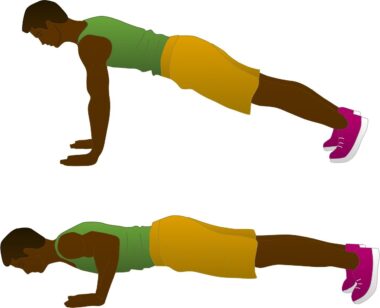
Many exercises can conveniently be adapted for resistance bands, providing users with a broad range of movements to include in their challenge. Some popular resistance band exercises incorporate squats, standing rows, and chest presses. Squats using bands can engage the lower body effectively, building strength in the legs while promoting good form. For upper-body workouts, participants might consider seated rows that target the back muscles, improving posture and overall endurance. Additionally, incorporating shoulder presses can aid in building shoulder strength and stability. Kneeling banded tricep extensions are another excellent exercise to focus on the arms, complementing bicep work. Core exercises such as banded woodchoppers can enhance rotational strength and improve overall core stability. These exercises can all be performed in circuits, allowing participants to work the entire body during their resistance band strength challenge. Finally, band-assisted pull-ups or push-ups add an extra challenge while ensuring safe progression for those still building their strength. By varying these exercises, participants can continually challenge their bodies and experience significant fitness gains while keeping workouts enjoyable.
Warm-up routines are vital before beginning any workout, including resistance band training. Incorporating dynamic stretches to help improve flexibility can prepare the body for rigorous exercise. Simple movements like arm swings and leg swings can increase blood flow to muscles, promoting an effective workout. Furthermore, engaging the core through movements like torso twists ensures readiness and stability during strength training. Taking the time to warm up can prevent injuries and prepare muscles for a successful workout. As for cool-down routines, stretching after training is essential to restore muscle length and reduce post-workout soreness. Participants should focus on major muscle groups used during workouts, holding each stretch for adequate duration. Breathing deeply during cool-down stretches can enhance relaxation, allowing the body to transition effectively from high-intensity activity to a resting state. Maintaining this routine fortifies the effectiveness of the Resistance Band Strength Challenge, promoting longevity and effectiveness in workouts. Additionally, pairing this with hydration ensures optimal performance throughout the challenge, particularly for rebuilding energy levels and aiding recovery. Implementing warm-up and cool-down routines is a simple yet effective strategy for enhancing overall training safety.
Tracking Your Progress
One key aspect of any fitness challenge is tracking progress, as it helps participants stay motivated and encourages consistent effort. Keeping a detailed workout journal allows individuals to monitor their improvements over time, noting the different exercises performed and the corresponding resistance levels. With regular tracking, participants can identify their strengths and areas that require more focus. This ongoing assessment can help adjust workouts to ensure balanced training that continuously challenges the body. Technology can further aid tracking by utilizing apps or fitness trackers that provide insights into performance metrics. Many of these tools can highlight achievements or set reminders for workouts, streamlining the fitness journey. Participants can also set mini-challenges within the overarching Resistance Band Strength Challenge to increase engagement. For example, aiming for more reps or adding extra resistance bands can introduce variety while pushing boundaries. Celebrating milestones, such as achieving personal bests in certain lifts or completing workouts consistently over a month, fosters a sense of accomplishment. Setting future goals based on past performance can be a motivating factor for continuous improvement.
Emphasizing the social aspect of fitness can further enhance the resistance band challenge experience. Participating in the challenge alongside friends, family, or a workout group can offer valuable support and camaraderie throughout the journey. Sharing fitness goals with others creates accountability while allowing participants to encourage each other through successes and setbacks. Establishing a group chat or social media group can also provide a platform for participants to share their progress, tips, and motivation. Organizing weekly check-ins or video calls can help strengthen community bonds, fostering lasting friendships while prioritizing health. Friendly competition can add excitement to workouts, motivating individuals to push their limits. Additionally, participants might consider sharing their experiences on various platforms, offering advice and insights to others looking to embark on their resistance training journey. Highlighting individual and group achievements can inspire newcomers to join. By creating a supportive community around their Resistance Band Strength Challenge, individuals can cultivate a positive atmosphere that encourages personal growth and enjoyment in fitness.
Conclusion
The Resistance Band Strength Challenge allows individuals to experience effective strength training at home with minimal equipment. With various exercises and options for progression, this challenge accommodates all fitness levels. Building strength, flexibility, and endurance through resistance band training can transform participants’ overall health and well-being. Commitment, creativity, and community involvement will enhance the experience, making fitness enjoyable and achievable. By utilizing goal-setting, tracking progress, and emphasizing social connections, individuals will cultivate a positive mindset towards health. As workouts continue to adapt and evolve, participants will undoubtedly see remarkable results over time, keeping them motivated to stay active. Ultimately, the resistance band challenge empowers individuals to take charge of their fitness journey, instilling confidence and long-lasting habits that lead to improved quality of life. Thus, it also highlights the importance of regular exercise integrated into everyday routines. By encouraging mindful practices, sustainable fitness can be achieved, steering individuals towards holistic wellness. Today’s strength training should carry forward into the future, promoting physical and mental resilience through enjoyable exercises.