
Tracking Biomechanics with Technology During Balance Board Sessions
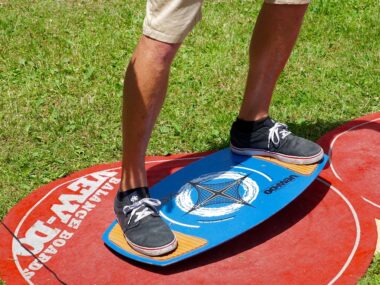
Balance board training is a dynamic and engaging way to improve one’s stability and coordination. However, understanding how to track biomechanics during these sessions can significantly enhance the effectiveness of the workout. Utilizing technology such as motion sensors and applications can provide real-time feedback on balance performance. This feedback can be crucial for adjusting techniques to achieve better results. Different types of balance boards are available, each affecting biomechanics uniquely. Choosing the right board can therefore play a crucial role in training efficiency. Such training equipment often comes with tracking capabilities to monitor movements and are frequently used in both rehabilitative and athletic performance settings. Users can analyze their postural sway using biomechanics data collected during balance tasks. Data analytics can help identify common errors in form, allowing targeted improvements. Implementing technology not only aids in performance enhancement but also ensures safety during exercises. With increasing accessibility to wearable devices, tracking biomechanics has never been easier than it is today. Exploring how to integrate this technology into your training can lead to profound benefits, optimizing every balance board session.
Understanding balance is crucial in daily activities and sports performance. Developing proper techniques for balance board training is instrumental in achieving desired outcomes. Biomechanical assessments can reveal insights into an individual’s core strength and postural stability. Balance boards facilitate various movements, including squats and stability exercises, which further reinforce coordination. Using technology such as wearable sensors can assist practitioners in understanding each movement pattern. These devices can record deviations and provide valuable metrics related to balance. For practitioners, leveraging this data means crafting personalized training programs tailored to individual needs. Specifically, tracking metrics like weight distribution and center of gravity shifts during drills can inform improvement areas. When using balance boards, monitoring how movements affect the spine and joints can prevent injuries. Standard exercises on a balance board might include single-leg stands or rotational exercises to challenge stability. Additionally, reviewing past sessions’ progress allows users to set realistic goals over time. By incorporating regular assessments, users can witness remarkable advancements in their balance training, ultimately leading to improved performance in various sports and recreational activities.
Integrating Technology in Balance Training
Integrating technology into balance training can boost engagement and effectiveness. Fitness apps designed for balance training can track user progress, adjust difficulty levels, and offer instructional videos. Furthermore, visioning software has emerged, showcasing how altering body alignment impacts stability. Combining virtual reality with traditional balance training offers an innovative twist, making sessions interactive. Players can engage in gaming formats that challenge their balance on a board with fun, immersive environments. This technology not only motivates athletes but also provides quantifiable insights into biomechanics. These insights can help users learn how their anatomy reacts in various training scenarios, including types of movements. Some systems even analyze and suggest drills tailored to individual performance metrics. Wearables that monitor heart rate and calories burned during balance workouts also play a crucial role. They ensure users remain within their training zones for optimal results. Moreover, implementing analytical software can enhance group training sessions, allowing instructors to refine coaching strategies based on collective data. This approach ensures the group can achieve balanced improvement while remaining highly motivated through tech-enhanced sessions.
Incorporating feedback loops into balance training can revolutionize the approach to sessions. Using technology effectively gives users immediate data, allowing real-time corrections and adjustments of form. As participants practice, wearable devices provide vibration alerts or audio feedback when they deviate from optimal balance mechanics. Such immediate feedback loops enhance learning experiences, ensuring understanding. Not only does this encourage better form, but it also fosters confidence in users as they see their improvements manifest. Over time, users develop stronger core muscles, improved stability, and enhanced coordination. Various metrics collected over multiple sessions can translate habits into targeted goals. Technology-enabled training programs can implement gradual challenges tailored to user progress, thus maintaining engagement and reducing boredom during workouts. Furthermore, utilizing cloud-based services for data storage can ensure easy access to performance analytics from any device. This accessibility facilitates tracking long-term improvements, motivating users to stay committed. Regularly reviewing performance records can help users adjust training intensity or variety, further enhancing their balance capabilities. A structured approach balancing both practical skills and technology is vital for successful balance board training initiatives.
Scientific Approach to Balance Training Analysis
The scientific method applied to balance training analysis can unlock a wealth of information. Researchers are increasingly exploring how biomechanics inform effective balance training. Systems that measure force exertion and distribution during exercises allow trainers to base their coaching on solid data. Such data includes force plate readings, which reveal how weight shifts affect stability and balance. Routine assessments using these readings cultivate an understanding of biomechanics, leading to more customized exercises. Additional analytical tools, including video analysis, assist in observing movement patterns during balance tasks. This assists trainers in identifying weaknesses and determining effective interventions. Evaluating balance exercises within a controlled environment can produce consistent data for better training strategies. Specifically, statistical analysis can assist trainers in evaluating which balance board exercises lead to the best outcomes. As trainers explore innovative ways to enhance balance training let us look at published research standing at the crossroads of technology and training. The goal remains to impact injury prevention and performance enhancement significantly, providing guidance to athletes on achieving a solid foundation within their sport.
Success in balance board training is often attributable to the intersection of technology and user engagement. As advancements continue, the future of balance training appears promising, filled with infinite possibilities for enhanced performance monitoring. Emerging trends in technology might soon include artificial intelligence systems capable of predictive analytics related to balance. Such systems can analyze an individual’s data and predict potential balance deficiencies or injury chances preemptively. With this futuristic approach, trainers can prescribe preventative exercises and routines tailored to each individual. The continuation of this trend will likely lead to more curated and effective training programs that ensure athlete safety. Moreover, ongoing studies into biomechanics inform future technology developments, creating smarter and more tailored training solutions. It is essential for fitness enthusiasts to stay abreast of these updates to maximize their training outcomes. Educational seminars and workshops are crucial for introducing trainers to these advanced techniques and technology options. Dedicated practitioners will not only advance their skills but will also impact their training cohort immensely. In doing so, they contribute to better-informed training practices, leading to the overall enhancement of balance and coordination training methodologies.
Conclusion on Balance Board Training Enhancement
In summary, the integration of technology within balance board training enhances overall effectiveness dramatically. From utilizing wearable sensors to implementing software applications, users have the opportunity to optimize their workouts significantly. Each tool contributes to an understanding of biomechanics, ultimately allowing for targeted improvements. This not only optimizes performance but also serves an essential role in injury prevention. Reaffirming the importance of safety through technology cannot be understated in balance training. Furthermore, it serves to motivate and engage participants, ensuring consistency and enjoyment in workouts. Advanced analytics allow trainers and athletes to track their journey, access data easily, and devise tailored programs for specific needs. Collaborative approaches among fitness peers can foster an environment of shared learning and growth. Ultimately, embracing technology within training ultimately leads to better results in improving balance and coordination. The future landscapes in balance training will be exciting, as innovations continue to shape how athletes learn and engage with their balance training sessions. By remaining adaptable and embracing new techniques, practitioners can ensure their training methods remain relevant and effective.
With an increasing focus on biomechanics and performance analysis, the relevance of tracking technologies in balance board training becomes clear. This holistic approach benefits both general fitness enthusiasts and athletes aiming for optimal levels of performance. Individual trainers and coaching teams stand to gain significantly from adopting these practices. Consequently, they contribute substantially to improvement in athletic performance and injury prevention, cultivating stronger foundational skills across demographics. The synergy between biomechanics and technology in balance training represents the future of how personal training evolves. Innovators and fitness enthusiasts alike should remain engaged with emerging trends to harness the best tools available. Ensuring that traditional methods and modern technology complement each other will achieve profound results in the balance and coordination landscape.