
Effective Resistance Band Exercises for Leg Muscle Building
Resistance bands are fantastic tools for enhancing leg workouts, as they offer versatility and adaptability. By incorporating resistance bands, individuals can effectively adjust resistance levels to match their personal strength. This flexibility allows users of all fitness levels to participate and benefit from the exercises. Leg muscle building becomes more accessible, making it ideal for both beginners and seasoned athletes. One remarkable advantage of resistance bands is that they can be easily transported, allowing for consistent workouts anywhere—be it at home, in the gym, or while traveling. The portability of these bands eliminates excuse barriers. Resistance bands also provide constant tension throughout exercises, leading to maximized muscle engagement and potential growth. Strengthening the quadriceps, hamstrings, calves, and glutes becomes achievable with various movements. For optimal results, a well-rounded resistance band workout plan should be incorporated into your fitness routine. Combining these workouts with an appropriate diet and hydration plan is crucial for muscle recovery and growth. Working out with resistance bands can prevent injuries by promoting controlled movements. Explore a variety of exercises utilizing resistance bands to take your leg workouts to the next level!
Key Benefits of Using Resistance Bands
When training with resistance bands, several key benefits emerge. First, resistance bands are incredibly effective for building strength without the need for heavy weights. They create a unique resistance that enables muscle adaptation and growth without any overpowering strain. This quality is excellent for those recovering from injury or wanting to prevent one. Second, they promote functional fitness, mimicking everyday movements and improving overall body control. Third, resistance bands engage stabilizing muscles effectively by challenging balance and coordination. Improved stability can lead to enhanced athletic performance across many activities, from running to hiking. Fourth, they are cost-effective. Compared to traditional gym equipment, resistance bands are affordable and accessible. A single set can provide hundreds of exercises for years, making it a wise investment for fitness enthusiasts. Fifth, resistance bands can be seamlessly integrated into existing workout routines. This incorporates more variety and excitement into training sessions. So, whether you’re a novice or an experienced lifter, adding resistance bands can revolutionize your workout approach, making it more enjoyable and beneficial. They encourage creativity in workouts that will keep you motivated and engaged on your fitness journey.
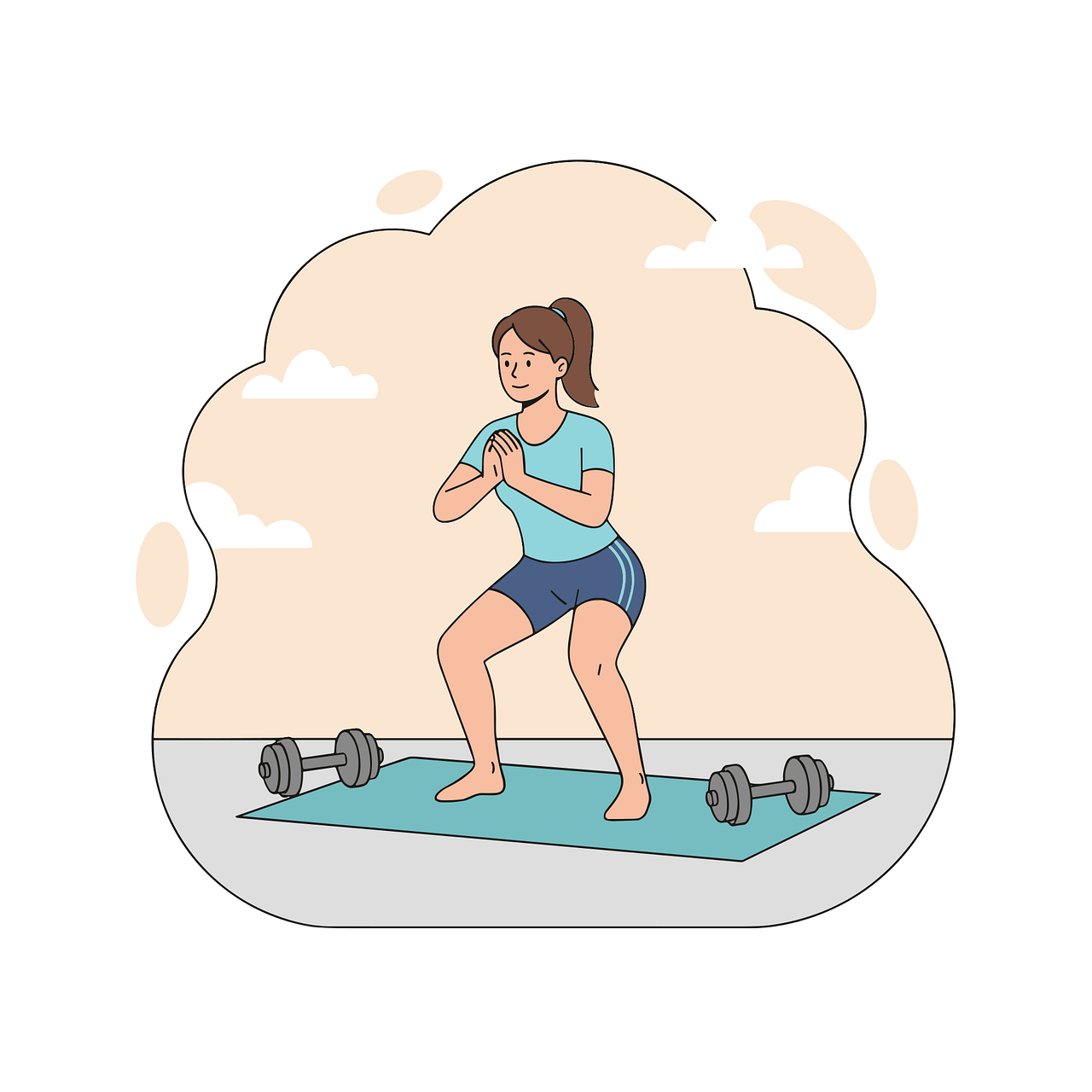
Some effective resistance band leg exercises include squats, lunges, and leg extensions. Squats can be modified with resistance bands to add extra tension, enhancing muscle recruitment in your glutes and quadriceps. For added intensity, try single-leg squats or pulse squats. Lunges, another exceptional exercise, can focus on the quads and glutes as well. Incorporating resistance bands around your thighs can create extra resistance, greatly increasing muscle engagement. Ensure proper form while performing lunges to both maximize effectiveness and minimize injury risk. Leg extensions can also be performed with resistance bands to target the quadriceps, a significant muscle group that often needs strengthening. Securing the band around a sturdy object while gripping the other end with your ankle allows for controlled movements, ensuring effective muscle targeting. Don’t forget to include lateral band walks! This exercise warms up the hips and strengthens the gluteus medius, crucial for knee stability. Each exercise should be performed with focus and control to maximize gains and minimize injury potential. Structuring your leg workout with a mix of these exercises can yield fantastic results while keeping things varied and enjoyable.
Creating a Resistance Band Workout Plan
Designing a well-structured resistance band workout plan is essential for achieving desired results. Start with a clear scheduling approach that includes your workout frequency, ensuring consistency. Generally, aiming for three to four leg workout sessions per week can lead to substantial improvement in strength and muscle growth. Begin each session with a proper warm-up lasting 5 to 10 minutes, ensuring blood flow to your muscles and reducing injury risks. Next, incorporate a mixture of all-inclusive resistance band exercises targeting various leg muscle groups. For ideal balance, allocate time for both compound and isolation movements to maximize engagement. Keep workout intensity high and aim for 8 to 15 repetitions per exercise, adjusting resistance as needed. Slowly progress over time by increasing the bands’ resistance or incorporating more complex movements once you adapt. Allow adequate rest and recovery, as muscles require time to rebuild and strengthen after workouts. Each training session should ideally be complemented by flexibility work and stretching. Ending with meditation or relaxation techniques can also enhance mental and physical recovery. These elements combined will optimize your resistance band leg workouts.
Nutrition plays a vital role in any successful leg muscle-building program. To support your workouts with resistance bands effectively, incorporating adequate protein is essential. Protein provides the necessary building blocks for muscle repair and growth after your difficult training sessions. Aim for high-quality protein sources such as lean meats, nuts, beans, or protein supplements based on personal preference and dietary restrictions. In addition to protein, maintaining an appropriate balance of carbohydrates helps fuel your workouts and supports recovery. Great sources of carbohydrates include whole grains, fruits, and vegetables to provide lasting energy. Staying properly hydrated is equally crucial, as dehydration can lead to diminished performance and recovery. Hydrate consistently throughout the day, aiming for at least 8 to 10 glasses of water daily, and increase intake during exercise. Don’t underestimate the impact of nutrition in reaching your fitness goals. Prioritize meals rich in vitamins and minerals while limiting processed products high in sugar and unhealthy fats. A balanced diet can greatly enhance your overall performance and results. Pairing solid nutritional habits with dedicated resistance band workouts will lead to a more sustainable and effective muscle-building process.
Tips for Maximizing Your Resistance Band Workout
In addition to structured workouts and solid nutrition, there are various tips to enhance your resistance band leg workouts. First, ensure that resistance bands are suitable and of high quality. Opt for rubber bands of optimal thickness and durability for the resistance levels that will match your fitness needs. Second, always focus on proper form during exercises. Maintaining good posture will not only improve strength gains but also minimize your risk of injury. Third, consider including variation in your workouts. Regularly changing exercises or altering the resistance levels can help prevent plateaus and keep you engaged. Fourth, keep track of your workouts. Whether by jotting down workouts in a journal or using fitness apps, evaluating progress can inspire motivation and commitment. Aim to perform each movement deliberately and slowly, concentrating on both eccentric and concentric phases of each exercise. Finally, never underestimate the importance of rest days. Your muscles need time to recover for optimal growth. Make rest a priority, giving your body sufficient time to heal and strengthen. Following these tips helps maximize the benefits of your resistance band leg workouts.
In conclusion, utilizing resistance bands for leg workouts serves as an excellent way to build strength and enhance fitness routines. With their versatility, accessibility, and effectiveness, these simple tools can lead to fantastic results. Incorporating exercises such as squats, lunges, and leg extensions can target essential leg muscles effectively while promoting functional fitness and injury prevention. By creating a well-structured workout plan that emphasizes progression, individuals will experience growth and improvements in strength. Remember to bolster training efforts with proper nutrition, hydration, and rest to achieve ideal outcomes. Striving for a balanced approach to fitness fosters wellness and inspires long-term commitment. With dedication and effort, resistance bands can significantly transform workouts and become an integral part of leg training. So take the opportunity to explore the many exercises available and find the right blend for your training regime. Challenge yourself, enjoy the process, and always prioritize form to reap the benefits of your workouts. A dedicated routine focusing on resistance band movements will not only increase leg strength but also enhance overall physical performance in daily life.
The application of resistance bands for leg workouts demonstrates efficiency and versatility. Incorporating these bands allows for constant tension during exercises leading to improved muscle engagement and growth. They make leg exercises accessible for everyone, regardless of fitness levels. Whether you’re new to fitness or a veteran, resistance bands can benefit your training. Reducing the importance of heavy weights while still achieving a challenging workout is revolutionary. Working on strength with resistance bands encourages safer movements, maximizing results while minimizing injury risks. They enhance stability and control, promoting better body mechanics. Engaging in resistance training also fosters greater workout engagement, keeping individuals motivated in their fitness journeys. It allows flexibility in workout spaces—perfect for at-home training or travel workouts. That said, individuals can witness remarkable results by focusing on a balanced routine incorporating resistance bands during leg training sessions. Engaging multiple angles through various exercises provides comprehensive leg muscle stimulation. Ultimately, finding the motivation to incorporate the resistance bands into regular workouts can lead to fulfilling and exciting progress over time, making every individual’s leg strength journey enjoyable and rewarding.