
Integrating Mobility and Flexibility in Youth CrossFit
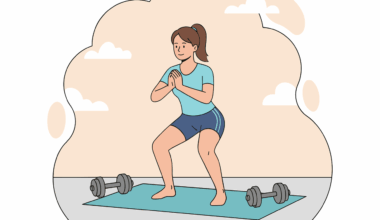
CrossFit for Kids and Teens is a growing trend that encourages physical fitness through varied workouts. Integrating mobility and flexibility training into these classes is crucial to developing healthy young athletes. Young bodies are still growing, making it essential to focus on exercises that promote proper movement patterns. Mobility exercises can assist children in increasing their range of motion, which benefits their athletic performance. Integrating these drills not only enhances physical abilities but also helps prevent injuries. The inclusion of mobility work in youth CrossFit ensures that children develop a strong foundation for their fitness journey. Young athletes learn various techniques that maximize their effectiveness in workouts. Additionally, flexibility training can contribute to muscle relaxation and recovery after intense sessions. Teaching kids the importance of stretching can help them foster lifelong habits that will benefit their physical wellness. Incorporating mobility and flexibility practices enhances their overall experience and reduces post-workout soreness. Well-designed classes that teach these fundamentals create an engaging environment that keeps kids active and motivated. This positive atmosphere promotes teamwork while instilling values that last well beyond their childhood years. That’s why integrating mobility and flexibility should be a priority.
When planning CrossFit workouts for kids and teens, coaches must ensure a balanced approach that includes mobility and flexibility training. This means incorporating a variety of dynamic stretches and mobility drills during each class. Dynamic warm-ups, such as leg swings and arm circles, prepare the body for physical challenges ahead. They can also address common restrictions that young athletes may face. Furthermore, cooldown stages should incorporate static stretching routines tailored to accommodate youth flexibility levels. This helps reinforce the benefits of mobility training while teaching proper techniques. Finding exercises that are age-appropriate encourages participation and enjoyment, making them more likely to adhere to healthier habits. Engaging in fun activities that challenge their agility and stability will keep kids motivated. Moreover, the social interaction within classes enhances emotional and mental health, as kids develop friendships through shared experiences. Educating participants about the benefits of flexibility not only empowers them but also sets them up for future success. Grasping these concepts early helps instill a positive attitude toward fitness and wellness. As trends evolve and change, foundational skills learned during youth play a significant role in helping them adapt and excel as they grow.
The Role of Coaches in Youth Fitness
Coaches hold a key role in the development of mobility and flexibility skills among youth CrossFit participants. Effective coaching requires a deep understanding of young people’s developmental needs. Therefore, coaches must tailor their approach to the unique requirements of each age group. They should prioritize creating an inclusive environment where every child feels comfortable participating. Providing options for different fitness levels encourages all children to engage without feeling discouraged. Clear, age-appropriate explanations and demonstrations are critical tools that enhance understanding. This also fuels excitement and eagerness among young athletes. Coaches should strive to foster a sense of community, where everyone supports each other’s efforts. Encouragement from peers creates a positive atmosphere to develop healthy habits. Continually educating yourself as a coach about the latest trends and research in youth fitness is essential. Ensuring that classes adhere to safety protocols while teaching mobility and flexibility will prevent injuries. Coaches should encourage open communication with parents to reinforce the importance of these essential skills. This collaboration can bridge the gap between home and the CrossFit box, ensuring that children receive the support they need during their fitness journey.
Adopting a variety of activities can make mobility and flexibility training engaging for young athletes. Coaches may consider using games or unique challenges during classes to maintain interest levels. Using fun activities such as obstacle courses encourages practice while minimizing fatigue. These exercises can incorporate balance and coordination, further enhancing the effectiveness of mobility work. Yoga-inspired movements can also be explored, introducing mindfulness concepts to young athletes. This approach teaches them how to focus on their breath and use their bodies more intentionally. Incorporating creative motifs allows kids to connect better with the exercises while building strength and flexibility. Lastly, reward systems can promote engagement—offering incentives for effort or improvement is an excellent motivation tool. Engaging workouts foster a positive attitude toward physical activity, making children more likely to return for additional sessions. Additionally, consistency in classes is vital for developing mobility and flexibility over time. Short sessions focusing on these areas can be integrated regularly into the overall workout structure. This approach cultivates the desire for continuous self-improvement and reinforces the understanding of fitness as an essential component of life.
Establishing a Lifelong Fitness Mindset
By integrating mobility and flexibility into youth CrossFit, coaches can instill a lifelong fitness mindset in participants. Teaching children the value of taking care of their bodies primes them for greater longevity in their fitness journeys. Understanding their body’s capabilities and limits allows them to make informed decisions later in life. The early introduction of flexibility practices can lead to more resilient adults who prioritize health and fitness. Empowering young athletes with mobility skills boosts their confidence and performance in sports while helping them appreciate the need for recovery and self-care. These habits encourage them to foster positive relationships with physical activity as they grow older. As future athletes evolve, their foundation for success will undoubtedly be influenced by their early experiences in CrossFit. When children excel in mobility, they often see improvements in their overall coordination and strength, enhancing their athletic abilities across various sports. Moreover, they may become mentors for their peers, spreading awareness of how mobility routines can optimize performance. Supporting youth in developing such essential skills can create a ripple effect within communities, highlighting the benefits of fitness among future generations.
In conclusion, effectively integrating mobility and flexibility training into CrossFit for Kids and Teens creates lasting benefits. Coaches are responsible for providing safe, enjoyable environments that instill enthusiasm for fitness among young athletes. Developing compliance to mobility and flexibility exercises is necessary to help foster greater athletic performance while reducing injury risk. Implementing diverse activities and games keeps participants engaged, ensuring they consistently practice essential skills. As children advance, they should feel empowered to take charge of their own fitness journeys, learning to prioritize mobility and stretching techniques automatically. Parents play a vital role, collaborating with coaches to support their children’s development. Open communication can bridge the gap, fostering understanding of importance and commitment to fitness practices. Promoting flexibility and mobility within youth CrossFit encourages responsibility while building a lifelong appreciation for health and wellness. As this movement continues to grow, creating supportive communities will significantly impact the future of fitness. Remember that these foundational skills not only enhance performance but contribute to overall well-being. Integrating mobility and flexibility today lays the groundwork for tomorrow’s thriving athletes, emphasizing a commitment to lifelong health.
To effectively implement these practices, assess the individual needs of participants regularly. This assessment should include monitoring their progress, flexibility limitations, and overall engagement in classes. Observing how children respond can inform coaches about whether adjustments are required in their approach. Providing constant encouragement promotes their motivation while creating a sense of achievement. Additionally, ongoing education and feedback are essential components driving continuous improvement in fitness programs. By fostering an environment that supports growth, children flourish and experience genuine enjoyment in their fitness journey. Incorporating regular assessments not only fosters accountability but also helps motivate kids personally as they can visualize their own development. Further, establishing a systematic approach means promoting engagement through varied routines. This adaptability keeps workouts fresh and exciting while encouraging ongoing participation. When children are excited about their activities, they’re more likely to embody the lessons conveyed and carry them into adulthood. Ultimately, each step towards better mobility and flexibility can lead to enhanced lifelong health benefits. When approached thoughtfully, integrating effective practices into youth CrossFit programs can transform lives, shaping the next generation’s relationship with fitness positively.
References
Resources for improving youth fitness knowledge can offer valuable insights. Websites such as the CrossFit Kids and Teens program provide educational articles aimed at coaches and parents. Research studies often highlight the effectiveness of incorporating mobility in youth workouts. Engaging with noted fitness experts and community organizations can further enhance strategies to improve youth fitness. Online forums and local classes focused on youth sports also serve as resources for distribution of tailored programming. Organizations specializing in mobility issues provide additional information supporting better understanding and awareness. Additionally, instructional videos on platforms like YouTube can guide proper mobility techniques designed for kids. All these resources collectively inform and inspire fitness professionals aiming to empower the youth they work with. Continuous education on the evolving landscape of youth fitness ensures instructors advocate best practices. Staying informed about trends lets coaches provide the highest quality programs. Parents should also engage with available resources to support their child’s physical development at home. Ultimately, building a solid base in mobility and flexibility is crucial for enjoyable and rewarding youth CrossFit experiences.