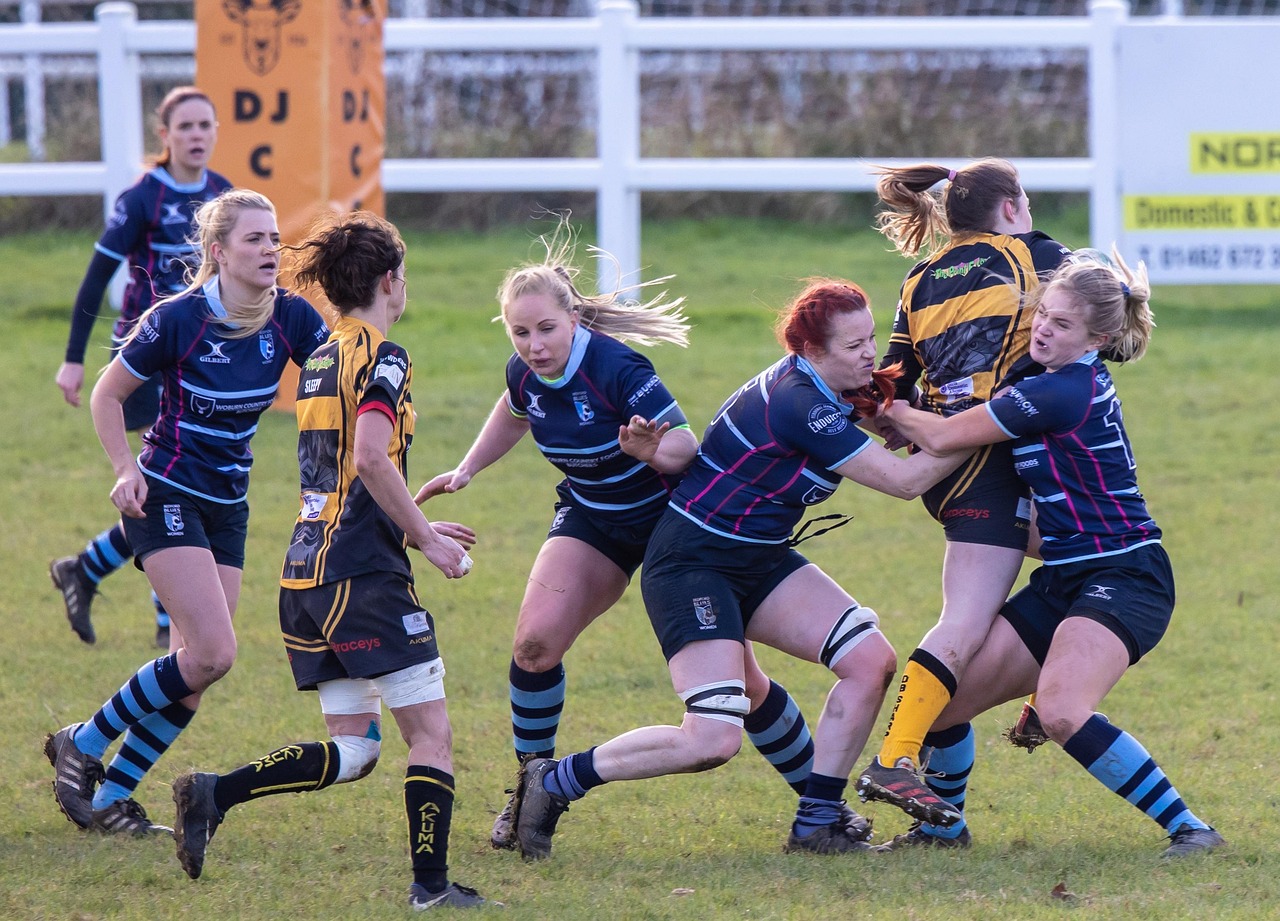

Preventing Concussions in Rugby: Best Practices
Concussions are among the most severe injuries that rugby players may encounter. They’re a critical concern within the sport due to the high-impact nature of gameplay. Understanding the mechanisms of these injuries is essential for prevention efforts. Coaches, players, and medical staff need to work closely together to identify risk factors associated with concussions. These include improper tackling techniques and inadequate protective gear. Awareness of concussion symptoms can lead to timely interventions. Education plays a pivotal role in prevention. Athletes should be trained to recognize warning signs early. Communication between players and coaches is vital to ensure that any symptoms are promptly reported. The implementation of concussion management protocols can radically change how the game is approached regarding safety. These protocols ensure that players receive appropriate medical evaluation and treatment following a head injury. Knowledge and adherence to these strategies can lead to safer playing environments. Moreover, it’s crucial for every rugby organization to promote a culture that prioritizes player health and safety above all. This commitment is necessary not only to reduce injury rates but also to foster long-term participation in the sport.
One of the key strategies in preventing concussions in rugby is effective education surrounding the sport. Player safety should be prioritized through regular training sessions focusing on techniques that minimize head impacts. Coaches must engage players in understanding the importance of proper tackling techniques to mitigate head injuries. Training under safe practices can provide significant benefits for injury prevention. Additionally, utilizing well-designed training programs can enhance players’ physical capabilities, reducing exposure to injury. Another important aspect is facilitating open conversations about mental health, as post-concussion syndrome can impact athletes significantly. Awareness campaigns within teams can help normalize discussions about health issues that may arise from concussions, such as anxiety, depression, or cognitive difficulties. Furthermore, comprehensive pre-season assessments can assist in identifying players at higher risk for concussions. This proactive approach allows for the adjustment of training methods accordingly. Continuous monitoring of players during practices and games can help detect any changes in behavior or performance. Thus, creating a holistic approach can significantly contribute to a safer environment on the field while maintaining a focus on the players’ overall well-being.
Another significant factor in concussion prevention includes the importance of appropriate protective gear. Ensuring that players wear well-fitted helmets and mouthguards can greatly reduce the chances of sustaining concussive injuries during gameplay. While no equipment can wholly guarantee safety, investing in quality gear provides essential protection. Regular equipment checks and updates should be mandated for players at all levels of the game. This ensures that outdated or damaged equipment does not compromise player safety. Moreover, sports organizations should work to advocate for the adoption of the highest safety standards in all protective gear used. Innovative designs and materials aimed at reducing concussion risks should continually be researched and implemented. Safety should also extend to the playing environment. Assessing fields for hazards, such as poor conditions or inadequate marking of boundaries can mitigate risks associated with playing. Implementing mandatory inspections prior to matches can ensure that all safety standards are met. This proactive approach spotlights a player-first mentality that prioritizes student-athlete welfare. Overall, combining the right tools, education, and safety measures creates an environment less prone to head injuries.
The Role of Coaching and Education
Coaches serve as crucial leaders in fostering a culture of health and safety within rugby teams. They must be well-informed not only about the tactics of the game but also about player health. Continuing education with regards to concussion symptoms and management is essential for coaches at all levels. This allows coaches to effectively monitor players for potential indicators of concussions during practice and gameplay. Furthermore, the introduction of specialized training or workshops on concussion prevention enhances the coach’s knowledge base, allowing them to educate players adequately. A crucial part of this education should be focused on how to perform safe tackles and game strategies. Incorporating drills that emphasize safety techniques during regular training can aid in crafting muscle memory for players. Consequently, players will instinctively opt for safer methods during actual matches. In many cases, coaches also act as influencers, encouraging players to report injuries or symptoms, thus ensuring that player safety is prioritized. This supportive environment can effectively reduce the stigma around addressing head injuries. All in all, prioritizing education among coaches leads to a more informed approach to preventing concussions and safeguarding player health.
Regular assessments and surveillance play a fundamental role in reducing the incidence of concussions in rugby. Implementing baseline testing to evaluate each player’s cognitive function before the season helps establish a reference point for what’s normal for them. This data allows medical staff and coaches to identify changes following any head impact incidents. Therefore, evaluations during practices and games can pinpoint any immediate cognitive deficits resulting from a concussion. Following any head knock, players should undergo these assessments before being cleared to return to play. Having a structured return-to-play protocol is essential for minimizing the risk of a second concussion during recovery. This process should involve gradual reintegration, ensuring that players build back their physical and cognitive abilities slowly. Each step should be based on precise guidelines that prioritize player safety. Additionally, ongoing monitoring during the entire season can assist in ensuring players remain within safe limits of participation. Creating awareness surrounding these protocols among players promotes an understanding of their importance. Enhanced vigilance from the coaching staff and medical personnel is vital to safeguarding players during practice sessions and games. Overall, ongoing assessments establish a comprehensive risk management strategy.
Lastly, collaboration between different sectors, including health professionals and sports organizations, significantly strengthens concussion prevention efforts. Multi-disciplinary approaches involving coaches, trainers, and medical staff ensure a broader perspective on player health and safety. Having medical professionals present during practices and games can provide immediate access to expertise if injuries occur. Furthermore, establishing relationships between sports organizations and medical experts enhances communication and resource sharing, leading to improved concussion protocols. On a community level, initiatives can promote education about concussion risks and management to raise awareness among parents, players, and coaches. This can include workshops and seminars designed to equip them with knowledge to respond correctly with injuries. Creating partnerships with local schools or health organizations can amplify the impact of education efforts. For instance, implementing programs in schools that educate children and parents on recognizing symptoms early fosters a culture of awareness surrounding this pressing issue. Moreover, advocating for policy changes at higher governing sports bodies can lead to more stringent rules regarding concussion management and safety measures. These collaborations are instrumental in fostering a safe sporting environment for young athletes.
In conclusion, preventing concussions in rugby requires a comprehensive approach that prioritizes player health. Key factors include education, proper protective gear, regular assessments, and collaboration among professionals. Coaches are integral to fostering a culture of safety and must be equipped with the necessary knowledge to safeguard players effectively. Systems must be in place to educate players on recognizing symptoms, reporting them without fear, and adhering to return-to-play protocols. Protective equipment, although not foolproof, significantly contributes to minimizing risks. Routine equipment checks and a focus on best practices can enhance players’ well-being throughout the season. Furthermore, ongoing collaboration among health professionals and sports organizations continues to strengthen concussion strategies. This multi-tiered approach must be embraced at all levels of play to achieve the utmost safety during competitive sports. Ultimately, when the focus is on comprehensive well-being, the rugby community can invest in a future rich with participation while minimizing injury risks. Raising awareness and ensuring accountability from every participant shall reinforce long-term benefits. In this way, rugby can be a safer, more enjoyable sport for players and fans alike.