
Winter Sports for Kids: Building Strength and Endurance
As winter approaches, parents and guardians often wonder how to keep their children active during the colder months. Winter sports are a fantastic way to do just that, ensuring kids can enjoy the outdoors while building fitness. Engaging in activities like skiing, snowboarding, and ice skating not only enhances physical fitness but also helps develop essential life skills. Combining fun with fitness encourages children to adopt a healthy lifestyle. Kids who participate in winter sports can gain strength, agility, and endurance, all while enjoying the process with friends. Additionally, many of these activities promote teamwork and socializing, which are critical for developing social skills. The crisp winter air can invigorate and excite kids, offering them a unique environment to thrive in. Parents can also join in, fostering a family-oriented approach to health and fitness. Creating memories while bonding over shared experiences will motivate kids to pursue these sports enthusiastically. Moreover, introducing winter sports can cultivate a lifelong appreciation for physical activity, leading to healthier choices as they grow. Overall, winter sports provide an excellent opportunity for kids to stay active, enhance their fitness, and strengthen their bonds with others.
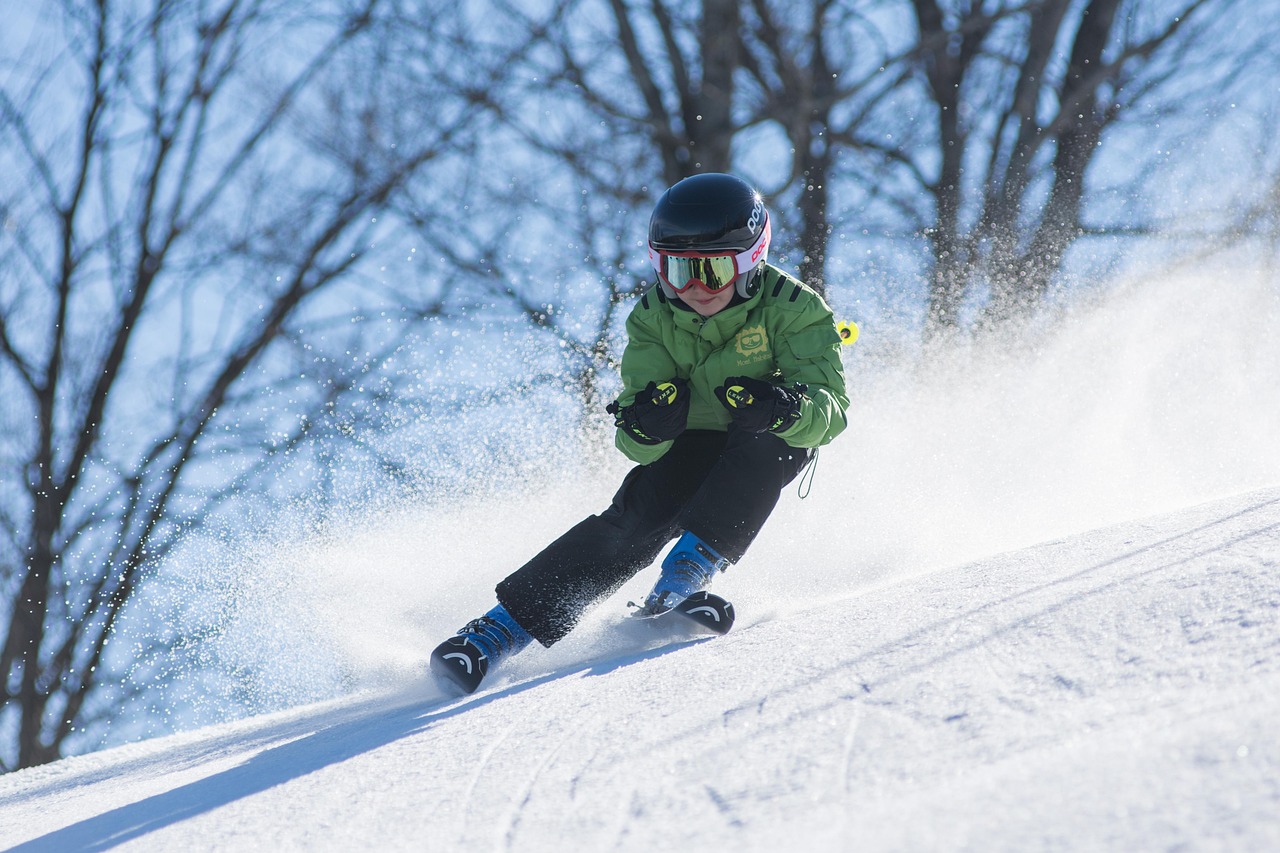
One popular winter sport for children is skiing, a versatile activity that can cater to various skill levels. Skiing provides an excellent full-body workout that improves strength, balance, and flexibility. To get started, parents can enroll their kids in ski schools, where trained instructors teach essential skills. These schools often emphasize safety, ensuring kids are equipped with the knowledge needed to navigate the slopes. Specialized gear, such as ski boots, poles, and helmets, is vital for safety and performance. Families can consider renting equipment to minimize costs initially. During lessons, children learn proper techniques while having fun with their peers. Skiing also builds confidence as kids progress from beginner to advanced levels. For those who enjoy speed, racing leagues are an exciting option that combines competition with skill development. Moreover, ski resorts often host family-friendly activities, like snow tubing and snowshoe hikes. These options allow children to branch out beyond just skiing while still engaging in winter fun. Overall, skiing offers striking benefits that contribute significantly to a child’s physical development and social skills as they learn to navigate a winter wonderland.
Snowboarding: An Exciting Alternative
Snowboarding is another thrilling winter sport that many kids find appealing. It combines balance, strength, and coordination, making it a fantastic workout. Similar to skiing, snowboarding has varying levels of difficulty, allowing children to progress at their own pace. Many ski resorts offer snowboarding lessons for kids, making it easy for parents to introduce the sport. Instructors work specifically with young learners, teaching essential techniques while ensuring safety. Engaging in snowboarding can help build a child’s core strength and lower body muscles. Kids also learn valuable skills such as perseverance when they face challenges on the slopes. A fun aspect of snowboarding is the sense of community among participants. Kids often bond over shared experiences on the slopes or in classes. Parents can encourage this camaraderie by arranging group lessons or casual outings with friends. Additionally, those interested can compete in snowboarding events to experience the thrill of competition and camaraderie. The vibrant snowboarding culture can also inspire kids, providing them with role models and goals to strive toward. Ultimately, snowboarding offers not only physical benefits, but also a creative outlet for self-expression and teamwork.
Ice skating is yet another beneficial and enjoyable winter sport for kids. This activity encourages aerobic fitness and enhances balance, coordination, and flexibility. Ice skating can be enjoyed recreationally or competitively, giving kids flexibility and numerous options. Many local rinks offer classes tailored specifically for children, focusing on fun while teaching essential skills. Skating is not only a great way to exercise, but it also allows children to express themselves through artistic movements. Joining a figure skating club can provide kids opportunities for socializing and teamwork. Ice hockey is another exciting extension of ice skating, combining speed, strategy, and skill. As kids learn to skate, they can transition to hockey, which builds discipline and teamwork. Parents should encourage kids to wear protective gear, particularly for hockey, emphasizing safety. Furthermore, ice skating can be done alone or with friends and family, making it a versatile winter activity. Many communities host public skating events, bringing families together for enjoyable moments. This festive atmosphere creates fantastic memories that kids can cherish. In summer, kids can look forward to the next winter season as they recall their skating experiences, building excitement for activities ahead.
Snowshoeing: Exploring Nature in Winter
Snowshoeing is a lesser-known winter sport that provides an excellent workout while allowing kids to explore nature. It’s an incredibly accessible activity that requires less skill than skiing or snowboarding and can be enjoyed by children of all ages. Families can easily outfit themselves with snowshoes, which are often available for rent. Snowshoeing can be done on groomed trails or in untamed snow, giving kids a chance to experience the great outdoors. It promotes cardiovascular fitness and strengthens lower body muscles, making it a full-body workout. Additionally, snowshoeing can intrigue children, as they have the opportunity to discover winter wildlife and landscapes. Parents can enhance their kids’ experiences by making it a fun, educational outing while teaching them about animal tracks or local ecology. Group excursions can foster social bonding. Many communities organize snowshoe events that promote family participation and connection with nature. Building teamwork skills is essential for kids as they navigate trails together. Overall, snowshoeing combines exercise, exploration, and education, making it a fantastic winter activity for families to enjoy while strengthening their connection to the natural world.
Creating a winter fitness routine for kids can significantly enhance their physical abilities. Incorporating various sports like skiing, snowboarding, and ice skating can build diverse skill sets. Parents should encourage children to try multiple activities to discover their interests. It’s vital to emphasize fun over competition, especially in the beginning stages. Building endurance takes time, and kids should enjoy the learning process. To foster motivation, families can set goals, such as completing a specific number of ski or skate sessions per month. Additionally, regular family outings can strengthen relationships and motivate children to stay active. Mixing in off-snow workouts, like strength training and flexibility exercises, can complement their winter sports activities. Simple workouts can be adapted using household items for resistance training. Encouraging kids to maintain fitness through diverse activities builds resilience and adaptability. Additionally, families can track progress, celebrating achievements small and large. This not only promotes a healthy lifestyle but also instills a sense of accomplishment. Engaging in winter sports can create lifelong habits in children, promoting health and fitness as they transition into adulthood. All in all, a winter fitness routine nurtures kids’ growth and supports family bonding.
Conclusion: The Lasting Benefits of Winter Sports
Participating in winter sports is undeniably beneficial for kids. These activities offer opportunities for physical development, social skills enhancement, and confidence building. Engaging in skiing, snowboarding, ice skating, or snowshoeing helps children develop essential fitness skills. As they navigate challenging terrains or learn new techniques, they build resilience. Not only that, but these experiences cultivate a love for outdoor activities, encouraging a lifelong commitment to maintaining a healthy lifestyle. Furthermore, winter sports enhance communication and teamwork skills as kids navigate social dynamics with others who share a passion for similar hobbies. Memories created on the slopes, rinks, or trails often become cherished moments. Families can bond over shared experiences, creating connections that extend beyond the winter season. By introducing kids to winter sports, parents empower them to pursue various physical activities throughout their lives. With the numerous physical benefits combined, winter sports play a crucial role in fostering healthy habits and relationships among family members and peers. Finally, as kids participate in winter sports, they build strength, endurance, and confidence that will serve them well throughout their lives. Encourage kids to embrace winter activities and reap the rewards for years to come.
Taking time for self-care is also essential for kids. Sleeping well, eating healthily, and staying active can greatly improve their overall performance in sports. Balancing these factors helps them cope with pressures and stay motivated. Subsequently, ensure there is time for rest and recovery, as these aspects promote a child’s growth and fitness journey. Parents should regularly check in with their kids to keep them engaged and excited about their sports activities. Keeping winter sports fun assists in sustaining their interest and commitment. In conclusion, all the benefits of engaging in winter sports activities during the colder months will create a positive fitness atmosphere for kids. As they learn, grow, and create lasting memories, they develop essential life skills to carry with them. Continuing to foster winter sports can contribute positively to their health and wellness, affecting them for years ahead. Encouraging participation may lead to new friendships, adventures, and passions that will inspire them into adulthood.