
Surgical Treatment Strategies for Labral Tears in Athletes
Labral tears in athletes are critical injuries that often cause pain and compromised performance. Understanding the surgical treatment options available is vital for athletes looking to return to their sport. Achieving optimal functional outcomes is dependent on pinpointing the severity of the tear, pinpointing the location of the injury, and assessing any additional damages that may exist. The labrum, which provides stability to the shoulder or hip joint, can be repaired through various techniques depending on the tear’s specific characteristics. Common surgical options include arthroscopic labral repair or debridement. Each has its own set of advantages and disadvantages for recovery timelines and rehabilitation processes. Athletes should also consider their sport’s unique demands when exploring surgical options, as different sports often have varying levels of physical intensity and impact on joint movements. Following proper rehabilitation protocols post-surgery is equally important as the surgery itself. Engaging with a multidisciplinary medical team specializing in sports injuries can benefit the athlete by creating a tailored rehabilitation program. Ultimately, these measures aim to facilitate a successful return to sport while minimizing the risk of re-injury.
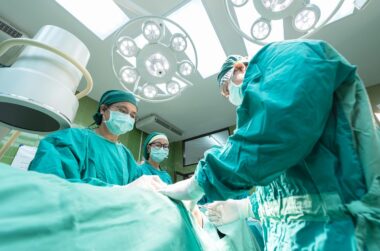
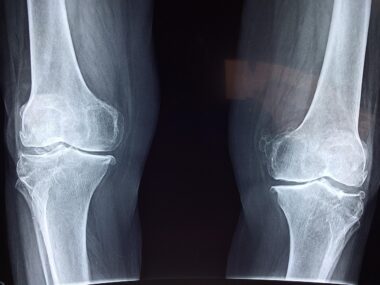
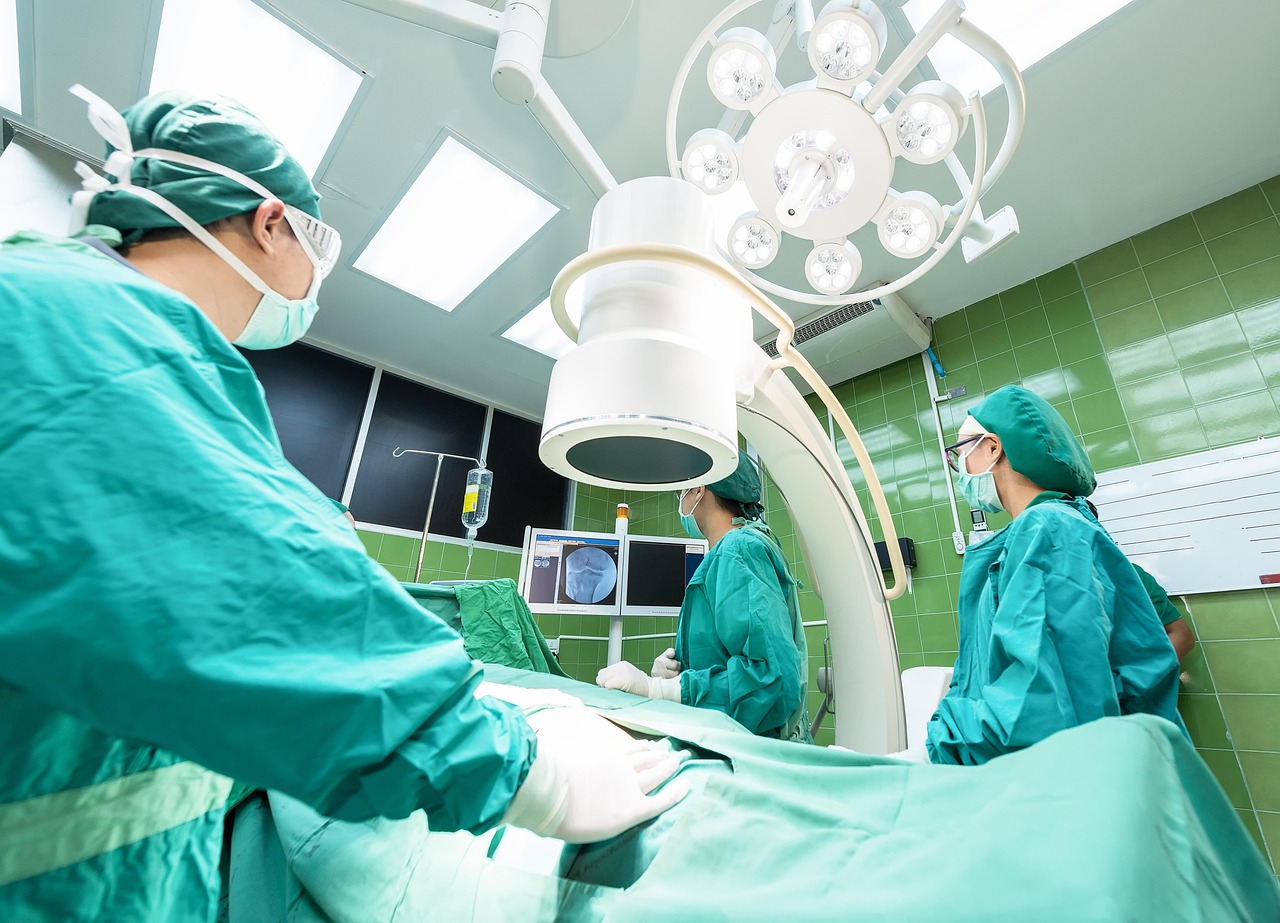
Successful surgical treatments for labral tears require thorough assessment and precise surgical intervention. Preoperative diagnostics play a crucial role in determining the best approach. This includes detailed imaging studies such as MRIs, which help visualize the tear’s extent and any other joint-related issues. Surgeons often recommend minimally invasive arthroscopic procedures, which provide enhanced visibility and precision. Post-surgery, the rehabilitation phase is critical in ensuring a smooth transition back to sports participation. Physical therapy focuses on restoring range of motion, strength, and overall functionality. It may also involve specific exercises tailored to the athlete’s sport. Patient adherence to the rehabilitation protocol significantly influences recovery outcomes. Some athletes might also explore alternatives or adjunct therapies like platelet-rich plasma (PRP) injections, which may promote healing. Proper follow-ups with the surgical team help monitor the progress and adjust rehabilitation strategies as required. Furthermore, athletes should remain engaged in understanding their recovery process, empowering them to make informed decisions about their treatment. Overall, a comprehensive approach to surgical treatment strategies concerning labral tears enhances an athlete’s chances of recovering successfully and returning to competitive levels.
Rehabilitation Strategies Following Surgery
Following surgical treatment for labral tears, implementing an effective rehabilitation strategy is paramount. Athletes must engage in a structured rehabilitation program designed to facilitate optimal healing. The journey typically begins with active rehabilitation, focusing on restoring flexibility and gradual strength training. Physical therapists tailor exercises based on the surgery type and the athlete’s specific needs. This process usually progresses through various stages: passive range of motion, active range of motion, and finally, resistance exercises. Core stability is often a focus area due to its importance in overall athletic performance. Additionally, proprioceptive and balance training helps in regaining control over joint movements, ensuring robust neuromuscular coordination post-injury. Education about the surgical procedure and recovery expectations can foster improved compliance with rehabilitation regimes. Utilizing modalities such as ice, heat, or electrical stimulation can assist in managing pain and inflammation during early stages of recovery. Furthermore, incorporating functional training exercises that mimic sport-specific movements can prepare athletes for a successful return to competition, enhancing their confidence in the repaired joint. These strategic rehabilitation efforts are vital for reducing re-injury rates while promoting long-term joint health.
As athletes return to sport, understanding the timeline for recovery post-labral repair surgery becomes increasingly important. Recovery trajectories can differ broadly based on surgery type, tear severity, and individual healing capabilities. Generally speaking, many athletes can expect a recovery period of four to six months before returning to full competition, though this can vary. It is crucial for athletes to assess not only their physical readiness but also mental preparedness to ensure a sustainable return to sports. Fear of reinjury can sometimes hinder recovery. Mental strategies, including visualization and building self-efficacy, may play a supportive role during rehabilitation. Coaches and trainers also serve as vital components in this phase, providing moral support and helping athletes regain sport-specific readiness. Outlining clear goals and benchmarks throughout recovery can assist in maintaining athlete motivation. Regular communication with the medical team helps in identifying any emerging obstacles. As athletes regain strength and mobility, gradual reintroduction to sport-specific drills is advised. Ultimately, patience, diligent rehab adherence, and a determined mindset can significantly enhance recovery experience while ensuring athletes can safely return to their competitive routines.
Minimizing the Risk of Re-injury
Minimizing the risk of re-injury following labral surgery is essential for athletes aiming for a successful sports career. First and foremost, athletes and their medical teams must understand the underlying mechanics of the injury. Comprehensive education about body movements that could lead to injury recurrence is crucial. Collaborative strategies for injury prevention involve ongoing conditioning and strength training focused on stability around the affected joint. Athletes should re-engage with their sport gradually, avoiding high-impact drills until they are fully prepared. Additionally, implementing a maintenance program post-recovery can ensure that the athlete continues to build joint stability and overall fitness. Employing proper warm-up and cool-down routines should become standard before engaging in any physical activity. Regular check-ins with coaches and therapists can help monitor athletes’ physical status and readiness. Moreover, athletes may benefit from the guidance of athletic trainers to ensure their techniques remain sound and prevent undue stress on the joints. Incorporating these preventive measures creates an environment where re-injury rates are reduced, ensuring athletes can continue their careers with confidence and optimal performance over time.
In conclusion, rehabilitation and minimally invasive surgical techniques represent a comprehensive approach to managing labral tears in athletes. By embracing a customized rehabilitation strategy, athletes can optimize their recovery, minimizing the likelihood of re-injury. The surgical options available, paired with focused rehabilitation, offer the best chances for athletes to return to their sport effectively. The collaborative relationship among athletes, coaches, physicians, and physical therapists is vital for fostering an environment conducive to successful recovery. Key factors such as individualized attention to rehabilitation progress and emotional support from professionals can empower athletes during challenging recovery phases. Furthermore, knowledge about labral tears and their implications enables athletes to make informed decisions about their health and sport participation. Rehabilitation doesn’t stop once athletes step back onto the field; it continues as they adapt to the physical and mental demands of competitive sports. As advancements in surgical methods and rehabilitation techniques progress, ongoing research and community education will further refine these strategies for improved outcomes. Ultimately, approaches to surgical treatment strategies for labral tears will continue evolving, emphasizing patient-centered care and long-term health preservation for athletes.
Staying informed about advances in sports medicine and surgical techniques is crucial for athletes and healthcare providers alike. Workshops, seminars, and online forums can be valuable resources for gaining knowledge and understanding the latest approaches to managing labral injuries. Networking with fellow athletes who have undergone similar experiences can provide emotional support and shared insights. Furthermore, athletes should not hesitate to advocate for their health needs, seeking second opinions and exploring advanced surgical options when necessary. Such measures ensure athletes remain active stakeholders in their recovery journeys. Continuous professional development for coaches and trainers is also essential, ensuring they have the tools to support injured athletes adequately. Promoting awareness about joint health, injury prevention strategies, and rehabilitation processes can greatly benefit overall athlete care. Long-term, prioritizing education and collaboration among all parties involved in an athlete’s recovery is fundamental. Working together can enhance the knowledge base, leading to improved recovery and performance post-surgery. By adopting this comprehensive approach to labral tears, athletes can look forward to a future in sports that is both safe and sustainable.
The journey from injury to recovery is a challenging yet enlightening experience for athletes. Throughout this process, they gain insights not only about their bodies but also about the importance of resilience, commitment, and healthcare advocacy. Labral injuries, when managed with an informed approach, do not have to signify the end of an athletic career. On the contrary, they can lead to empowered athletes who are more aware and engaged regarding their health and training. Ensuring thorough communication with healthcare providers and a structured postoperative plan can significantly increase athletes’ confidence during recovery. This confidence transitions back into competitive sports as they rediscover their capabilities. Furthermore, the role of mental wellness is often underestimated; athletes should focus on promoting mental health alongside physical rehabilitation. Coping strategies such as mindfulness training are becoming increasingly recognized as helpful tools during recovery. Engaging in discussions surrounding health and well-being also serves to normalize athletes’ experiences post-injury, breaking down barriers to communication. Ultimately, success following labral surgery is not just measured by physical return to sport but also encompasses emotional healing for athletes racing back into the game.