
Analyzing Biomechanical Data Through Fitness Trackers
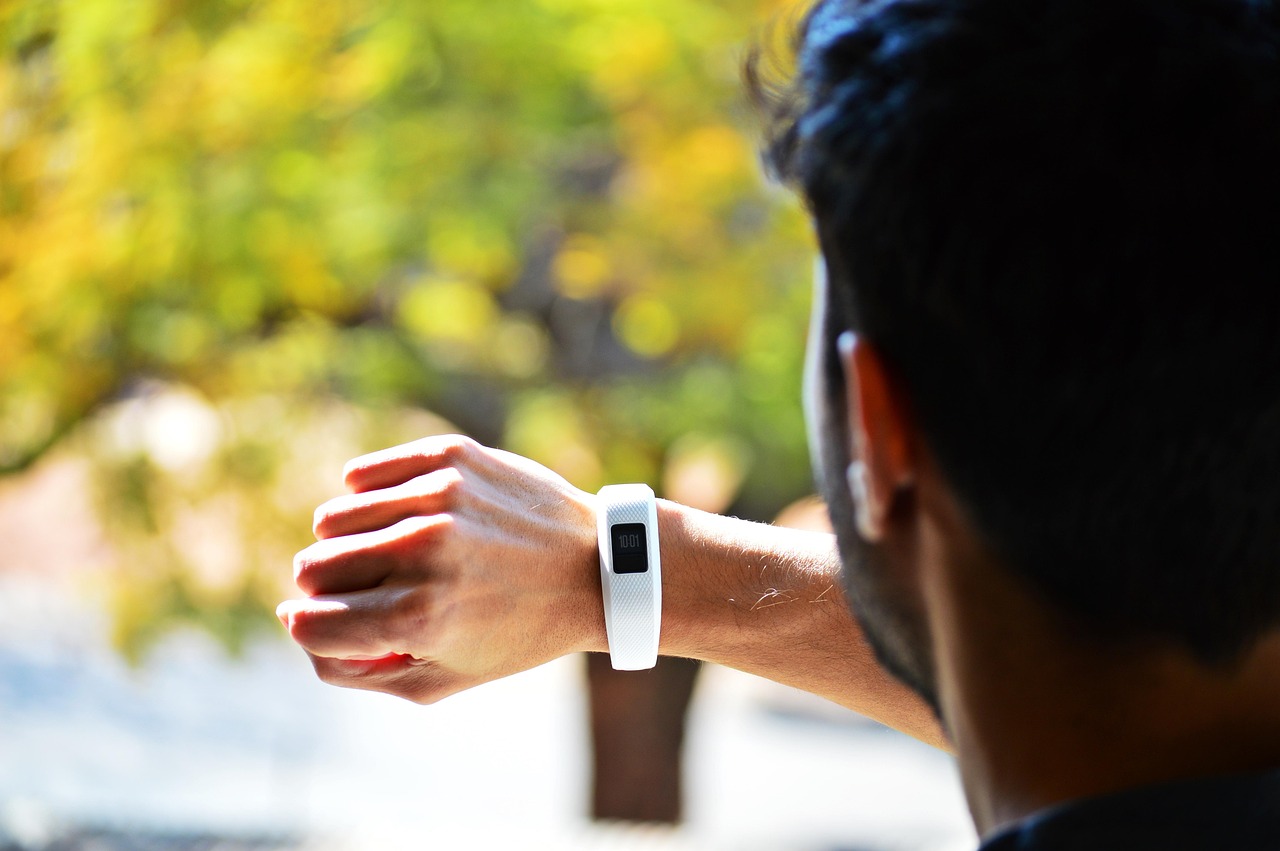
In today’s competitive sports landscape, the integration of technology has drastically transformed how athletes and coaches approach training. Fitness trackers have become vital tools that provide real-time biomechanical data, enabling athletes to monitor their performance closely. These devices collect intricate details, such as heart rates, movement patterns, and even muscle exertion, which can help improve overall athletic performance. Utilizing this data effectively allows for adjustments in training regimens that are tailored to individual needs and goals. Furthermore, this personalized approach to fitness training can lead to better injury prevention measures. With accurate feedback from fitness trackers, athletes can identify overtraining or improper techniques that may lead to injuries. Monitoring biomechanics through these devices empowers athletes to enhance their efficiency and effectiveness during training sessions. The continual assessment enables athletes to focus on critical areas that require improvement. This specific focus can lead to noticeable improvements in performance and injury risk reduction. Moreover, it strengthens the connection between athletes and their coaches as they collaborate on data-driven adjustments. Ultimately, fitness tracking technology supports athletes in reaching their highest potential with innovative insights and constant progress tracking.
The evolving capabilities of fitness trackers have notably influenced the analysis of biomechanics in sports. These devices capture essential data such as speed, endurance, and movement efficiency. By monitoring specific parameters, athletes can gain insights into their physical capabilities. For example, data on stride length and frequency aids distance runners in optimizing their running style for better performance. Additionally, advancements in sensor technology have allowed for the measurement of joint angles and body posture during activity. This biomechanical feedback is crucial for athletes across various sports as they seek to refine their techniques. Coaches can use the analyzed data to develop tailored training programs that enhance performance. The use of analytics in sports not only benefits elite athletes but also serves amateur enthusiasts who aim to improve their game. New algorithms analyze vast amounts of collected data, identifying patterns that were previously overlooked. Detailed reports can outline strengths and weaknesses, guiding athletes in their quest for improvement. Consequently, the integration of fitness trackers into sports is revolutionizing how athletes receive feedback. This real-time quantitative assessment significantly aids in honing skills and maximizing athletic performance, illustrating how technology reshapes traditional coaching dynamics.
The impact of fitness tracking technology on sports biomechanics is profound. Athletes in various sports, from running to cycling, rely on this technology to gain a competitive edge. They harness the power of data analytics to fine-tune their training regimes. In particular, biomechanics data allows athletes to understand their movements in detail, leading to informed decisions about their training. These insights facilitate the tailoring of workout plans that align with individual needs. For instance, a runner may use feedback on their gait to make adjustments that enhance speed and reduce fatigue. Additionally, sports corporations have invested heavily in developing advanced fitness trackers that can track and analyze biomechanical data over time. This continual process of refinement can lead to revolutionary changes in how athletes prepare for competitions. As more athletes adopt such technology, the collective data contributes to broader trends in performance improvement across sports disciplines. Physical therapists and sports trainers also benefit from this trend, as they can better understand the physical demands placed on athletes. Overall, integrating fitness tracking into sports biomechanics not only nurtures individual excellence but also pushes the boundaries of the sporting world.
As sports analytics continue to thrive, biomechanical assessments through fitness trackers are gaining importance. Athletes now possess the capability to monitor physiological metrics effortlessly, leading to groundbreaking insights into their performance. The application of machine learning algorithms enhances the accuracy of biomechanical analysis derived from fitness trackers. By analyzing historical data, coaches and trainers can pinpoint trends relevant to performance outcomes. These analytical capabilities have revolutionized how strength and conditioning programs are developed. Coaches can identify the optimal training loads for individual athletes, ensuring they train within their optimal performance thresholds. Consequently, they can stimulate muscle growth effectively while minimizing overuse injuries. Moreover, fitness trackers provide real-time feedback, which allows for immediate corrections in technique. Such real-time data is crucial during practice sessions when adjustments can be made on-the-spot, fostering continuous improvement. As a result, athletes become more agile and responsive to training demands. The growing interest in data-intensive approaches in sports is supported by the increasing number of wearable devices available on the market. These advancements highlight the crucial intersection of technology and human performance, paving the way for a future defined by analytics-driven training methodologies.
Adoption of Fitness Trackers in Performance Analysis
The adoption of fitness trackers in performance analysis is reshaping athletic development. Athletes can collect data during workouts that can later be analyzed for insights on performance improvements. This data can include metrics such as distance traveled, elevation gained, and calorie expenditure, which all significantly impact training efficiency. Coaches have started using this historical data to compare performances in various conditions. For instance, they can observe how an athlete performs under fatigue or after a period of rest. Understanding these dynamics can directly influence training scheduling and recovery protocols, ensuring athletes do not experience burnout. Additionally, the ease of access to biomechanical data through fitness trackers fosters a culture of self-improvement among athletes. By always having performance metrics at their fingertips, athletes are motivated to push their limits. This transformative approach, characterized by continuous assessment and feedback, is crucial in competitive sports. As fitness trackers continue to evolve, their functionality is likely to expand, bringing even more biomechanical insights into the training process. The future of sports is marked by a deep integration of technology, as performers strive for excellence through improved understanding and analysis of their biomechanics.
The role of coaches is also evolving alongside the rise of fitness trackers and the analytics that accompany them. Coaches are now data liaisons, interpreting a wealth of information to optimize athletes’ training strategies. The data provided by fitness trackers assists coaches in devising specific workout regimens designed for each athlete. Coaches can tailor these plans based on personalized metrics derived from biomechanics data. This helps each athlete perform at their best while ensuring their safety and well-being. Data-driven insights empower coaches to make informed decisions that support immediate performance enhancement and long-term athletic development. As performance analysis shifts from subjective observations to objective data, the importance of understanding analytics cannot be overstated. Both coaches and athletes can benefit immensely from thorough analysis of biomechanical data. Additionally, symposiums and workshops focused on sports analytics are becoming commonplace, emphasizing the need for continuous learning in the field. These educational opportunities further develop the skills of coaches and trainers, enabling them to utilize fitness tracking technology effectively. The partnership between athletes, coaches, and data analytics represents a significant move forward, optimizing performance and driving success in competitive sports.
The Future of Biomechanics and Data Tracking
Looking ahead, the future of biomechanics and data tracking appears highly promising. The continuous advancement in technology will play an essential role in the evolution of fitness trackers. For example, innovations in sensor capabilities are expected to provide even more precise data on various biomechanical parameters. This increased precision will yield deeper insights into performance patterns, enhancing athletes’ training. Additionally, augmented and virtual reality technology may integrate with fitness trackers for enhanced coaching experiences. Athletes may benefit from simulated training environments that provide biomechanics feedback in real time. The ultimate goal is to create a comprehensive analysis view that highlights areas for improvement and potential injury risks. Furthermore, collaboration between technologists, scientists, and athletes is vital to refine current devices. By working together, all stakeholders can ensure that wearable technologies effectively meet the evolving needs of sports professionals. Moreover, ethical considerations surrounding data privacy and ownership will become critical topics as more athletes share their personal data. Ensuring that athletes have control over their information will be essential. As we embrace this future, the combination of biomechanics and advanced tracking presents new opportunities for athletic advancement, performance enhancement, and injury prevention.
In conclusion, analyzing biomechanical data through fitness trackers has reshaped the landscape of sports and athletics. The incorporation of advanced tracking technology has provided athletes and coaches with profound insights that were previously unattainable. Enhanced analysis of data allows for individualized training plans, injury prevention strategies, and improved performance outcomes. As we move into a future driven by data analytics, the relationship between athletes and their tracking devices will continue to evolve. Leveraging ongoing advancements in technology—from artificial intelligence to real-time feedback—will further deepen the understanding of biomechanics in sports. Moreover, the growing prominence of sports science further emphasizes the necessity for thorough analysis and interpretation of performance data. In this new era, athletes are not only competing against their opponents but are also racing to optimize their own abilities through data-driven insights. Understanding biomechanics using fitness trackers creates a culture of mindfulness about one’s physical performance. The integration of technology into sports training illustrates the importance of adaptation and innovation. Consequently, as fitness trackers become more sophisticated, they will play an even more prominent role in athletic success, ensuring the future of sports is increasingly data-focused and performance-oriented.