
Pioneers of Modern Obstacle Course Racing
Obstacle course racing (OCR) has roots tracing back to ancient military training practices. These historical formats included various physical challenges designed to assess strength, endurance, and agility. Influential figures like the ancient Greeks and Romans incorporated obstacle courses into their soldier training regimens. However, the modern revival of OCR began in the 1980s and 1990s with events like the Tough Guy Challenge in the UK. This unique race combined a cross-country run with elaborate physical challenges. Participants faced a range of obstacles, from mud pits to barbed wire. The event gained considerable popularity, inspiring similar races worldwide and leading to the formation of a community of endurance athletes. Pioneers such as Billy Wilson and others played significant roles in popularizing OCR as they designed courses that integrated various fitness practices. In contrast to traditional running races, OCR requires training for both distance running and obstacle navigation, making it an exciting and diverse challenge. As the OCR community grew, so did the number of events, ultimately leading to the establishment of organizations that regulate the sport and honor its athletes.
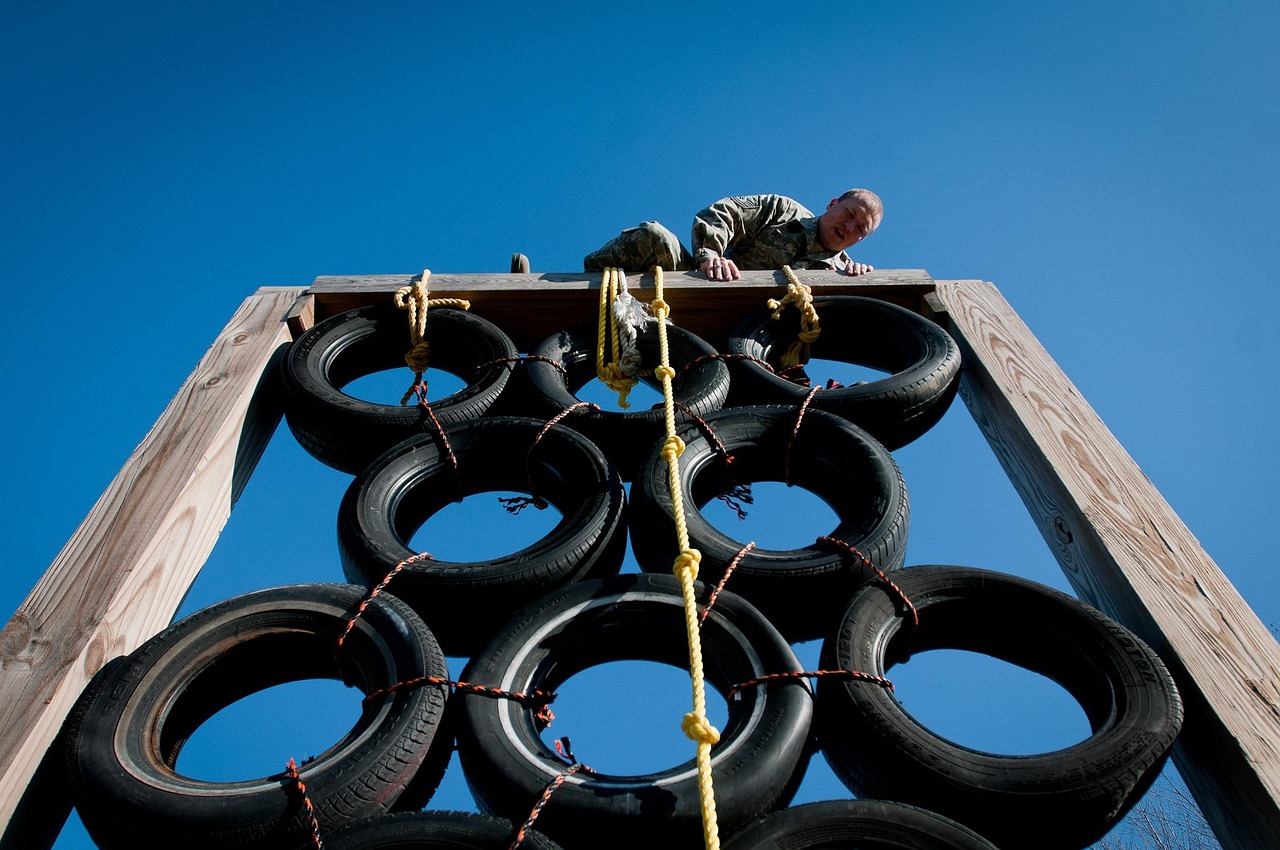
The introduction of competitive formats set the stage for how OCR evolved over the years. Major events such as the Spartan Race significantly contributed to the sport’s visibility and popularity. Founded in 2010, Spartan Race rapidly grew in global reach, offering events at various difficulty levels, including sprint distances. The allure of such races lies in the combination of physical challenges and a very engaging fan base. Notably, Spartan events have featured multiple types of obstacles ranging from wall climbs to rope nets. These thrilling formats not only attracted participants but also spectators interested in witnessing extreme feats of strength and endurance. In addition to Spartan races, other organizations, including Tough Mudder, have created their unique formats, inviting teams to face off against each other in a friendly yet adrenaline-pumping environment. The rise of the social media era further aided promotion, with athletes sharing their experiences and inspiring others to join the movement. As more athletes sought to push their boundaries, OCR gained credibility as a sport, complete with ranking systems and championship events showcasing elite competitors.
Popular Events and Their Impact
As OCR gained popularity, many iconic events emerged worldwide, significantly influencing its growth and development. Events such as the World’s Toughest Mudder have become milestones in the racing calendar. The format challenges participants to complete as many laps as possible within a designated time, typically 24 hours, thus pushing competitors’ limits. Additionally, the introduction of World Championships for OCR has heightened the competitive aspect, drawing top athletes and generating global interest. These prestigious competitions combine physical and mental challenges, pushing racers to their limits while providing thrilling displays of athleticism. Moreover, increasing media coverage has highlighted personal stories of triumph and perseverance within the OCR community. Individuals often share their experiences, creating a sense of community among participants while motivating novice athletes to join the ranks. Consequently, stories of ordinary people overcoming obstacles have emerged as powerful narratives that resonate. This growth has not only popularized OCR but has drawn attention to the benefits of physical fitness, thus fostering a sense of belonging and camaraderie among participants from diverse backgrounds throughout the world.
The Role of Technology in OCR
The technological advancements surrounding obstacle course racing have also transformed the experience for both participants and organizers. For instance, organizations began utilizing timing systems equipped with RFID technology to track individual racers efficiently. This innovation allows for accurate results on race day, improving the overall experience for competitors and eliminating potential confusion. Similarly, race organizers embraced social media as a powerful tool for promoting events and engaging with participants. Platforms like Instagram and Facebook serve as outlets for sharing training tips, race previews, and post-race recaps. Additionally, technological improvements in obstacle design have enhanced race safety and engagement. Obstacles are now created using advanced materials that withstand heavy use while providing a consistent challenge to participants. Videos capturing obstacles and tactics uploaded by former competitors serve as invaluable resources for athletes hoping to achieve success in the sport. These technological evolutions not only enhance athletes’ performance but also contribute to creating a more enjoyable spectator experience, essential for OCR’s ever-expanding fan base committed to nurturing a vibrant scene of fitness enthusiasts.
Furthermore, the incorporation of fitness apps and wearables into training programs has encouraged many aspiring OCR racers to track their progress. As individuals prepare for upcoming events, apps such as Strava and Fitbit offer comprehensive tracking of crucial metrics. These tools allow athletes to analyze their endurance, strength, and overall fitness levels, resulting in tailored training regimens targeting specific areas. Maintaining motivation is often a significant challenge for athletes undergoing intense training, and these applications provide support through community features and challenges. The ability for participants to connect with others, share their experiences, and engage with fellow OCR enthusiasts cultivates a sense of accountability and camaraderie among racers. Moreover, the accessibility of online training programs and tips on overcoming various obstacles fosters an environment for athletes to excel. As more resources become available, new athletes have an opportunity to design their paths toward success and confidently engage in OCR. Hence, it is evident that the marriage between technology and OCR has played a vital role in elevating the sport to new heights, ensuring its longevity and relevance in modern fitness culture.
Future Prospects of OCR
With the increasing popularity of obstacle course racing, its future seems bright, poised for growth on multiple fronts. New races continue to be established, catering to varied audiences and fitness levels, including family-friendly events that encourage participation from younger generations. The emphasis on community and storytelling ensures that OCR remains appealing while fostering connections among participants from diverse backgrounds. As more individuals discover the thrill of tackling obstacles, the industry may witness greater levels of inclusivity and impact through charity events. Combining physical challenges with fundraising initiatives allows racers to give back while achieving personal fitness goals. Moreover, as OCR evolves, innovative approaches to obstacles and race formats will emerge, keeping the sport fresh and engaging. The blending of OCR with other endurance sports could lead to even more diverse experiences, attracting new participants looking for unique challenges. Additionally, local communities playing host to these types of events will likely contribute to tourism and local economies. A dedicated fan base ensures high participation rates, paving the way for new sponsorship and collaboration opportunities. Overall, the journey of OCR is still unfolding, and an exciting future awaits!
The development of OCR has laid a strong foundation steeped in tradition yet rich with modern innovation. The pioneers who shaped this sport contributed significantly to its growth while paving the way for future athletes. As participation continues to grow globally, the desire to conquer personal challenges motivates individuals from all walks of life to embrace OCR. At its core, obstacle course racing embodies the essence of competition—pushing boundaries and embracing struggles. This spirit is reflected in the ever-evolving landscape of OCR, where the enthusiasm of participants meets the creativity of organizers to craft exhilarating experiences. OCR’s unique ability to blend community, fitness, and adventure provides a platform for personal growth and self-discovery. With numerous opportunities to test one’s limits while building strong bonds with fellow racers, OCR proves an inspiring sporting community. As we embrace the future of obstacle course racing, it remains crucial to uphold values of inclusivity, sportsmanship, and determination that attracted us to this movement in the first place. Anticipation builds for what lies ahead as both veteran and new racers continue their journeys in this exhilarating world of physical challenges.
As we celebrate the rich history of obstacle course racing and the pioneers driving its innovation, we also honor the passionate community behind the sport, which is essential to its ongoing success. Acknowledging the contributions made by legendary figures keeps their legacies alive while inspiring future generations of racers equipped with the perseverance to overcome any challenge. Extending beyond physical fitness, the impact of OCR stretches into mental resilience and camaraderie among participants. The notion of triumph over adversity resonates deeply with the athletes and supporters alike, reinforcing the community’s bond. Moreover, the collective experiences shaped by countless individuals fuel further exploration into uncharted territory within the world of OCR. This adventurous spirit invites newcomers to join the ranks and embrace the transformative power of facing challenges head-on. As we look to the horizon, one thing is certain: the future of obstacle course racing is an exciting prospect set within a vibrant and ever-changing environment. With unwavering commitment to growth, innovation, and shared experiences, OCR will undoubtedly continue inspiring athletes as they embark on memorable adventures while conquering obstacles together.