
Analyzing Foot Biomechanics in Elite Soccer Players
Foot biomechanics is a crucial aspect of sports science, particularly in soccer, where elite players rely heavily on their feet for performance. Understanding how foot mechanics influence athletic ability can enhance training methods and prevent injuries. Players often experience unique biomechanical stresses due to the demands of the game. Biomechanics focuses on studying the mechanics of foot movements, encompassing factors such as force application, joint angles, and energy expenditure. The interplay between these factors determines how effectively a player can accelerate, decelerate, and change direction. Consequently, assessing foot biomechanics reveals significant insights into optimizing a player’s performance while minimizing injury risks. Elite soccer players must harness their foot biomechanics not only to improve their game but to support their long-term health. By implementing targeted exercises and interventions, coaches can refine foot mechanics and create tailored training regimens. Moreover, understanding the link between foot biomechanics and overall soccer performance can lead to innovations in footwear design, enhancing player comfort and efficiency on the field. Research in this area is rapidly advancing, encouraging ongoing exploration into the mechanics of the foot and its critical role in soccer.
Key Aspects of Foot Function
A fundamental aspect of foot biomechanics involves the study of gait and foot function during soccer activities. Players utilize several foot components, including the arches, tendons, and ligaments, to produce the required power and precision in their movements. The foot’s anatomy allows for a dynamic balance, crucial for performing complex maneuvers such as dribbling, passing, and shooting. Each soccer play demands a different biomechanical response, which requires adaptability and strength in the foot. Effective foot function hinges upon the cooperation between the joints, muscles, and soft tissues, ensuring stability and mobility. Any imbalance in this system can result in compromised techniques, affecting the player’s overall performance. Furthermore, understanding how specific techniques influence biomechanical patterns enables coaches to tailor training programs effectively. By focusing on agility and strength in the foot, players can sharpen their skills and enhance their aptitude in gameplay situations. Proper tracking and analysis of motion mechanics during practice can guide players in optimizing their footwork, thus reinforcing important skills that can be critical during matches. These insights can contribute to better game strategy and performance evaluation.
Injuries are a notable concern among elite soccer players, often influenced by biomechanics. Specific injuries related to foot mechanics include ligament sprains, tendonitis, and stress fractures, all of which can significantly impact an athlete’s career. Monitoring foot biomechanics allows trainers to identify risk factors associated with these injuries. For instance, lower extremity alignment and foot strike patterns play a vital role in predicting injury susceptibility. By assessing these factors, coaches can implement preventive strategies tailored to individual player needs. Strengthening the muscles around the foot and ankle enhances stability and reduces the risk of injuries. Moreover, analyzing foot biomechanics enables precise adjustments in footwear choices, ensuring that players have the right support and cushioning to maximize performance. Increased awareness about the biomechanics of the foot encourages regular screenings and biomechanical assessments, fostering a proactive approach to injury prevention. Ultimately, maintaining foot health through appropriate training, rehabilitation, and equipment selection allows players to extend their careers and sustain high levels of performance. A holistic assessment of injury risks in relation to biomechanics is essential to foster a safe competitive environment for elite soccer players.
Impact of Training on Foot Biomechanics
The role of training in optimizing foot biomechanics cannot be overstated, as it leads to enhanced performance in soccer players. Specific drills focusing on agility, stability, and strength training contribute to developing the necessary athletic skills. Incorporating plyometric exercises helps improve explosive speed and quick directional changes by utilizing the natural mechanics of the foot. Conditioning programs should include balance and stability training, emphasizing the importance of intrinsic foot muscles essential for maintaining posture and mobility. By examining the influence of various exercises, it becomes evident that tailored training regimens can improve proprioception – the body’s awareness of movement in space. Furthermore, soccer-specific drills that mimic game scenarios allow players to practice footwork in a realistic setting, enhancing their adaptability on the field. Coaches must monitor individual progress and adjust training strategies accordingly. Variations in foot placement, ankle mobility, and surface interaction can significantly impact performance outcomes. Thus, continuous evaluation and assessment are vital for maximizing foot biomechanics through training. Optimal training programs must adapt and evolve based on biomechanical understanding to meet the relentless demands of competitive soccer.
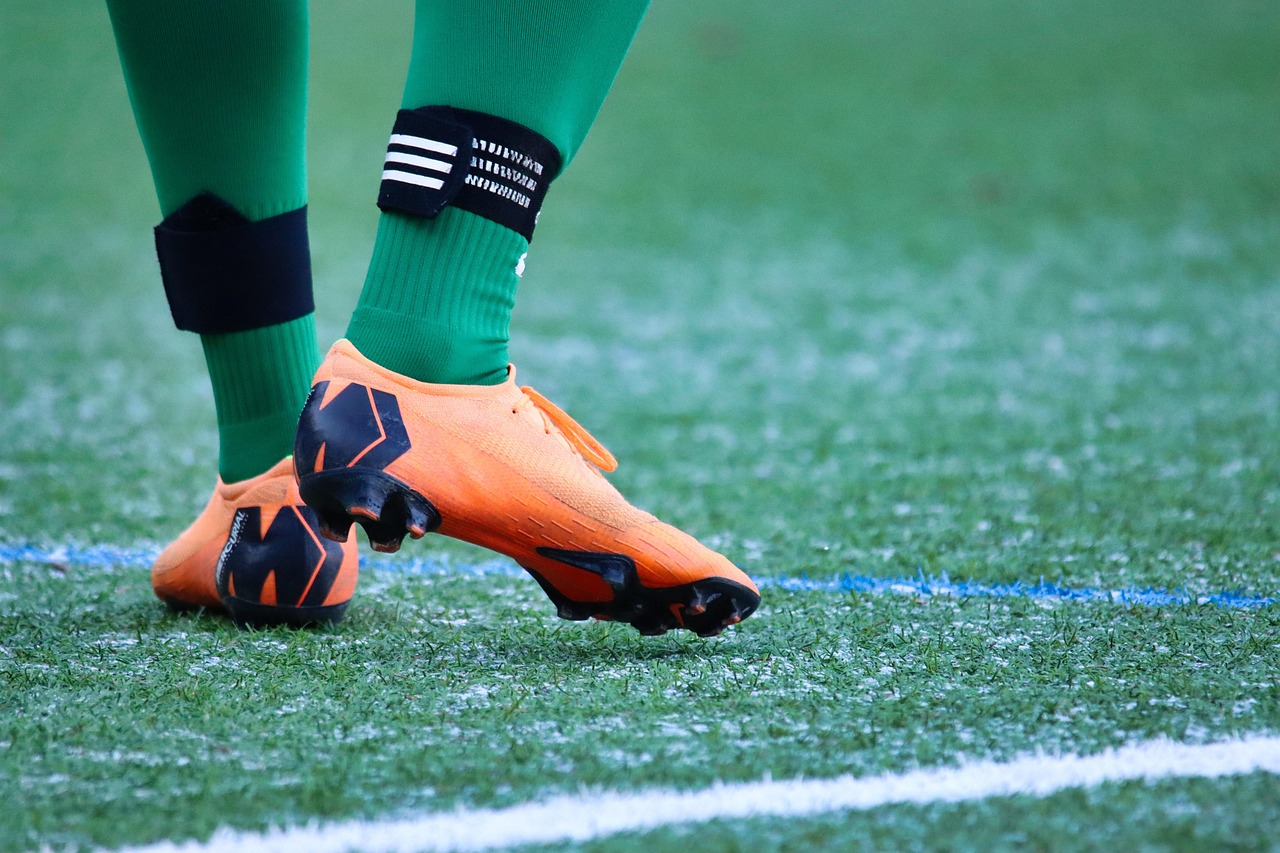
Soccer footwear plays a crucial role in enhancing foot biomechanics. The right shoe can significantly impact a player’s efficacy on the field. Soccer cleats, for example, are designed to provide both traction and comfort, directly influencing how players move and maintain balance. Features such as the sole construction, cushioning, and fit can either support or hinder optimal foot mechanics. Having a personalized shoe fitting ensures that players receive appropriate mechanical support while avoiding unnecessary discomfort. As advancements in technology continue to improve footwear design, players can benefit from innovations that complement their foot biomechanics. This understanding extends beyond performance; it also encompasses foot health and injury prevention. Flexible materials and strategically placed reinforcements in cleats enhance comfort and reduce stress on the joints during rigorous gameplay. Selecting the appropriate footwear can empower players to maximize their potential while minimizing injury risks. Furthermore, combining insightful footwear choices with a comprehensive understanding of biomechanics will provide a significant advantage. Ultimately, the intersection of foot biomechanics and soccer footwear design is an area that warrants continuous research for greater player safety and performance optimization.
The Future of Foot Biomechanical Research
As the field of biomechanics progresses, new research methodologies will enhance our understanding of foot mechanics in soccer players. Advanced technologies such as 3D motion analysis, pressure mapping, and electromyography (EMG) offer invaluable insights into foot function. These tools allow for a more thorough examination of foot biomechanics, presenting opportunities for tailored interventions that improve player performance. Researchers are beginning to explore intricate details of foot movements during game situations, uncovering patterns linked to successful play. This will aid in creating specialized training programs that align with individual biomechanics. The potential for implementing real-time data analysis presents an exciting frontier in biomechanics, enabling coaches to make instantaneous corrections during practice sessions. Furthermore, ongoing research will focus on addressing injuries associated with foot mechanics, ensuring players remain competitive. Collaborative efforts between sports scientists, podiatrists, and coaches will drive this research agenda. Knowledge translation from research findings directly into coaching practices will enhance the athlete’s experience. Looking ahead, the convergence of technology and biomechanics will revolutionize the way soccer players are trained and evaluated, thus defining the future of elite soccer play.
To sum up, an in-depth analysis of foot biomechanics in elite soccer players helps unearth insights that can significantly impact athletic performance. Understanding foot function, the role of training, footwear design, and injury prevention are imperative for developing effective strategies. This understanding requires a collaborative approach, integrating various disciplines to share knowledge and experience. Continuous monitoring of player biomechanics facilitates the collection of valuable data critical for performance enhancement. Improved insights yield targeted training regimens and injury reduction strategies that ultimately optimize players’ capabilities. Coaches and sports scientists must emphasize ongoing education and adaptation as new research emerges. Activities and training methodologies should evolve in response to biomechanical discoveries to maintain progress in elite soccer. The emphasis on foot biomechanics will ensure players remain prepared for the challenges of competitive play. By integrating research findings and practical applications, both players and coaches can achieve desired outcomes. As soccer continues to evolve, the importance of biomechanics will remain a vital component in shaping the future of the sport and fostering a new generation of elite athletes.