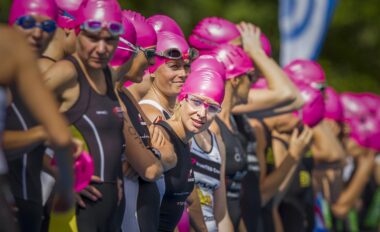

Understanding Motivation and Discipline
Motivation and discipline are two fundamental components influencing the success of triathletes. While motivation incites the initial desire to train, discipline sustains that effort through challenges. Motivation often fluctuates, especially during tough training sessions or when faced with injuries. Triathletes might begin their training motivated by personal goals, competition, or recent successes. However, this excitement can wane, making it crucial for athletes to rely on discipline. Discipline is the practice of adhering to a training schedule, even when enthusiasm dips. It involves creating a routine that prioritizes consistent practice, regardless of external circumstances. To maintain discipline, triathletes can set specific, measurable goals. These can range from shorter competitive events to completing an Ironman, providing athletes with clear objectives to strive for, keeping motivation alive. Additionally, surrounding themselves with supportive communities can bolster both motivation and discipline through shared experiences. Ultimately, understanding and balancing motivation with discipline enables triathletes to navigate their journey gracefully. Identifying personal motivators helps athletes stay committed, while discipline ensures their progress continues, paving the way for the achievements they seek in this physically demanding sport.
Significant Factors for Motivational Strategies
Setting effective motivational strategies is vital for triathletes who aim for success. These strategies often encompass positive reinforcement, visualization techniques, and specific goal-setting practices. Positive reinforcement can range from treating oneself after achieving milestones, whether through external rewards or simply enjoying rest days. Visualization involves mentally picturing the desired outcomes during training or races, enhancing self-confidence and fortifying resolve. Additionally, breaking down long-term goals into more manageable, short-term targets is essential. This segmentation not only prevents overwhelm but also allows for regular assessment of progress, fostering a dynamic training atmosphere. It’s essential for triathletes to remain flexible in their training plan, adapting strategies as needed due to varying life circumstances or unexpected challenges. Incorporating enjoyable elements into training, such as varied terrains or engaging workout partners, further amplifies motivation. Physical and mental wellbeing intertwine, and the more enjoyable the journey becomes, the more dedicated the athlete remains. Developing a motivational mindset is an ongoing process that requires mindfulness and adaptability, continually adjusting strategies to find the most effective path toward meeting one’s triathlon aspirations.
The Role of Discipline in Training
Discipline serves as the backbone for triathletes aspiring to achieve their goals consistently. It is a commitment to follow a structured training plan despite emotional fluctuations and external pressures. Creating a disciplined training schedule enables athletes to refine their necessary skills in swimming, biking, and running. This involves not only setting daily workout targets but also adhering to nutrition plans crucial for optimal performance. Triathletes benefit from maintaining a rigorous yet flexible approach. While discipline is about sticking to the plan, it should also encompass listening to one’s body. Rest and recovery are essential aspects of any training schedule. Ignoring them can lead to injuries and burnout, which ultimately derail progress. Additionally, cultivating resilience through mental discipline can enhance performance under stress, essential during competitions. Techniques such as mindfulness meditation or journaling can foster mental strength, making it easier to overcome obstacles. A disciplined mindset encourages the development of a healthy relationship with training, fostering appreciation for the journey as much as the end goal. The commitment embedded in discipline ultimately shapes long-term success for triathletes, transforming aspirations into achievements.
Balancing Motivation and Discipline
Finding a harmonious balance between motivation and discipline is crucial for triathletes aiming for long-lasting success. Achieving this equilibrium involves recognizing when motivation wanes and proactively implementing strategies to reignite that spark. One effective approach is maintaining a consistent training routine that integrates motivation-promoting practices, such as varying workouts or introducing new challenges. Triathletes can also engage with like-minded individuals, forming training groups that foster camaraderie and competition, further enhancing motivation. Additionally, diversifying training regimes not only prevents monotony but also skill enhancement. Emphasizing variety in training can keep motivation high and ensure athletes remain engaged in their objectives. Have a backup plan for days when motivation dips, ensuring discipline takes charge to maintain momentum. Another essential aspect is self-reflection, helping athletes identify moments of stagnation or lack of progress. Journaling feelings and experiences can provide insights into personal drivers, be they environmental or psychological. Recognizing both motivation and discipline’s distinctive yet complementary roles creates a more holistic training approach. This relationship ultimately serves to empower triathletes, leading them confidently towards their goals while enjoying the process along the way.
Harnessing External Resources
Utilizing external resources plays a pivotal role in enhancing both motivation and discipline for aspiring triathletes. Athletes can leverage numerous resources, such as coaching services, training apps, or online communities, to bolster their training experience. Professional coaches offer tailored programs, personalizing regimens to align with specific goals, while also providing an essential accountability factor. Engaging with a skilled coach can instill discipline through regular check-ins, ensuring that progress remains on track. Additionally, various smartphone applications can track workouts, nutrition, and even feelings, promoting self-awareness while adhering to goals. Online triathlete communities can mobilize support, offering encouragement, sharing experiences, and ultimately creating a sense of belonging. Acknowledge that everyone struggles with motivation or discipline at times, and hearing others’ journeys can inspire renewed commitment. Social media platforms also serve as invaluable channels for connecting with seasoned athletes or fellow triathletes facing similar challenges. Sharing experiences can yield valuable lessons and techniques to enhance motivation, bolstering discipline and progress. Therefore, triathletes should actively seek to cultivate this external network, which serves to uplift, inspire, and motivate throughout their training voyages.
The Importance of Mental Toughness
Mental toughness acts as a key differentiator among successful triathletes. It embodies the capacity to endure difficult training sessions or race-day hurdles while maintaining focus on objectives. Triathletes frequently encounter physical and mental barriers such as fatigue, self-doubt, and pressure leading into events. Developing mental resilience can enhance the overall journey, making arduous training much more navigable. Techniques like visualization, goal reaffirmation, and positive self-talk are instrumental in fostering mental toughness. Visualization helps athletes prepare for various race scenarios, reinforcing confidence and reducing anxiety. Reaffirming goals continuously throughout training provides a mental checklist to heighten commitment and clarity. Self-talk can dramatically influence performance during strenuous periods; maintaining focused and uplifting inner dialogue can combat negativity and fatigue. Emphasizing the psychological aspect of training fosters holistic development, transforming the mindset alongside physical preparedness. Learning to embrace discomfort as part of the process cultivates greater resilience overall. All triathletes can benefit from investing time in mental toughness training, aligning both their motivational and disciplined efforts towards achieving success. Ultimately, an unwavering mental approach grants athletes the confidence needed to cross the finish line.
Long-Term Success Through Integration
Integrating motivation and discipline is vital for long-term success in triathlon training, whether you’re an amateur or elite athlete. The relationship between these two factors is not only circular but also complementary, enhancing performance and achievements. Establishing clear visions and measurable monthly or weekly milestones aids athletes in tracking progress without losing sight of their ultimate goals. Accountability partners, whether friends, family, or training peers, can significantly bolster this integration process. These partners provide support and encouragement, ensuring individuals remain firmly on track. Incorporating feedback loops allows for dynamic adjustments in training plans, further aligning motivation and discipline. When athletes regularly evaluate performance metrics and set incremental goals, they can chart sustainable progress. Additionally, understanding personal triggers for motivation and discipline can further strengthen integration efforts. When faced with feelings of stagnation, reflecting on these triggers offers new strategies to adapt. Ultimately, viewing motivation and discipline as part of a broader framework sets the stage for continual improvement. By harmonizing both aspects, triathletes can maintain consistent growth, achieving personal milestones, celebrating successes, and fostering a lifelong commitment to their sport.
Conclusion: The Journey Ahead
In conclusion, motivation and discipline are paramount attributes for triathletes determined to achieve their best performances. Understanding when motivation is fleeting provides a framework for employing discipline effectively. Sustaining discipline through fluctuating motivation requires forethought, community support, and a robust training strategy. Mental resilience is equally vital, playing an instrumental role in enabling triathletes to persevere through challenges. Revolutionizing their mindset transforms training into a pleasurable journey rather than a chore or obligation. Recognizing the interdependence between motivation and discipline becomes essential for triathletes aiming for lasting achievements. By continually integrating new resources, varying training methods, and fostering self-awareness, athletes can create an environment conducive to success. These practices cultivate a deeper appreciation for the rich experience of training and competition, highlighting the commitment made in pursuit of personal goals. Each race serves as a testament to perseverance and dedication, showcasing the transformative journey undertaken. Athletes should celebrate progress, however incremental, reminding themselves that each step forward strengthens their resilience. The upcoming races may present challenges, but with balanced motivation and discipline, triathletes are equipped to tackle the glorious journey ahead in their sporting lives.