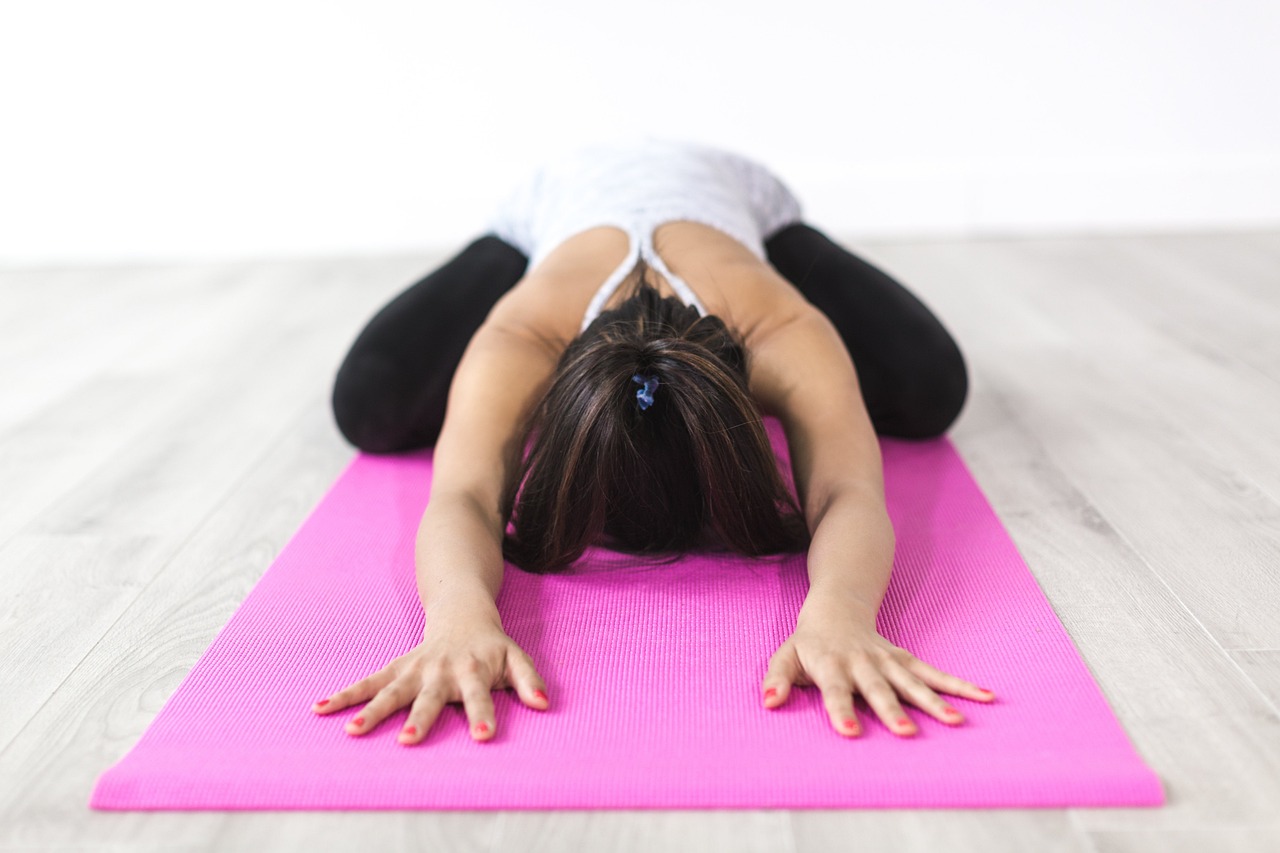

Assessing Changes in Flexibility Through Pregnancy and Postpartum
Flexibility is an essential aspect of physical fitness, especially during pregnancy when the body undergoes significant changes. Monitoring flexibility during this period not only aids in comfort but also supports healthy movement patterns. Regular stretching can help maintain range of motion in the joints, which may become stiff due to hormonal changes. Emphasis should be placed on safe stretching techniques that accommodate a growing belly. Pregnant individuals can benefit greatly from flexibility tests designed to assess their current capabilities. Such assessments can inform tailored exercise plans that target the specific needs of each trimester. This proactive approach can facilitate a smoother transition into motherhood. The inherent physical demands of pregnancy require women to adapt their fitness regimes, and understanding one’s flexibility can enhance overall health and preparedness. Watching for variations in flexibility can guide modifications in exercise and daily activities. Ultimately, evaluating flexibility serves as a foundation for ensuring that pregnant individuals remain both active and resilient throughout their pregnancy journey.
Stretching during pregnancy has numerous benefits that contribute to overall wellness. It can alleviate tension in muscles and improve circulation, which is invaluable as blood volume increases. Additionally, regular stretching helps manage back pain, which many pregnant individuals experience. Freeing up tight muscles can also aid in posture correction, essential as the center of gravity shifts. Engaging in a consistent stretching routine may even foster greater mindfulness and promote relaxation. Practitioners emphasize the need for adapting routines to ensure safety for both mother and baby. Precautions must be taken to avoid overstretching or injury, leading to the importance of flexibility assessments. These assessments can determine which areas require focus. Furthermore, they guide pregnant individuals in learning how to effectively listen to their bodies. Through targeted flexibility tests, one can appreciate their range of motion and make informed decisions about their physical activities. Overall, adopting a flexibility routine tailored to individual needs enhances the quality of life during pregnancy, paving the way for a more comfortable experience as one prepares for childbirth.
Importance of Flexibility Assessments
Flexibility assessments during pregnancy serve as critical tools for understanding physical changes. These tests often involve simple movements, evaluating how easily one can perform functional tasks. Common tests include the seated forward bend and the standing quadriceps stretch, allowing for a concrete measurement of flexibility in key areas. By monitoring these metrics, healthcare providers can tailor fitness recommendations to meet each person’s specific needs. Furthermore, it helps prevent injuries, which are more likely to occur when the body is unaccustomed to the changes it faces. Training flexibility through structured assessments encourages pregnant individuals to engage safely in physical activities they enjoy. Additionally, postpartum flexibility assessments provide insight into recovery and adaptation after childbirth. Understanding how flexibility changes after delivery can indicate progress and readiness for more advanced exercises. This approach also lays the groundwork for establishing effective postpartum fitness goals, as many women face unique challenges in regaining their pre-pregnancy physical condition. In summary, flexibility assessments are essential for promoting health and safety throughout the entire perinatal period.
Various techniques are employed to assess flexibility during pregnancy, and the most common include dynamic and static tests, each with their own objectives. Static stretching typically involves holding a position for a set duration, ensuring that muscle tension is adequately addressed, while dynamic stretching focuses on controlled movements through a range of motion. Professionals often recommend performing both types to attain a well-rounded flexibility assessment. Practicing these techniques helps prepare the body for the increased demands of pregnancy and delivery. It is essential to adapt the intensity and duration of stretches according to individual needs and comfort levels. Capturing these assessment results can foster awareness of one’s progress over time, allowing for adjustments as the pregnancy advances. Additionally, women can track changes in their flexibility throughout the trimesters, making it easier to identify potential areas of concern. This approach promotes motivation and a proactive mindset toward physical health. Regular re-evaluation of flexibility aids in optimizing physical activity and self-care routines, which are vital for maintaining well-being during this transformative life stage.
Postpartum Flexibility Evaluation
After childbirth, a woman’s body continues to undergo transformation, and assessing flexibility remains crucial during the postpartum phase. This evaluation can unveil how stretching practices during pregnancy have aligned with recovery efforts after delivery. Many individuals find themselves dealing with muscle tension and stiffness as they adapt to new routines, hence understanding flexibility following childbirth aids in a tailored recovery program. Flexibility assessments at this stage often reveal areas requiring specific focus, such as hips, lower back, and abdominal muscles, which play pivotal roles in achieving functional movement. Incorporating gentle stretching into postpartum rehabilitation promotes faster recovery and facilitates a smoother transition back to pre-pregnancy activities. Given the physical demands of caring for a newborn, it is imperative to prioritize self-care through regular flexibility assessments. Additionally, tracking these changes fosters motivation to engage in daily activity, reinforcing overall health and wellness. Collaborating with healthcare professionals during this phase can yield valuable insights into safely reintroducing fitness routines. Through mindful participation in flexibility assessments, new mothers can embrace their postpartum journey with respect and strength.
Flexibility tests not only highlight the personal changes experienced during pregnancy and postpartum but also provide crucial feedback for developing sustainable fitness plans. Incorporating flexibility assessments allows pregnant individuals to establish realistic goals and track their progress diligently. By recognizing personal limits, one can progressively work on enhancing flexibility, contributing to increased physical resilience. Furthermore, establishing a personalized stretching routine can involve various modalities, from yoga to Pilates, aligning with individual preferences and comfort levels. Engaging in these activities provides community support, vital for overall well-being during pregnancy. Research suggests that women who remain engaged socially during their pregnancy experience better mental health outcomes. Thus, embarking on flexibility assessments not only heightens awareness of physical capability but also strengthens emotional health through fostering relationships. Moreover, sharing experiences with others on similar journeys can reinforce commitment to regular assessments and stretching routines. Ultimately, the transformation that occurs from engaging in flexibility assessments and routines tailored to phase-specific needs serves as a foundation to navigating the complex transition into motherhood.
Create a Sustainable Flexibility Routine
Building a sustainable flexibility routine during and after pregnancy involves understanding one’s body and the unique changes it has undergone. Start by conducting regular flexibility assessments to identify specific needs and areas for improvement. Collaborate with a certified fitness professional to devise a stretching routine tailored to individual goals. Incorporate a variety of stretching techniques to keep the routine engaging and enjoyable. Balance static and dynamic stretches while ensuring adequate warm-up is performed before engaging in any activity to prevent injury. Create a weekly schedule that prioritizes stretching alongside other physical activities that pump up cardiovascular health and muscle strength. This holistic approach supports overall well-being during pregnancy and postpartum, offering a sense of stability amid the changes. Consistency is key; setting manageable, realistic goals helps maintain motivation over time, creating lasting habits conducive to achieving flexibility. Such routines will not only support physical health but also empower individuals through the journey of motherhood. Ultimately, laying the groundwork for a comprehensive flexibility plan integrates with a complete fitness approach, enhancing quality of life as one transitions through various stages of motherhood.
Continuously adjusting flexibility routines based on regular assessment feedback demonstrates an adaptive approach that is essential as one navigates motherhood’s myriad of challenges. As the demands of daily life shift – whether adjusting to new work-life balance or managing childcare duties – evaluating flexibility remains central to sustaining physical fitness. Utilize outcomes from flexibility assessments to modify stretching routines, ensuring that they are both effective and manageable. This means progressing by slowly increasing intensity or duration as comfort and capability improve over time. Additional resources, such as guided classes or online videos, can enhance the alignment of personal flexibility goals to external benchmarks, promoting further success. Remember that flexibility not only positively impacts individual wellness but also provides a greater capacity to care for loved ones. Elevating one’s physical capabilities through consistent flexibility routines enhances effectiveness in daily parenting tasks and responsibilities. Therefore, flexibility assessments, results collaboration, and adaptive routines converge to sustain fitness and health throughout the transformative processes of pregnancy and beyond. Embrace this journey with patience and perseverance, allowing flexibility practices to evolve alongside one’s physical and emotional needs.