
Editing Tips to Make Your Fitness Competition Images Pop
Capturing the intensity and determination during fitness competitions requires not just great photography skills but also effective editing techniques. Start by adjusting the exposure and contrast to make sure your images aren’t too dark or washed out. Use editing software like Adobe Lightroom or Photoshop to refine your images further. Pay close attention to color temperature; proper adjustments can enhance the mood of your photos significantly. Sharpening your images can emphasize the details of muscles and movements, making your subject stand out. Additionally, consider cropping to focus more closely on competitors’ expressions or key moments. Utilize tools such as the adjustment brush to selectively enhance specific areas. With the right approach, your images will convey energy and emotion effectively. As you practice, develop your distinctive editing style that fits the essence of the fitness competition theme. Maintain consistency in your edits to create a cohesive portfolio that draws attention and illustrates your post-competition storytelling skills. Don’t forget to back up your original images before making any edits – preserving the quality is vital. Embrace learning from different sources and keep experimenting!
Another crucial technique in editing is the use of filters and presets. You can enhance your fitness competition images by applying specific color grading styles that evoke a particular mood or feeling. For instance, cooler tones can give a more dramatic atmosphere, while warmer hues may impart a sense of energy and vibrancy. Utilize blending modes creatively to merge images or apply different effects. Experimenting with saturation and vibrance helps highlight the muscles and tool of performance. With finetuning, you can create a more dynamic image that showcases athletic prowess. Always remain mindful of the subject; editing should enhance their hard work, not obscure it. Regularly review before-and-after comparisons of your edits to assess improvement. Additionally, learn best practices for sharpening images post-edit to retain their clarity. Consider the aspect ratio too; square crops are popular on platforms like Instagram. Consistency is key across your portfolio. For inspiration, browse through the works of widely recognized fitness photographers. Analyze their editing techniques and try incorporating new ideas into your workflow. Ultimately, enjoy the process while being committed to your development as a fitness photographer!
Use of Light and Shadow
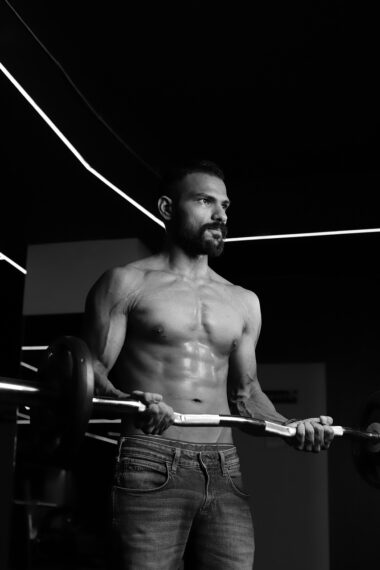
Understanding the use of light in your images is another factor that can make a significant difference. Incorporating shadows can add depth and highlight the muscles or features of your subjects effectively. During editing, you can enhance shadows to create a three-dimensional aspect in your captures. A well-lit scene can transform ordinary photos into extraordinary visuals. It’s wise to keep an eye on the direction of the light source while shooting. This awareness can help you plan your edits to play up the attributes of your subject effectively. Selectively applying lightening tools to specific areas can direct viewers’ attentions to key elements. Exploring the highlights and lowlights around your subjects can dramatically alter perceptions in your imagery. Experimenting with vignette features during editing can also compellingly focus on the subject while subtly darkening the edges of your photos. Strive for balance around highlights and shadows. As you build your editing skills, documenting each procedure can pave the way for future references and enhance your learning curve. Remember, every athlete benefits from visible details; your photography should reflect that vitality!
Another editing technique to consider involves incorporating textures into your images. Textures can create an emotional connection with the audience, enhancing the storytelling aspect of your photos. For instance, applying a subtle grain effect can give your digital images a filmic quality, drawing viewers into the intensity of the moment. This effect is especially popular in fitness photography, showcasing the grit and grind that athletes embody. Textures can make photos appear more authentic and relatable. Additionally, be mindful of how textures can represent the environment and elevate the overall composition. Text-based overlays could also offer additional commentary on the achievements displayed in the competition imagery if used tastefully. Use graphic design tools to ensure these elements blend seamlessly with your primary focus of fitness. Limit your use of text to important highlights or copy that enriches, rather than distracts. Assessing your textures regularly will help refine your approach, ensuring better engagement from your viewers. With time and practice, finding just the right balance of textures can breathe new life into your fitness competition imagery!
Photo Composition Techniques
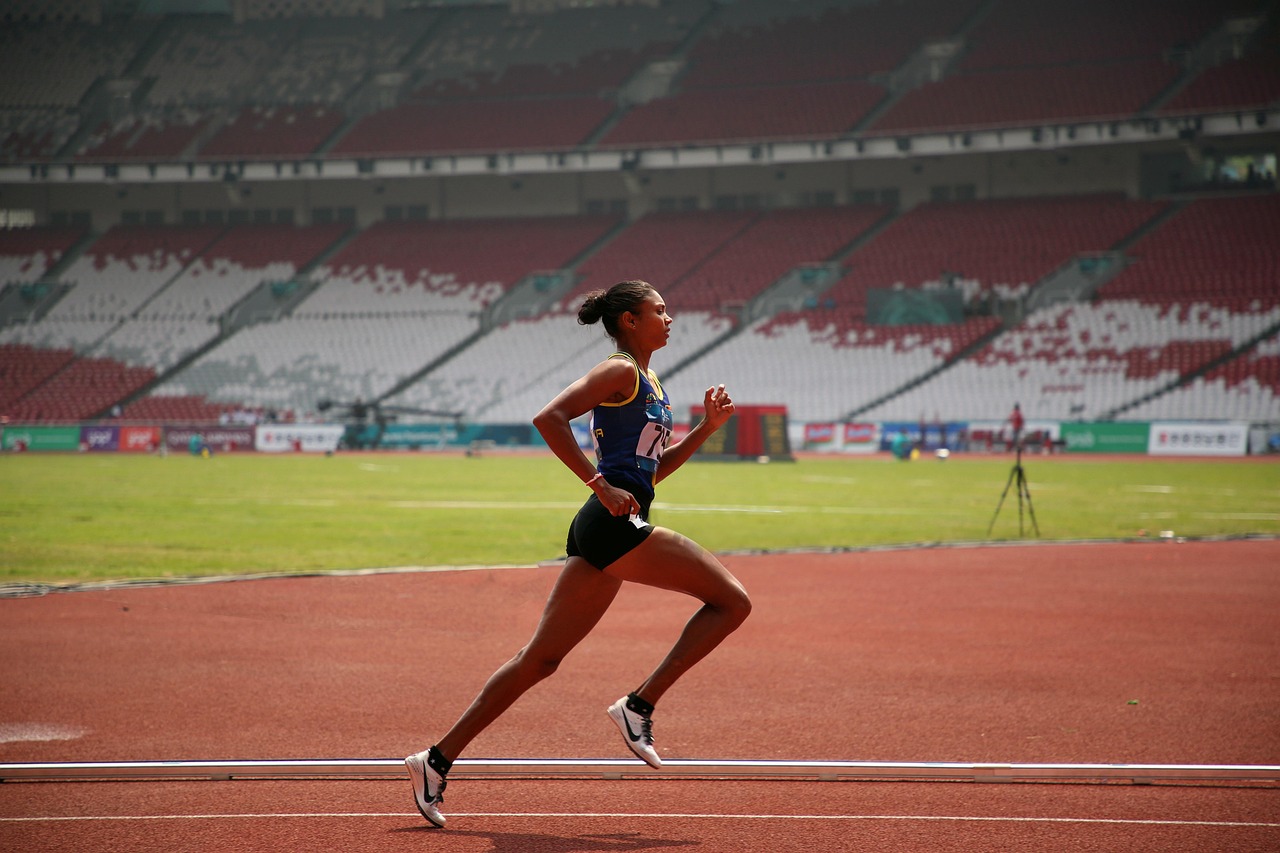
When editing, always consider employing various composition techniques to elevate your fitness competition images. Techniques like the Rule of Thirds can guide your arrangements, making images more engaging. Consider aligning your subject along these lines and their intersections. This simple adjustment can significantly enhance visual interest for the viewer. Additionally, foreground elements can establish context, leading the eye deeper into the scene. Use leading lines effectively—draw attention through roads, tracks, or even competitor lines to guide focus toward your subjects. Also, feel free to experiment with symmetry or asymmetry during post-editing; these factors can change the mood widely. Playing with the layout through cropping can also showcase essential elements more dominantly. Remembering to maintain a sense of balance is essential; images should neither feel cluttered nor sparse. After making edits, seek feedback from peers or online communities, which can offer fresh perspectives. The growth of your photography hinges upon constructive criticism, enabling personal evolution as an artist. Share your progressive edits online to foster engagement!
Post-editing can also benefit from evaluating color theory principles to enhance image impact. Your choices in color can evoke specific emotions and reactions in viewers, so choose your palettes wisely! For fitness competition images, colors that symbolize energy and power are often effective. Think about employing complementary colors that create visual harmony while driving focus towards your subjects. Applying warming filters or enhancing natural skin tones can create a more appealing appearance. It’s essential to be mindful not to overdo it; excess saturation may lead to unnatural tones that distract from the performance captured. Utilizing monochromatic themes can also lend a striking effect, highlighting specific emotions exhibited during competition. Contrast can play a predominant role in making your images pop; adjust backgrounds to ensure visual emphasis on subjects. Your enhancement techniques should celebrate each athlete’s hard work and stories. In the final review phase, scrutinize your images to ensure clarity and cohesiveness throughout. Share transformative experiences with fellow photographers to encourage shared learning and improvement techniques among your network. These collaborative efforts will enhance individual artistic expression!
Final Tips for Impactful Edits
Lastly, as you hone your editing skills, consider methods of conveying stories through your images. Emphasizing expressions, emotions, and dynamic movement can encapsulate the spirit of fitness competitions beautifully. Take a moment and think about initiating a series focusing on various aspects of competitions—warm-ups, competition highlights, and even post-competition reactions. With your editing software, consider building thematic consistency through your images, presenting them as a cohesive story. Over time, you’ll notice this storytelling approach enhances viewer engagement and loyalty toward your work. Remember to back up your edited versions in separate folders, allowing easy access for future use. While photography is an individual pursuit, engaging with fellow creatives on platforms such as forums or workshops can be tremendously beneficial. Collaborate and discuss workflow techniques, which will inevitably lead to improved skills. Cameras are tools to translate reality, but strong editing is what transforms reality into compelling art. Your technique and eye for detail will always dictate the quality of your final product—never stop learning and perfecting!
Above all, don’t rush the editing process. Take the time you need to develop your own style; understanding your craft takes patience and practice. As you become more experienced, you’ll find that specific techniques resonate better with your artistic vision. Trust your instincts, and don’t hesitate to explore unconventional methods. Challenge yourself to innovate and break traditional boundaries – these elements may guide you to discover your unique editing signature in fitness photography. Consistency is the bedrock of progress; aim to practice regularly to enhance your edge. Seek feedback from fellow photographers and be open to discovering new facets within your approach – networking can be invaluable. As you grow, remain dedicated to refining your process while celebrating small victories. Let each session you edit fill you with inspiration as you engage more deeply with the art of fitness photography. Share this knowledge with budding photographers to encourage their development while creating an engaged community. Ultimately, embrace the journey as an evolving artist and focus on creating images that tell motivating stories about strength, perseverance, and athletic dedication!