
How to Skatedown Small Obstacles for Beginners
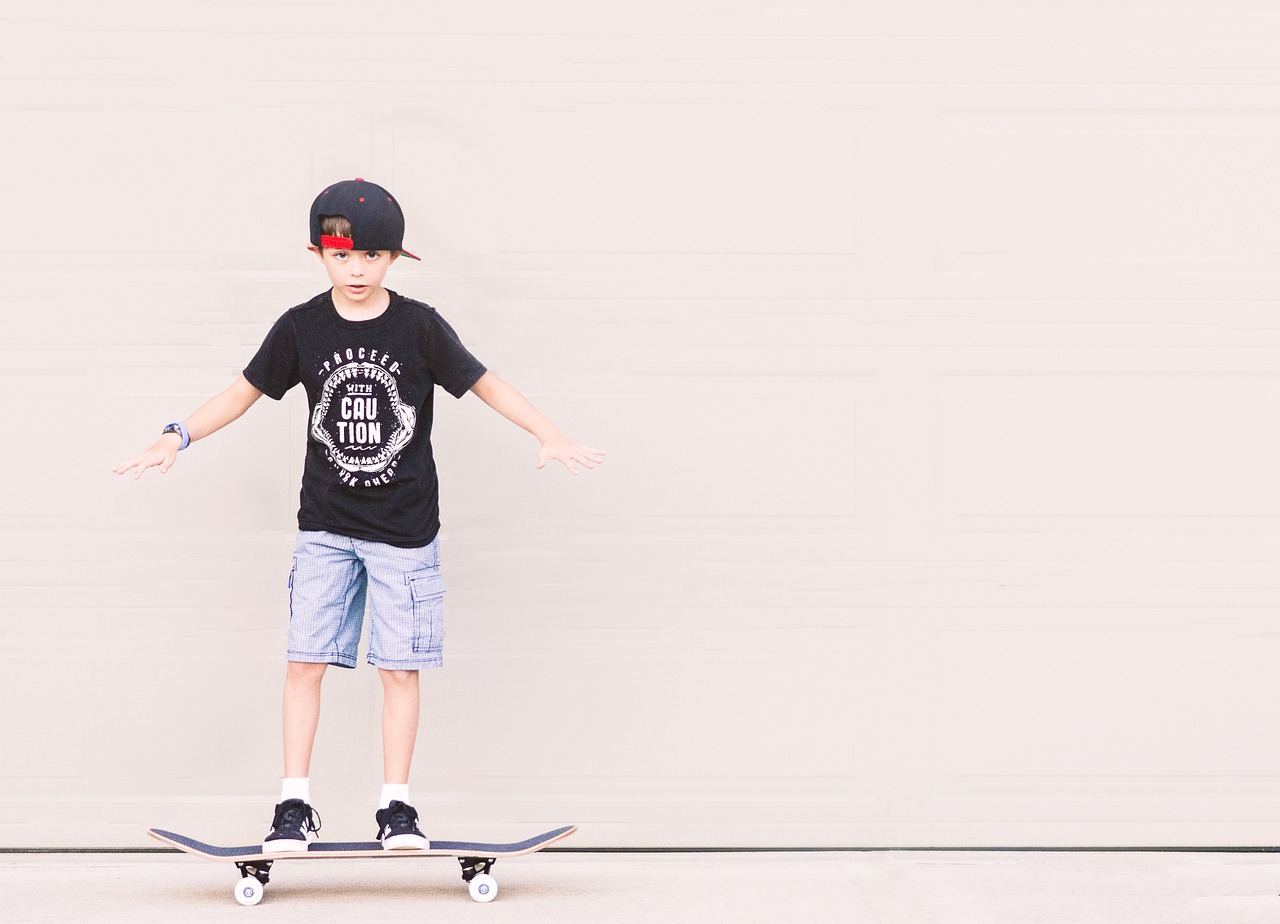
Skateboarding is an exhilarating activity that can be both fun and challenging. For beginners, learning to skate down small obstacles is a crucial skill to master. This foundational skill helps build confidence and control on a skateboard. Initially, you should identify suitable obstacles like curb edges or small ramps in a safe area. This practice enables smooth transitioning across varying surfaces without causing injury. Start off by standing on your skateboard, feeling how it grips the ground. After you feel comfortable, try the simple push-and-roll technique to gain momentum. Place your back foot on the tail of the skateboard, pushing with your front foot gently. Increasing speed while moving towards an obstacle will aid in learning balance. Furthermore, remain centered over the skateboard, as this keeps you stable. You can employ your knees to assist with shock absorption, which is crucial when landing. Remember to wear proper safety gear, such as a helmet and knee pads, throughout this process for that added protection. Gradually, you will find confidence, expand your skills, and tackle larger obstacles with time.
Another fundamental principle is understanding how to approach obstacles methodically. Stand slightly back from the front of your board while leaning forward as you reach the obstacle. As you approach, keep your body relaxed and maintain a lower center of gravity. With both feet on the skateboard and your weight evenly distributed, push off gently with your back foot. Start by practicing on smooth, low obstacles, gradually increasing height and complexity. It’s essential to control your speed as you approach the obstacle; rapid acceleration can lead to falls or missteps. As you reach the obstacle, shift your weight forward to lift your front wheels off the ground while keeping your rear wheels steady. This technique, known as “ollie,” is crucial for clearing the obstacle successfully. If you feel your balance shifting, practice small movements first, allowing your body to adjust. To improve your skills further, watch instructional videos or join beginner classes where experienced instructors can provide hands-on guidance. Continuous practice in a safe environment will enhance your overall technique and confidence.
Mastering Balance and Control
Mastering balance and control is crucial as you start skating down obstacles. Begin by practicing how to shift your weight effectively while on the board. This will not only help you ride smoothly but also transition over obstacles seamlessly. To work on that balance, try standing on your board on flat ground, first with both feet. Shift your weight from one side to the other slowly, feeling how the board reacts beneath you. After you get the hang of this, you can shift to practicing on inclined surfaces. Small ramps or gentle slopes can help teach balance when skated upon. To tackle larger obstacles, practice the ollie with gradual height increases while pushing your limits safely. When gaining confidence, aim for a slight forward tilt to maintain momentum when approaching obstacles. Your knees should bend during the transition over obstacles and aid shock absorption during landings. Additionally, don’t hesitate to practice free riding through various terrains. This helps familiarize your board control under diverse conditions. Through dedication, regular practice enhances balance and transforms your skills, paving the way for more advanced tricks.
Furthermore, honing your focus is as essential as building balance. It’s essential to keep your eyes on the obstacle you aim to skate down. Directing your gaze towards the landing spot will allow your body to naturally follow. Engaging your core will also provide a sturdy foundation for maintaining control. When initiating movement, a focused upper body helps align your hips accordingly, keeping the motion smooth. Instructors often emphasize the importance of focused sight. Always target where you intend to land while maintaining awareness of your surroundings. As you continue practicing, you should develop instincts about how to approach obstacles. Keeping the practice sessions light and fun will enhance your learning experience and improve retention of skills. If frustration arises, take a break and reassess your approach to learning. Invite friends for a session to motivate each other while having fun on the board. Overcoming obstacles shouldn’t just be about performance; it’s about enjoying the journey of learning together. Transform this experience into an enjoyable one without periods of excessive pressure. Trust the process; growth will follow.
Gradually Increasing Challenges
As you become comfortable skating down small obstacles, progress by gradually increasing the challenges you take on. Once you master basic techniques and smaller obstacles, it’s important to push your limits to become a more proficient skater. Look for slightly larger obstacles that require additional skills, such as popping the skateboard higher or adjusting your landing. Practicing on different types of obstacles will aid your adaptability and overall performance. For example, rolling off ramps or skating down a simple incline can lead to new skills. When approaching new challenges, remember to begin each time with proper warm-ups and stretches to avoid any injury. Have a mindset of exploration during this phase; analyze what works and what doesn’t for your personal style. Try landing softly to minimize impact on your board and body. You may also want to set up a timeline to help measure progress over time. Keep track of the obstacles you have successfully conquered, allowing for a sense of achievement with each milestone reached. Celebrate your successes; they may inspire you to continue developing your skills over time.
In addition, engaging with the skateboarding community can greatly enhance your learning experience. Joining skate parks or local clubs is an excellent way to meet experienced skaters who often share advice and tips. Observe others as they maneuver through obstacles, noticing their techniques and approaches—this can reveal insights that might not be obvious in solo practice. Many experienced skaters are open to mentoring newcomers, so don’t hesitate to ask for help. Participate in group sessions where you can share experiences, challenges, and victories. This interaction transforms learning into an enjoyable venture. Moreover, watching professional skateboarding videos or tutorials online can provide additional techniques and inspiration. By diversifying your resources, you expose yourself to various styles and methods. The conversations and camaraderie will also keep you motivated throughout your learning journey. Understand that every skater, even the most seasoned ones, started from a beginners point at some time. Respect your process and recognize the value of learning from others. Sharing the journey not only enhances skill but creates friendships and memories that last far beyond skating.
Final Thoughts on Patience and Practice
Lastly, remember that patience and consistent practice are critical components of mastering skateboarding down small obstacles. It’s essential not to rush your progress but instead savor each step. As frustrating as it might seem at times, understanding that skill development takes time is important. When practicing, set small, achievable goals that allow you to track improvements over time. Each transition of skill, no matter how minor, represents growth. Regular practice is invaluable; consider dedicating a set time each week and sticking to it. You might find developing a routine aids in reinforcing your commitment. Always ensure to stay safe while practicing; gradual increases in difficulty will lead to success while mitigating the risk of injury. If certain techniques aren’t working right away, don’t be disheartened; persistence pays off ultimately. Use setbacks as learning tools instead of roadblocks. Remember that everyone falls and faces obstacles, but it’s how you bounce back that defines your journey. Celebrate small achievements along the way as they build confidence and resilience which are pivotal for further progression.
With time, sound techniques and strategies can significantly improve your skating performance. Commit to your skateboarding journey whilst maintaining a positive attitude. Collaborate and learn from friends and peers, as this will make the entire experience much more enjoyable. By implementing the strategies provided above and focusing on gradual improvement, soon enough, you will find yourself mastering the art of skating down obstacles effortlessly. Your dedication and perseverance will make you not only a skilled skateboarder but also part of an exciting community that shares your passion. Keep a smile while progressing, as the essence lies in enjoying the ride. Every successful engagement with an obstacle boosts self-esteem, making every success feel monumental. Through this approach, you may one day find yourself attempting more complicated tricks or skating alongside others at local skate spots. The world of skateboarding offers endless opportunities to connect and grow, which is often the most beautiful element of this sport. Skateboarding for beginners is just the start; ultimately, your journey will continue as long as your passion fuels it.