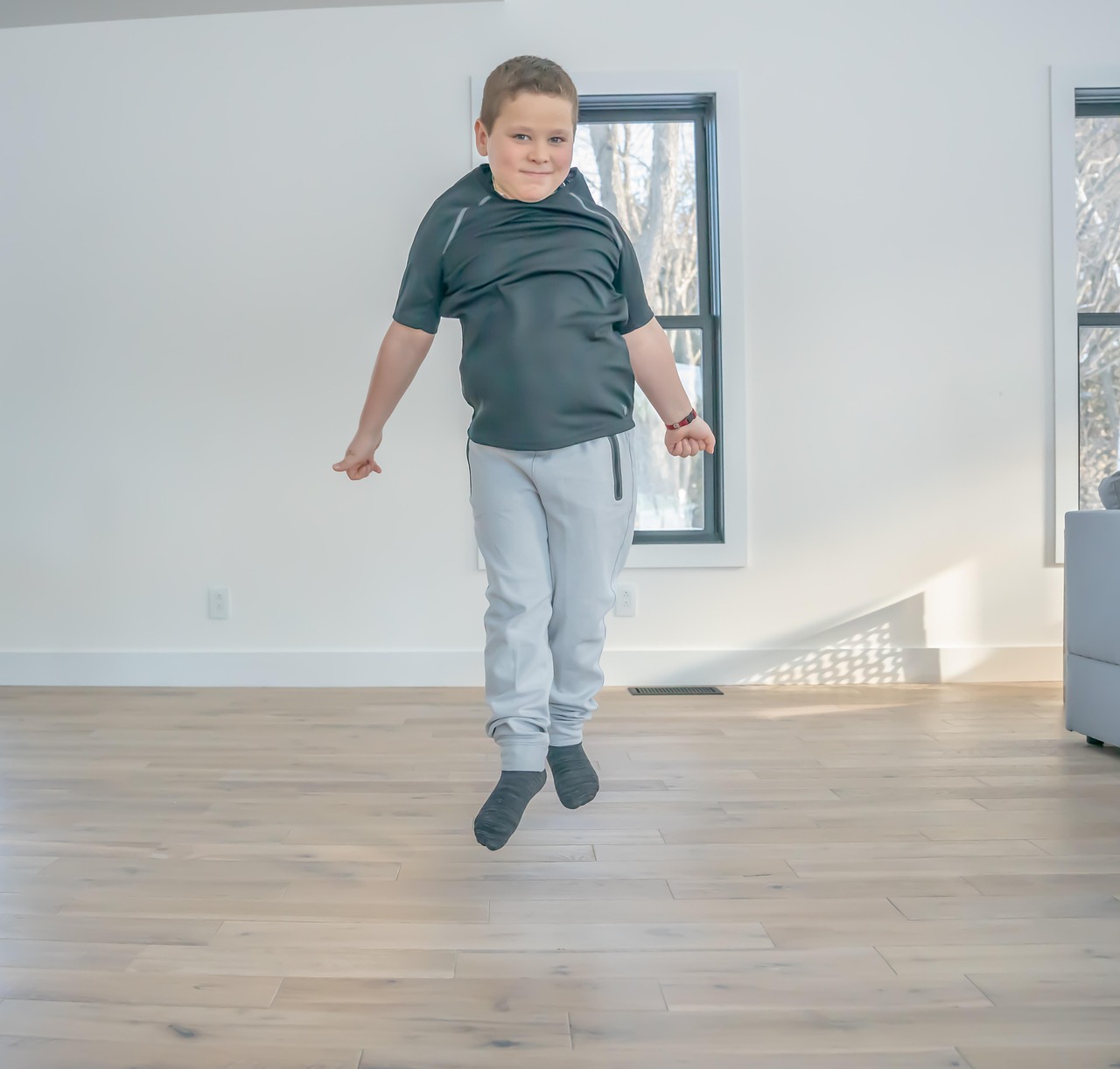

Safety Features in Kids’ Fitness Wearables You Should Know About
Fitness technology is revolutionizing the way kids engage in physical activities. One of the most significant developments is in the wearable fitness devices designed specifically for children. These wearables not only track a child’s activity levels but also provide essential safety features that help parents ensure their children’s well-being. GPS tracking is one of the key safety features found in many kids’ fitness wearables. This technology allows parents to monitor their children’s location in real-time, providing peace of mind about where their child is while they play. Additionally, many devices incorporate geofencing, which sends alerts if the child moves outside a designated safe area. This feature can be incredibly useful when kids are out playing with friends on their own. Another important aspect is the panic button feature, enabling kids to alert their parents instantly in an emergency. Furthermore, many wearables come with customizable alerts that can notify parents if specific thresholds are exceeded, ensuring that children engage in safe levels of exercise. Overall, these safety features make fitness wearables a smart choice for monitoring kids’ activities and ensuring their security.
Health Monitoring Capabilities
Kids’ fitness wearables are not just limited to tracking activity; they also encompass health monitoring functions that help keep an eye on children’s well-being. Many devices are equipped with heart rate monitors that provide data on the child’s heart rate during physical exertion. Maintaining an appropriate heart rate ensures that the child is exercising safely. Furthermore, parents can receive alerts if the heart rate goes beyond or falls below a healthy range, allowing them to intervene when necessary. In addition, some wearables include sleep monitors, which can track sleep patterns to ensure kids are getting enough rest. This feature is vital since proper sleep plays an essential role in a child’s overall health and development. Some advanced wearables even have stress monitoring functions, helping children learn to manage their stress levels effectively. This capability allows parents to understand whether their child is coping well with school and social pressures. By investing in these wearables, parents have the opportunity to foster healthier habits in their children while enhancing their understanding of fitness and wellness.
The interactive elements of fitness wearables for kids are designed to encourage a fun and engaging exercise experience. Many devices feature gamification, which transforms physical exercise into an interactive game. Children can earn points, badges, or unlock challenges or rewards by completing specific fitness tasks. This motivates them to stay active while enjoying the process. Furthermore, social connectivity through these wearables allows kids to compete against friends, fostering a healthy sense of competition and team spirit. Some devices enable families to connect with one another, encouraging group activities and challenges. These interactive features can significantly improve children’s enthusiasm towards fitness and health monitoring. Moreover, many wearables are now customizable, allowing children to express their individuality by selecting different designs, colors, and watch faces. Some brands even collaborate with popular children’s characters and franchises to appeal to a younger audience. This customization element not only enhances the user’s experience but also increases their likelihood of consistently wearing the device. Overall, these engaging features are essential in promoting a healthy lifestyle among kids while allowing them to have fun.
Durability and Comfort
When designing fitness wearables for children, durability and comfort are paramount. Kids lead active lifestyles, which means their devices must withstand rough play and various environmental conditions. Many brands construct their wearables using robust materials, including water-resistant or waterproof components that can endure splashes, rain, and even sweat. This construction helps ensure that the device remains functional no matter the setting. Additionally, wearables are often designed to be lightweight and comfortable for extended wear, which is particularly important for kids who may be sensitive to bulky accessories. Many devices prioritize an adjustable fit, allowing them to grow with the child, which adds to the longevity of the wearable. Another aspect of comfort is the hypoallergenic materials used in wristbands to prevent skin irritation or allergic reactions, especially since kids’ skin can be more sensitive than adults. Furthermore, some wearables provide options for different styles, ensuring that kids can choose something they feel good wearing. This focus on comfort and durability significantly enhances the overall experience and encourages regular use of the fitness technology.
Parental controls in kids’ fitness wearables are an essential safety aspect that provides an extra layer of security. These controls enable parents to supervise their child’s activities more effectively. They can set activity limits, track overall performance over time, and manage the child’s use of the device. Parents may also restrict access to certain features, ensuring children use the wearables according to their age and maturity levels. By doing so, parents can promote responsible use and instill healthy habits in their children. Furthermore, many devices offer functionality within associated mobile applications, where parents can receive updates and manage settings directly from their smartphones. This convenient access allows for real-time monitoring and adjustment whenever necessary. Additionally, some wearables provide emergency contacts that the child can reach out to in case of urgent situations, further enhancing security. These parental controls give peace of mind to parents, encouraging them to support their children’s fitness journey actively. Moreover, educating children about fitness technology and its benefits fosters responsibility and awareness, essential traits to nurture as they grow into adolescence.
Encouraging Healthy Habits
Another significant advantage of kids’ fitness wearables is their role in encouraging healthy habits from a young age. By integrating these devices into daily routines, children learn about the importance of staying active and making wise health choices. Many wearables offer daily activity reminders, prompting kids to get up, stretch, and move, which is especially important in today’s digital age, where screen time dominates. Additionally, wearables can help children set personal goals, such as walking a certain number of steps each day or completing a specific workout duration. Achieving these goals builds a sense of accomplishment and empowers them to take charge of their fitness journey. Parents can participate by setting challenges or competing with their children, turning fitness into a family affair. This collaborative approach not only helps strengthen family bonds but also reinforces positive behaviors. Furthermore, wearables can enable children to connect with fitness communities, participating in group challenges or events that promote a healthy lifestyle. Engaging in such activities makes fitness a fun experience, encouraging long-term health benefits as children transition into adulthood.
The future of kids’ fitness wearables is promising, with advancements in technology continually improving their functionality and safety. As developers prioritize safety features, we can expect to see more innovative solutions. Future devices may include better health tracking capabilities, such as blood oxygen monitoring or more comprehensive stress management tools. Furthermore, data analytics may evolve to track long-term health trends, helping both parents and children understand their fitness journey better. Enhanced communication between devices and smartphones could allow more seamless updates and real-time monitoring, making fitness maintenance easier for families. Additionally, integration with virtual reality systems could revolutionize the way kids engage with fitness wearables, adding new layers of entertainment and excitement. These innovations will lead to even more engaging and effective ways to encourage active living. Moreover, as technology gets more accessible, lower-cost wearables are likely to enter the market, making these essential devices available to more families. The goal remains clear: to promote fitness and health awareness, ensuring children grow within a secure and nurturing environment that enables them to thrive.
Conclusion: The Importance of Safety Features
In conclusion, the safety features in kids’ fitness wearables play a vital role in promoting an active and healthy lifestyle. As parents, understanding these functionalities enhances our ability to support our children’s fitness journeys while keeping them safe. Whether through GPS tracking, health monitoring, parental controls, or engaging features, these wearable devices empower kids to take charge of their well-being from a young age. Selecting the right device with appropriate safety measures ensures that parents can monitor their children’s activities effectively while allowing kids to enjoy the freedom of physical play. Moreover, these devices instill valuable lessons about health, fitness, and safety that resonate well into adulthood. As the field of fitness technology continues to grow, staying updated on the latest advancements will help parents choose the best wearables for their children. It is essential to create a balance between encouraging independence while ensuring safety in all activities. By doing so, we can foster an environment where children feel secure and motivated to lead healthier lives with enthusiasm and joy.