
Guided Breathing Techniques to Include in Your Kettlebell Cool-Down
Kettlebell training can be intense; thus, integrating a cool-down is essential to your fitness routine. After your workout, giving your body the proper care through stretching and breathing techniques is vital. Guided breathing helps facilitate recovery by calming the nervous system and promoting relaxation. This practice lowers heart rate and shifts focus, providing a transition from an active state to relaxation. Including deep, guided breaths can assist in releasing any tension built up during the kettlebell training. It also prepares your body for recovery and helps to improve overall flexibility. Focusing on your breath allows you to connect to the body, relaying messages of calmness and ease. Integrating this practice right after your kettlebell session lays a solid foundation for recovery. You might find it beneficial to alternate between different breathing techniques throughout your cool-down. This not only keeps the routine fresh but also enhances the benefits of each breath pattern. Ultimately, these brief techniques create a holistic approach to your kettlebell workout that balances exertion with recovery.
One effective breathing technique is the “4-7-8” method. Begin by exhaling completely through the mouth, followed by inhaling through the nose for a count of four. Hold this breath for a count of seven and exhale slowly through your mouth for a count of eight. This particular technique significantly reduces stress and enhances oxygenation throughout the body. The length of the exhalation compared to inhalation encourages a deeper sense of calmness. Performing this method five to ten times can greatly enhance the recovery phase. In addition, it helps in lowering blood pressure, allowing your mind and body to feel increasingly relaxed. This technique can easily be integrated into your kettlebell cool-down routine as it requires minimal time and effort while offering extensive benefits. During the cool-down session, try applying this breathing exercise after completing each stretching exercise or directly after a particularly challenging kettlebell set. This transitional moment ensures that you’re closing out each physical exertion with intentional breath work, leading to better overall awareness of your body and mental state.
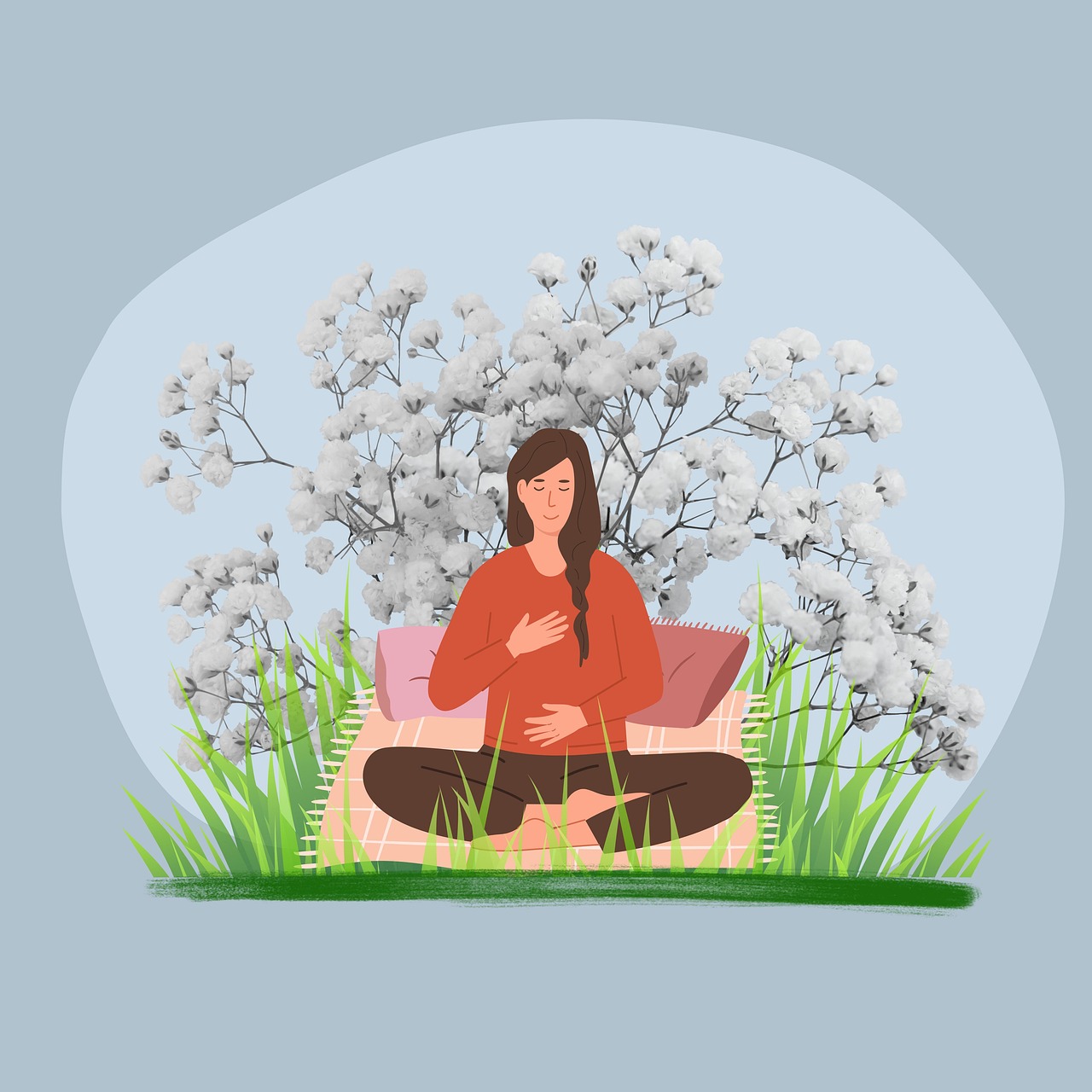
Another technique involves “diaphragmatic breathing.” This method emphasizes the use of your diaphragm instead of your chest for deeper inhalations. Start this technique by lying on your back with knees bent and feet flat on the ground. Place one hand on your chest and the other on your stomach. Breathe in slowly through your nose, focusing on pushing your stomach out while minimizing movement in your chest. This allows vital oxygen to reach the lower lungs, ultimately leading to increased energy levels during recovery. As you exhale slowly through your mouth, feel your stomach pull back toward your spine. This technique encourages full oxygen exchange and activates the body’s relaxation response. To support your kettlebell training, utilize diaphragmatic breathing during your stretching phase. Incorporating this powerful technique enhances muscle recovery and releases any residual tension held in the abdomen. Over time, you will notice an increased sense of tranquility and control over your breath, fostering a greater connection to your workout experience. Practicing this technique regularly will contribute to your overall fitness journey.
Progressive muscle relaxation (PMR) is another valuable technique. Start by taking a deep breath, then slowly tense one muscle group for five seconds before releasing the tension. Staring at your feet, integrate this method by gradually moving up through your entire body, focusing on your calves, thighs, abdomen, chest, arms, and shoulders. By concentrating on squeezing each muscle group and then releasing, you will cultivate a deeper understanding of body sensations. Following a rigorous kettlebell workout, this method helps promote an enhanced sense of relaxation. It also aids in reducing muscle soreness and fatigue, thus serving as a great companion to your kettlebell training. PMR empowers you to create a calming environment by recognizing and letting go of tightness and tension accumulated during fast-paced workouts. Engaging in this practice can make your cool-down feel rejuvenating and fulfilling. It’s best to integrate PMR at the end of your cool-down, aligning with your concluding stretching routine. With regular practice, PMR becomes a powerful tool to manage stress and discomfort effectively.
Additionally, visualization techniques can enhance your kettlebell cool-down. To practice visualization, find a quiet space where you can focus fully on your breath and visual imagery. Inhale deeply, then picture a serene scene like a beach or a forest. This calming imagery transports your mind to a peaceful environment while your body continues to cool down post-workout. Engaging both your mind and body creates a powerful connection, reinforcing relaxation. Visualization helps to anchor your thoughts and shift your focus away from training fatigue. Develop this technique by incorporating it in tandem with the breathing techniques mentioned above. By picturing tranquil landscapes or settings while practicing diaphragmatic or 4-7-8 breathing, you’ll enrich your cool-down routine. Eventually, you’ll form a strong mental association between relaxation and visualization during recovery. Over time, this mental imagery will become easier to access, providing you with an effective strategy for managing stress and enhancing recovery after kettlebell training sessions. This integration will allow for a more holistic approach to fitness, balancing both physical and mental needs.
Mindful breathing is another approach to consider during your post-kettlebell routine. This technique involves focusing entirely on your breath as it enters and exits your body. Start by finding a comfortable seated or lying position, then close your eyes to eliminate distractions. Direct your attention solely to the rhythm of your breath, observing how it feels without altering it. This practice enhances awareness of your breath while promoting relaxation. It can serve as an effective transition after an intense workout. Engaging in mindful breathing cultivates a deeper connection with your body’s sensations and helps clear the mental clutter. It is particularly beneficial after higher intensity kettlebell sessions as it ensures that you take a moment to intentionally recover. To include mindful breathing into your cool-down, try to practice this technique right after your scripted stretches. Focusing entirely on breath at this phase allows the body to recalibrate and return to a steady state. Over time, you can learn to tap immediately into mindfulness during transitions throughout your fitness journey, which benefits both the mind and body.
Finally, consider ending your kettlebell cool-down with gratitude breathing. This method emphasizes gratitude and mindfulness simultaneously. Before concluding your session, connect with your breath and take a few deep inhalations while reflecting on positive experiences or aspects of your life. Emphasizing gratitude during breath enhances your overall well-being during the recovery phase. Similar to previous techniques, sit or lie down comfortably. As you inhale, visualize the positive moments or people you’re grateful for, and as you exhale, slowly release any negativity from your training session or daily stressors. This technique helps foster a positive mindset and encourages a holistic approach to your fitness routine. Incorporating gratitude into your breath creates a deeper connection to your overall fitness goals. Including gratitude breathing at the end of your cool-down leaves you with an incredibly uplifting feeling. Ultimately, you’ll find that this practice reinforces a healthy mental state while effectively grounding your physical efforts with appreciation. Integrating these guided breathing techniques can transform your kettlebell training. Embrace this journey toward mental clarity and improved recovery!
By combining guided breathing techniques with a kettlebell cool-down, you maximize the benefits of your training. These practices promote physical recovery while nurturing mental wellness. Honoring the relationship between breath and movement contributes to a holistic fitness experience, enhancing both performance and well-being.