
How to Structure Your Week with Kettlebell Fat Loss Training
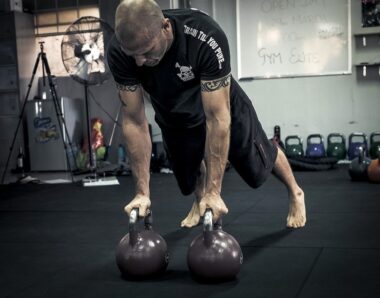
Kettlebell training can effectively boost your fat loss journey and enhance your overall fitness level. Understanding how to structure your week with these dynamic tools is essential. Start by assessing your current fitness level and defining clear, achievable goals. Consider incorporating kettlebell workouts at least three times weekly to maximize fat loss while allowing adequate recovery days. A well-structured week might include a mix of high-intensity interval training (HIIT) sessions and strength-oriented workouts. Ensuring variety is crucial to prevent burnout and maintain motivation. Pair kettlebell sessions with cardiovascular exercises such as running, cycling, or swimming to enhance fat-burning potential. Customizing your workouts can lead to optimal results. Aim to dedicate specific days to focused sessions, rotating between lighter and heavier workout routines. Don’t forget about effective warm-up and cool-down practices to reduce injury risk. Finally, maintain a balanced diet, ensuring you consume adequate protein and hydration to support your kettlebell training schedule. Monitoring your progress weekly can help refine your approach and enhance success in achieving your fat loss goals.
Incorporating kettlebell training into your fitness routine means paying attention to the details. It’s wise to plan workouts that cater to different muscle groups while also engaging in cardiovascular benefits. A recommended approach is developing a weekly schedule that emphasizes full-body workouts on alternating days. For instance, dedicate Mondays, Wednesdays, and Fridays to kettlebell moves that target various muscle areas, focusing on form and intensity. Consider kettlebell swings, goblet squats, and snatches for comprehensive fat loss results. Tuesdays and Thursdays can be excellent options for combining kettlebell movements with lighter cardiovascular activities, such as jogging or cycling. This strategy promotes recovery and prevents overexertion, allowing muscles to recuperate effectively. On weekends, utilize these sessions for active recovery through yoga or stretching routines. This focus on flexibility helps enhance performance during kettlebell workouts. Consistency is vital; thus, keeping track of your workload and dynamically adjusting it can aid in maintaining progress. In addition, listening to your body is crucial in adapting your training schedule, helping avoid overtraining and promoting injury prevention. These details contribute to a satisfying and effective week of kettlebell training.
A key component of any training regimen is selecting the right kettlebell weight for each workout. Your chosen weight should challenge you but still allow you to maintain proper form throughout your exercises. For beginner lifters, starting with the lighter kettlebells can be beneficial, especially for complex movements. As you progress, aim to increase the weight to further bolster your fat loss results. Generally, aim for a kettlebell weight of 8-12 kg for women and 12-16 kg for men when starting with swings and squats. Listening to your body plays a vital role; it will guide you in knowing when to advance to heavier kettlebells. A common mistake is to leap to a heavy weight too quickly, increasing the risk of injury. Instead, adjust your kettlebell routine and supplement it with bodyweight exercises for better conditioning. By focusing on form and consistency, you’ll develop strength over time. Moreover, integrating a combination of light and heavy kettlebell workouts can help target different muscle fibers, increasing overall strength, endurance, and fat loss potential.
Create Circuits for Maximum effectiveness
Using circuits provides an excellent way to maintain intensity during your kettlebell workouts. Circuit training combines multiple exercises targeting different muscle groups without prolonged rest periods. For instance, you can create a routine that flows from kettlebell swings to goblet squats, followed by push-ups. This format keeps your heart rate elevated while promoting fat loss. Aim for 30 seconds of work per station, followed by 15-30 seconds of rest to ensure sufficient recovery. Ideally, you should complete 3-5 rounds of the circuit to maximize calorie burn. It’s essential to alternate between upper and lower body exercises throughout the circuit to promote balanced muscle engagement. Embrace functional movements; kettlebell training is rooted in developing strength that translates to real-life tasks. Additionally, incorporating mobility exercises will ensure joint health and progression in weight lifting exercises. Pilates or yoga can be fantastic additions to your weekly regimen. Keep challenging yourself by changing your circuits regularly, keeping workouts fresh and engaging while pushing your limits. By varying intensities and exercises, you continually stimulate muscle growth and fat loss.
Nutrition plays a vital role in the success of any fitness program, including kettlebell fat loss training. Think about your pre-and post-workout meals as these will significantly impact your performance and recovery. Eating a balanced meal rich in proteins and complex carbohydrates before your workout fuels your body effectively. Examples of suitable pre-workout meals can include oatmeal with fruits or a protein shake combined with a banana. On the other hand, post-workout meals should focus on replenishing energy and rebuilding muscle. Lean sources of protein like chicken, fish, or plant-based options, paired with vegetables and whole grains, can aid recovery. Furthermore, staying adequately hydrated before, during, and after your workouts is essential. Water consumption is key for optimal performance. Monitor your fluid intake to ensure you remain well-hydrated and prevent burnout. A good rule of thumb is to consume half your body weight in ounces of water daily. Additionally, supplementing with whey protein or branched-chain amino acids (BCAAs) may support fat loss goals. Finally, consider keeping a food diary to track your nutrition and workout performance, gaining valuable insights into your habits.
Rest and Recovery Importance
Commonly overlooked elements of any successful training program are rest and recovery. Embrace the necessity of giving your body time to heal and strengthen following intense kettlebell workouts. A fundamental principle to remember is that your muscles grow during rest periods, not during workouts themselves. Ensure you allocate at least one full rest day in your weekly schedule. On your rest days, consider engaging in low-impact activities such as walking or yoga to aid active recovery. These practices promote circulation and reduce soreness from your previous kettlebell workouts. Additionally, prioritize sleep, as it’s essential for muscle recovery and overall health. Aim for 7-9 hours of restful sleep each night. Establishing a calming bedtime routine while avoiding screen time can enhance sleep quality. If soreness persists, use foam rolling techniques or self-myofascial release to alleviate discomfort. Also, consider regular massages or stretching to keep your muscles supple and mobile. By recognizing the significance of recovery, you’ll optimize your kettlebell training program for better fat loss results. Ultimately, balance is key in achieving your fitness goals.
Adopting a holistic approach enables long-term success in kettlebell fat loss training. Monitor your workouts and nutrition while staying attuned to your mental health. Psychologically, it’s vital to maintain a positive attitude towards your training journey. Set clear, realistic goals that accommodate your lifestyle and existing commitments. Celebrate small wins to cultivate a sense of accomplishment. Engage with a community or seek guidance from fitness professionals who share similar goals. Participating in group kettlebell sessions or online forums can significantly enhance motivation and accountability. Setting challenges, such as joining a kettlebell competition, can also provide exciting targets. Additionally, leverage social media platforms to track your progress and connect with others for shared encouragement. If you encounter plateaus or struggles, be open to adjusting your methods; adaptability is a strength. That could mean modifying your kettlebell workouts, altering your nutrition plan, or seeking professional advice. Remember, sustainable fat loss takes time and requires persistence. By structuring your week effectively around kettlebell training, you’ll be on a path towards achieving your desired fitness outcomes while cultivating a balanced and enjoyable workout experience.
Conclusion
With the knowledge now gained, structuring your week effectively around kettlebell fat loss training becomes essential in your fitness journey. Remember that consistency, variety, and recovery are your keys to success. By implementing structured kettlebell workouts, nutrition strategies, and emphasizing recovery, you’ll maximize your results. Regularly assess your progress and make adjustments as needed. This adaptable approach ensures that you remain engaged and motivated throughout your training. Share insights with others exploring similar goals; foster a sense of community and accountability. As you implement these guidelines, remember that every little effort counts in fat loss and fitness. Encourage yourself and stay committed, recognizing that setbacks might occur. However, with determination and a structured plan in place, you’re placing yourself on a pathway to achieve sustainable results. Kettlebell training is versatile and accessible—it can be performed at home or the gym, making it suitable for various lifestyles. Embrace this journey, and revel in the achievements you’ll gain along the way. Ultimately, you have the power to transform your fitness with kettlebell training—push forward and enjoy the process!