
Understanding Obstacle Course Racing Techniques
Obstacle course racing (OCR) presents unique challenges that require specific techniques to master. To enhance efficiency, athletes must analyze common technique issues. This involves identifying where your performance falters during races. A common problem arises when competitors lack proper body mechanics while navigating obstacles. Ensure to assess your running form and how it transitions when tackling hurdles or climbing walls. Many racers tend to overexert their energy in unnecessary movements. Staying calm and focused can significantly improve your performance. Consider recording your training sessions to analyze your technique closely. Viewing these clips might reveal habits or issues you were not consciously aware of. Moreover, seeking guidance from experienced trainers or fellow racers often provides invaluable insights. Techniques are often honed through practice and learning from mistakes. Leverage these reflections to make necessary adjustments. Discuss your observations with teammates or coaches to garner alternative perspectives. This collaboration can lead to innovative solutions for improving efficiency throughout the course. Understanding your body’s capacity will also help in approaching these challenges more effectively. Remember, the objective is to gain confidence in your movement and develop efficiency with every event.
Key Components of Running Efficiency
In addition to overcoming obstacles, running efficiency plays a crucial role in OCR success. Focusing on form can drastically impact your performance level. Proper foot strikes, posture, and breathing techniques contribute towards developing a more fluid running style. Start with evaluating your foot placement—aim for a mid-foot strike to absorb impact better and reduce fatigue. A strong core is vital; it stabilizes your body, especially when navigating uneven terrains or abrupt changes in direction. Additionally, maintaining an upright posture enhances airflow, supporting endurance. Establishing a steady breathing pattern prevents premature exhaustion while keeping your focus sharp during intense competitions. Utilize interval training to build both strength and endurance, allowing yourself to conquer obstacles seamlessly. Incorporate drills that target specific movements found in OCR to enhance muscle memory. Consistent practice not only improves your capability but also builds your confidence in executing various techniques. Advanced runners often incorporate strength training as part of their regimen to bolster their capabilities in overcoming hurdles, wall climbs, and net crawls. Be sure to analyze your workouts and adjust based on your progress for continual improvement.
Strength and Conditioning for Obstacles
Strength training directly correlates with improved performance in obstacle course racing. Enhancing your core strength, upper body, and grip will enable you to tackle various obstacles effectively. Prioritize compound exercises such as squats, deadlifts, and chin-ups, as these movements closely simulate the physical demands of OCR. Incorporating plyometric drills, like box jumps and burpees, develops explosive power, crucial for overcoming tall obstacles. Additionally, strengthen your grip using exercises like farmer’s carries and towel hangs, essential for climbing and swinging on ropes. Mix in stability exercises that target your core and stabilizing muscles, enhancing control and agility when navigating challenging terrains. Integrate resistance bands to improve your muscle endurance, providing vital support as you battle through multiple obstacles. Flexible muscles also play a role in your overall efficiency, thus incorporating stretching or yoga into your routine will help. Remember, rest days are crucial for recovery and prevent overtraining. Adequate recovery ensures that your muscles rebuild stronger, ready for the next challenge. Consistency is key, so maintain a balanced training plan that addresses all aspects of strength while preparing you for real-race scenarios.
Practicing Suitable Techniques for each Obstacle
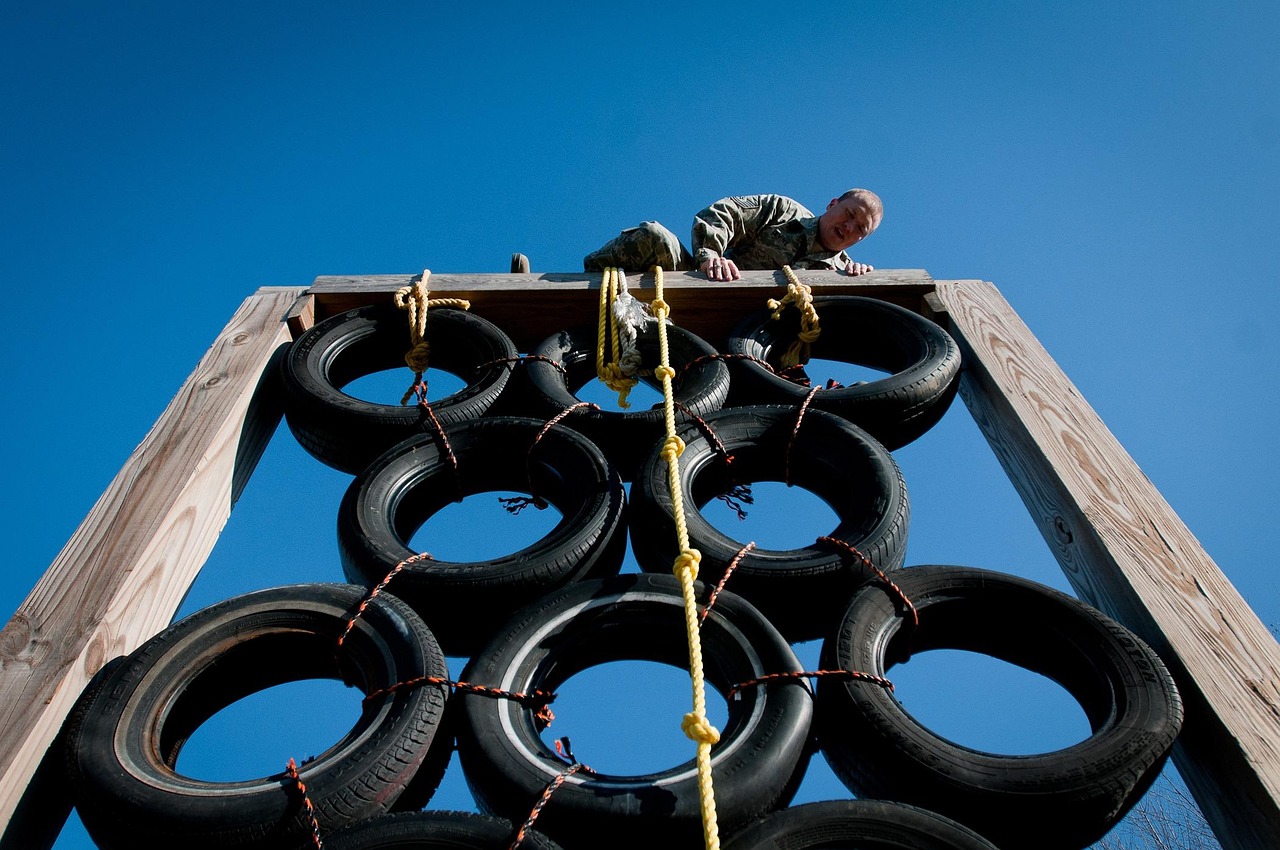
Every obstacle presents a unique challenge that may require specialized techniques for mastering its execution. Establish familiarity with the various obstacles found in typical OCR courses, such as walls, mud pits, and monkey bars. Attempt obstacle-specific drills designed to refine your approach: for walls, practice efficient jumping and climbing strategies; for cargo nets, learn how to distribute weight correctly as you ascend. Mental preparation is pivotal; visualize each obstacle as you train to enhance your confidence. Shadowing experienced racers is also beneficial, as observing them tackle obstacles can reveal valuable tactics. Understand your personal limitations and adapt accordingly, focusing on improving weaknesses while maximizing strengths. Identify which elements of your technique require extra attention and tailor practice sessions to address these areas. Partnering with fellow racers offers an opportunity to share insights and even practice together, making training both constructive and enjoyable. Incorporating mock races can be a fun way to simulate race conditions. These experiences will boost your ability to handle obstacles dynamically and efficiently, ultimately leading to greater success on race day. Your ability to adjust and fine-tune techniques will prove invaluable as you continue to grow.
Incorporating Endurance Training
Endurance training is a vital component contributing to success in obstacle course racing. The format of OCR demands upper levels of both aerobic and anaerobic fitness, combined with strength work. Sustaining energy throughout the race can be challenging, especially given the unpredictability of terrains and obstacles. Long-distance running is essential; incorporate runs at varying paces or durations to build lasting endurance. Once you establish basic stamina, include interval training to focus on bursts of speed, imitating the effort required during races. Additionally, combining running with functional strength drills can more closely mimic the physical challenges you will face during actual competitions, enhancing muscular endurance. Active recovery days are just as important; engage in low-intensity activities such as cycling or swimming to allow your body to recover. Staying hydrated and fueling correctly should not be overlooked; proper nutrition significantly influences performance. Collaborating with nutritionists or following a well-balanced diet plan can make a substantial difference. Finally, regular assessments of your progress help maintain your focus. Listen to your body throughout this training process to prevent burnout and injury, ensuring that you stay on track for improved performances.
Recognizing the Importance of Mental Resilience
The psychological aspect of obstacle course racing is often underestimated, yet it holds significant importance. Mental resilience refers to your ability to maintain focus and composure during challenging situations, particularly as exhaustion sets in. This resilience can be developed through targeted mental training. Visualization techniques, such as vividly imagining yourself succeeding at each obstacle, can be an effective method to boost confidence. When your mind is equipped to tackle challenges, your body responds accordingly. Practice mindfulness or meditation to heighten self-awareness and reduce anxiety, preparing you for race scenarios. Setting achievable goals helps create a positive mindset, ultimately translating to improved performance. Rather than solely focusing on the finish line, break down your goals to focus on mastering each obstacle. Cultivating a growth mindset fosters progress; embrace challenges as opportunities to learn. Consistently reviewing performance enables you to face setbacks without discouragement, acknowledging areas for development. Surround yourself with a supportive community of racers, mentoring one another to ensure everyone stays motivated and inspired. By applying mental strategies alongside physical training, you will enhance overall performance, leading to better results during races.
Final Preparation and Race Day Strategy
The final days leading up to race day require careful planning and strategic preparation. This period allows you to solidify your training, ensuring that you feel ready, both mentally and physically. Avoid heavy lifting or challenging workouts close to the date. Instead, focus on light practice sessions, mobility exercises, and mental visualization techniques. Spend time reflecting on your training journey to build confidence and clear your mind. Plan your race day logistics: determine travel routes, accommodations, and competitors’ details to alleviate stress on the day of the event. Nutrition is critical during this phase; focus on easy-to-digest foods and maintain adequate hydration before and during the race. Familiarizing yourself with the course or reviewing any available maps can provide a strategic advantage. Maintain a positive mindset and affirm your capabilities while embracing excitement rather than fear on race day. Pacing yourself effectively during the event is essential to ensure you maintain energy for all obstacles. Remember, every racer experiences challenges, and resilience will elevate your performance. Learning is a continuous process; regardless of your outcome, treat every race as an opportunity to grow.
As you seek to improve your obstacle course racing techniques, remember that consistent practice and self-reflection go hand in hand. Embrace each challenge, cherishing the growth that comes from both successes and setbacks. Your journey in OCR will undoubtedly enhance your skillset as long as you remain dedicated and passionate. Good luck pursuing excellence!