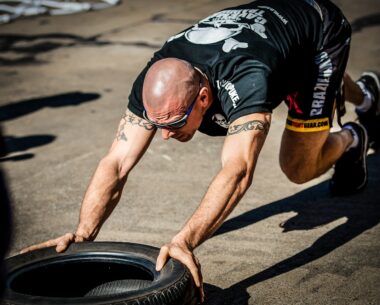

Advanced Functional Training HIIT Workouts for Athletes
Advanced functional training HIIT workouts are specifically designed for athletes looking to enhance their performance in sports. These workouts focus on functional movements that mimic the demands of various athletic activities, thus improving strength, endurance, and agility. Unlike traditional workouts, HIIT emphasizes high-intensity bursts of effort, followed by shorter rest periods, making it efficient for busy athletes. This training method is beneficial for athletes across all sports, enabling the development of sport-specific skills while improving cardiovascular fitness. Many athletes have found that incorporating functional training HIIT into their routine results in noticeable performance improvements. Furthermore, these workouts can enhance the body’s ability to recover quickly, prevent injuries, and reduce fatigue during competitions. In addition, they can be modified to suit different fitness levels, making them accessible to a wide range of athletes from beginners to elite performers. To maximize results from these HIIT sessions, athletes should focus on maintaining proper form, selecting appropriate exercises, and integrating adequate recovery periods. Lastly, consistency in practicing functional training HIIT workouts is key to achieving long-term fitness and performance goals.
Key HIIT Exercises for Sports Performance
There are several key exercises included in advanced functional training HIIT workouts that can significantly boost an athlete’s performance. These exercises typically focus on compound movements that recruit multiple muscle groups simultaneously, promoting strength and coordination. Common examples include kettlebell swings, box jumps, and burpees, all of which elevate heart rate while building functional strength. Kettlebell swings target the hips, glutes, and core, offering powerful benefits for athletic performance. Box jumps develop explosiveness and coordination, essential for sports that require quick directional changes. Burpees, a full-body exercise, enhance endurance and agility, making them ideal for athletes across disciplines. Incorporating core-focused HIIT exercises like plank variations also promotes stability essential for injury prevention. Athletes should also integrate agility drills, such as ladder drills or cone sprints, into their HIIT workouts. These drills improve foot speed and reaction times, critical for competitive environments. Finally, including mobility work to enhance flexibility within HIIT sessions can assist in recovery and range of motion. Utilizing these key exercises ensures a well-rounded approach to performance enhancement and athletic excellence.
When considering the structure of an advanced functional training HIIT workout, it’s essential to plan each session appropriately. A typical workout might start with a proper warm-up, incorporating dynamic stretches to prepare the body for the high-intensity workout ahead. Once warmed up, athletes can proceed to the main workout, which may consist of multiple rounds of selected exercises. Each exercise should last between 30 seconds to one minute, followed by a brief rest period of around 15 to 30 seconds. This structure allows for maximum effort during each bout while minimizing fatigue. Including a variety of exercises promotes engagement and reduces monotony, keeping athletes motivated. Furthermore, it’s beneficial to cycle through different exercises each session to create well-rounded muscular development. After completing the workout, a cool-down phase should not be neglected. This phase involves static stretches focusing on muscle recovery and flexibility. Regular cold showers or foam rolling can also enhance recovery. Finally, it’s important for athletes to track progress throughout their training regimen to note improvements and adjust workouts as necessary.
Nutrition for Enhanced HIIT Performance
Athletes participating in advanced functional training HIIT workouts should pay close attention to their nutritional intake to maximize performance and recovery. Nutrition plays a crucial role in providing the necessary energy needed for intense workouts. A balanced diet rich in whole foods, including lean proteins, complex carbohydrates, and healthy fats, is essential. Carbohydrates are the primary energy source during high-intensity training; thus, athletes should consume adequate amounts pre-workout for optimal energy. It is also important to focus on protein intake post-workout to aid muscle repair; a ratio of 3:1 carbohydrates to protein is often suggested. Hydration should not be overlooked, as proper fluid levels are vital for performance. Athletes may incorporate electrolyte-rich drinks during long sessions to replenish lost minerals. Additionally, timing meals and snacks around training sessions can further enhance performance and recovery. Incorporating nutrient-dense snacks, such as nuts, yogurt, or fruits, can provide a quick energy boost. Educating oneself on portion sizes and meal composition is essential for overall health and workouts. Ultimately, nutritional strategies should be tailored to the individual athlete’s needs.
An often-overlooked aspect of advanced functional training HIIT workouts is the importance of mental conditioning. Athletes can significantly enhance their performance by fostering a positive mindset during training and competition. Various mental strategies, such as visualization techniques, can help athletes envision their success within their sport. Practicing mindfulness and meditation can also reduce anxiety during high-pressure situations, leading to improved focus and performance. Setting specific goals related to HIIT workouts motivates athletes to push their limits, ultimately contributing to long-term athletic development. Maintaining a growth mindset, which embraces challenges and views failures as learning opportunities, is essential for continuous improvement. Working with a sports psychologist or coach can also provide personalized strategies for enhancing mental resilience. Peer support during training sessions can also lead to better accountability and motivation. Athletes may find that joining groups or classes can help keep them engaged and inspired. Creating a training environment that fosters positive energy encourages collaboration and growth among fellow athletes. Lastly, athletes should regularly assess their emotional responses to training to identify areas for improvement that can enhance both performance and enjoyment of their sport.
Injury Prevention Strategies in HIIT
Incorporating strategies for injury prevention into advanced functional training HIIT workouts is crucial for all athletes. These training modalities often involve high intensity and repetitive movements, which may lead to overuse injuries if not managed effectively. To minimize such risks, athletes should prioritize proper form and technique during each exercise. It’s essential to start with lighter weights or lower intensity and gradually build up to avoid undue strain. Additionally, everyone should focus on adequate warm-up routines targeting the muscles and joints to be used. Incorporating dynamic stretching and mobility drills boosts flexibility and active range of motion, decreasing the likelihood of injuries. Using foam rollers or massage techniques can also aid in muscle recovery and release tension from overworking. An important aspect of injury prevention is listening to one’s body; athletes should recognize warning signs of fatigue or discomfort that may indicate a need to rest. Cross-training with different types of workouts improves overall fitness while giving specific muscles a break. Finally, seeking guidance from fitness professionals can assist athletes in developing safe, effective workouts that prioritize injury avoidance and longer athletic careers.
Lastly, maintaining motivation while engaging in advanced functional training HIIT workouts is essential for sustained athletic performance. Athletes often face periods of low motivation or burnout, especially when training intensively. To combat these challenges, setting short-term and long-term goals can create milestones to track progress. These goals should be specific, measurable, realistic, and time-bound to enhance accountability. Joining training communities or workout groups also fosters a sense of camaraderie, helping athletes stay motivated. Sharing experiences and challenges with peers encourages support and shared accountability. Additionally, incorporating variety into workouts reduces monotony, keeping training sessions fresh and exciting. Athletes can change exercises, formats, or locations to maintain interest. Regularly challenging oneself with new high-intensity training regimes builds confidence and motivation. Taking the time to celebrate achievements, however small, reinforces a positive outlook towards training. Creating a fun playlist or partnering with a training buddy can enhance enjoyment during workouts, making them more engaging. Ultimately, maintaining an emotional connection to training strengthens motivation, aids performance, and fosters lasting dedication to fitness.