
Biomechanical Benefits of VR-Enhanced Balance Training in Fitness
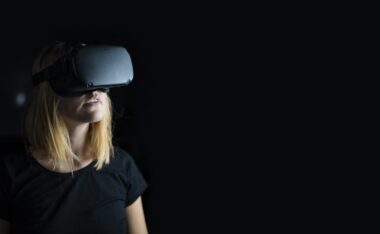
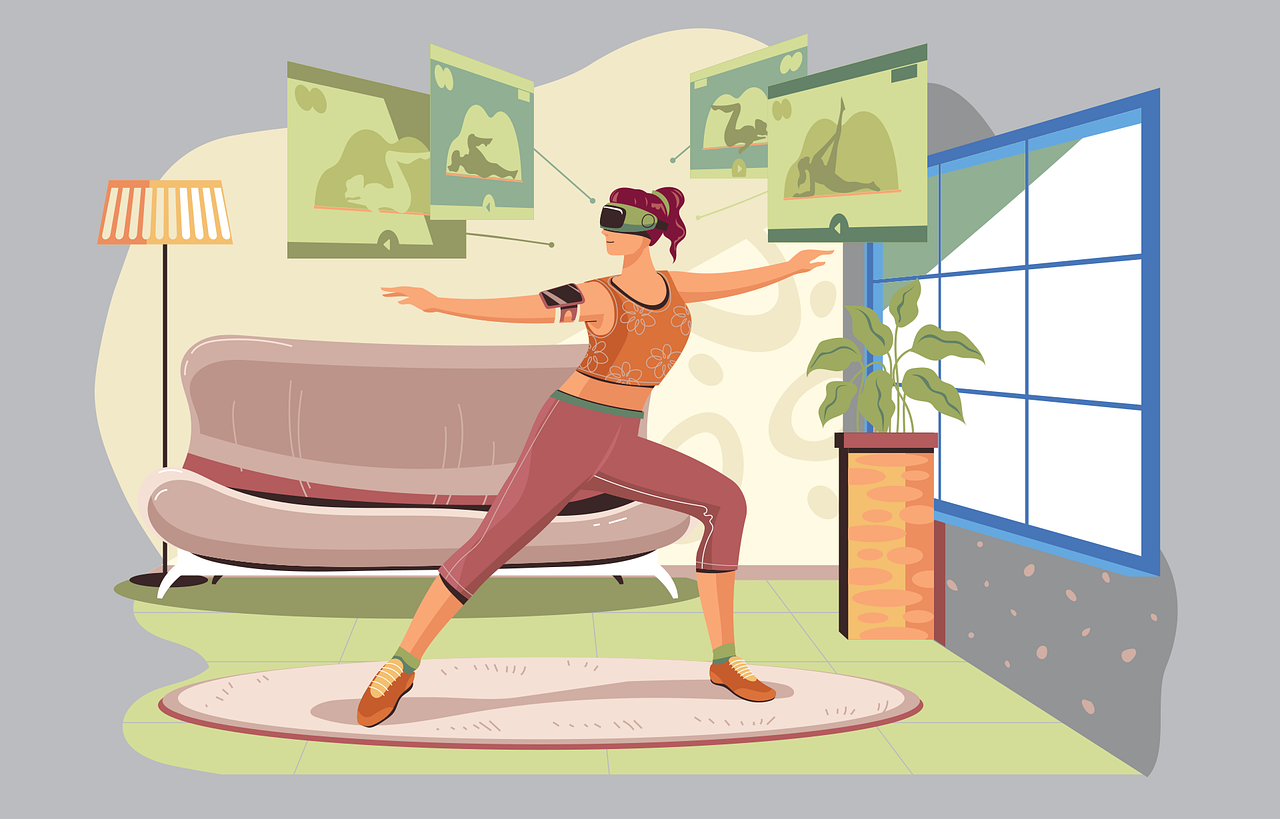
Virtual reality (VR) has emerged as a transformative tool in the realm of fitness, particularly through its applications in biomechanical balance training. Numerous studies suggest that VR can dramatically enhance the training experience by integrating visual and auditory stimuli that engage users. This multisensory approach aids in training muscle memory and improving motor control, essential components of effective balance. Traditional balance training often fails to provide adequate feedback, but VR immerses participants in lifelike scenarios that challenge stability and coordination. Furthermore, such interactive environments compel users to focus their attention which may lead to greater physiological adaptations. By targeting specific biomechanical deficits, VR can personalize training regimens, making it easier to identify and correct balance issues. As fitness professionals adopt VR for balance training, they find that clients respond positively due to increased motivation and engagement. This tech-enhanced method fosters not just physical improvements but also psychological benefits, including a reduction in fear of falling. Individuals at any fitness level can benefit, making VR an appealing option for broad audiences, from athletes to seniors seeking to maintain independence and mobility. Such innovations signal a promising frontier for enhancing physical training methodologies.
Incorporating Immersive Techniques
The incorporation of immersive techniques in VR balance training presents unique biomechanical advantages that traditional methods lack. While conventional training relies on static exercises and real-world equipment, VR facilitates a dynamic environment that adjusts to the user’s performance in real-time. These adaptable settings help to mimic the complexities of daily activities, thereby improving functional strength and coordination. Utilizing gamification elements, VR provides immediate feedback to users, enabling faster recognition of errors in posture and movement. Such instant alerting is crucial for refining balance strategies, which can significantly decrease injury risks. Moreover, the motivation factors embedded in VR environments can drive consistent and longer engagement in training programs. Participants may find themselves exercising longer, challenging their upper and lower body stability spontaneously. This increased involvement leads to better repetitions and an impressive enhancement of overall fitness levels. The combination of mental engagement and physical challenge helps establish profound neurological connections that solidify balance ability over time. Enhanced neuroplasticity, driven by repeated VR experiences, actively reinforces muscles, improving proprioception and coordination, thus equipping users with superior balance skills crucial for both athletes and everyday movements.
Research indicates that VR-enhanced balance training can lead to long-lasting improvements in physical fitness. A series of studies have shown that participants engaging in VR programs exhibit greater gains compared to those who train with conventional techniques. This observational data aligns with the brain’s adaptability when challenged by novel environments, leading to superior biomechanical interventions. Training in VR encourages users to respond to unexpected shifts in balance, teaching them how to stabilize effectively under varying circumstances. Furthermore, the blend of the real and virtual in these training sessions allows participants to make mistakes in a controlled environment, fostering confidence as they learn to correct balance discrepancies. Participants also report higher enjoyment levels, leading to improved adherence to exercise routines. With advancements in technology, the integration of realistic feedback systems has led to training regimens that not only challenge the body but also stimulate cognitive processes, promoting learning and retention of techniques. Integrating a virtual audience and social competitiveness can enhance motivation, while diverse scenarios improve adaptability. These outcomes suggest that VR is reshaping our understanding of fitness and biomechanical training, paving the way for innovative approaches that yield significant health benefits.
Another significant biomechanical benefit of VR-enhanced balance training is its ability to cater to specific populations with unique needs. For individuals recovering from injury or surgery, personalized VR training modules can be designed to focus on rehabilitation while keeping the user engaged. The inability to perform high-impact activities can be disheartening; however, VR allows practitioners to create low-impact simulations that facilitate recovery without stressing vulnerable areas. This customized rehabilitation enhances user compliance and boosts morale by maintaining a sense of normalcy during the recovery process. Senior citizens, particularly those at risk of falls, also benefit significantly from this innovative training approach. VR scenarios designed to navigate everyday challenges enhance their situational awareness and improve reaction times. They can practice crucial balance skills in a safe setting, reducing fall-related injuries that commonly afflict this demographic. As healthcare providers explore VR solutions, the potential for improving patient outcomes becomes clear. The data collected during training can be analyzed to continually adapt programs according to progress, making modifications necessary for individual improvement, thus showcasing how biomechanical balance training via VR can serve both therapeutic and preventative roles.
Furthermore, the socioemotional aspects of using VR in balance training enrich the overall experience. Participants experiencing improvement in balance skills often report boosted self-esteem and decreased anxiety in movement. Traditional training models sometimes cultivate stress or embarrassment over potential failures. In contrast, VR environments provide a nonjudgmental space where users can confront their challenges freely. Feelings of achievement are enhanced by tackling complex scenarios that evolve in response to their actions, further reinforcing competence. Additionally, community-building elements present in some VR platforms help foster social connections among users, creating supportive environments crucial for sustained success. The social interaction found within these virtual platforms motivates participants, encouraging them to commit to their fitness journeys. Moreover, facilitating virtual fitness classes, where users can engage in group training via avatars, not only adds a dimension of fun but also promotes accountability. The peer dynamics increase motivation to achieve fitness goals collectively, reducing feelings of isolation. Thus, the socioemotional benefits intertwined with VR methods not only enhance balance training efficacy but also transform the overall psychological experience associated with maintaining physical health.
Conclusion: The Future is VR
In conclusion, the biomechanical benefits of incorporating VR-enhanced balance training extend beyond mere physical improvements; they encompass psychological and emotional dimensions shaping modern fitness regimens. The evidence endorses VR as an innovative solution that meets the diverse needs of populations aiming for improved balance. As technology evolves, the precision in biomechanics ensures that individualized programs will target specific goals effectively. The adaptability of VR in regulating user interactions and challenges sets this training method apart from conventional practices. Moreover, the emotionally supportive environments created through VR facilitate a deeper connection to fitness journeys, heightening motivation, reducing stress, and reinforcing the fun in training practices. Continued research is essential to explore the nuances of VR technology further, ensuring its application reaches its full potential in varied demographics. Health professionals must embrace this evolution, recognizing the strides it provides in bridging gaps in existing training programs. With the scientific community’s validation and the growing popularity of this technology, it is evident that VR-enhanced balance training represents a significant leap forward in the pursuit of effective and engaging fitness solutions across the continuum of human experience.
The integration of VR technology into biomechanical training models promises not only improved outcomes but also a redefined experience for users of all ages and fitness levels. As fitness trends continue to evolve with advancements in technology, it is crucial for stakeholders to invest in research and practical applications of VR. The broad potential reaches from rehabilitation settings to dynamic fitness environments such as gyms or home workouts. Individuals embracing VR-enhanced balance training can expect to develop not only improved biomechanical skills but also an overall sense of well-being. Therefore, as we move deeper into this new era of fitness, one thing remains clear: the convergence of physiotherapy, fitness training, and technological innovation is paving the way for a promising future, transforming lives. By capitalizing on immersive educational techniques and understanding user experiences, we can create programs that cater to varying needs while promoting healthy living standards for everyone. This interconnected approach will enhance fitness journeys and redefine norms around balance training and overall health. As VR continues to evolve, the responsibility lies with professionals in the health and wellness sectors to harness its potential and ensure that it is utilized effectively to benefit society as a whole.
This exploration of biomechanical benefits stands as a testament to the changing nature of fitness and wellness, embracing technology as an ally in fostering health. By understanding how VR can support both physical and emotional growth in users, we redefine success metrics in fitness. Enhanced motivation, better balance skills, and cognitive benefits can result from these groundbreaking training modalities. As more individuals recognize the advantages of VR-enhanced training, we anticipate a shift in fitness culture towards more engaging and enriching practices. Moreover, as the popularity of these training methods rises, so too does the demand for skilled facilitators and healthcare providers trained in VR applications. Future research may focus on optimizing protocols for diverse populations, integrating VR seamlessly into existing frameworks. The prospect of marrying technology and kinesiology opens the door to exciting advancements in physical therapy, athletic training, and wellness programs. Encouraging healthy lifestyles through innovative solutions speaks to the heart of effective fitness training. Ultimately, those embracing VR-enhanced balance training can expect to realize continuous growth, normalization of technology in fitness, and a brighter future for health and well-being across communities.