
Role of Protein in Plyometric Training: How Much and When to Consume
Plyometric training involves explosive movements that enhance strength and power, making protein intake crucial for athletes involved in this training. Protein not only aids in muscle repair but also supports recovery after intense plyometric workouts. For athletes engaging in high-volume plyometric exercises, sufficient protein helps to maintain muscle mass and promotes quicker recovery times. It mitigates the risk of muscle breakdown and fatigue, potentially improving performance in subsequent training sessions. Given the demands of plyometrics, it’s recommended that athletes comprehend the role of protein timing and quality. Proper timing of protein consumption can significantly alter muscle recovery and performance outcomes. Many athletes often underestimate their daily protein requirements, which can directly influence their overall training success. Keeping a balanced diet rich in high-quality protein sources is essential. Whether through whole foods or supplements, athletes must determine their optimal protein intake needs. There are various methods to achieve the required protein levels, establishing dietary strategies that focus on achieving peak performance. Consulting with a nutritionist can further tailor these needs to individual requirements, ensuring proper adherence to ideal protein consumption.
Daily Protein Requirements for Plyometric Athletes
The daily protein requirements for plyometric athletes can vary significantly based on individual goals and body composition. Typically, athletes should consume between 1.2 to 2.0 grams of protein per kilogram of body weight. For a 70 kg athlete, this would equate to approximately 84 to 140 grams daily. This range accounts for muscle repair needs and energy replenishment after explosive workouts. Consuming protein at this level can enhance hypertrophy and strength gains, promoting a favorable muscle adaptation to plyometric training. Additionally, the timing of protein intake should be strategically planned around workout sessions. Post-exercise recovery windows, typically within 30 minutes to two hours, are optimal for protein consumption, facilitating immediate muscle repair. Athletes may consider distributing protein intake evenly across meals, ensuring each meal has a significant portion to maximize muscle protein synthesis. Those engaged heavily in plyometric activities must adapt their diet accordingly, incorporating protein-rich snacks or supplements. Furthermore, total daily caloric intake should also be prioritized alongside protein intake. Focusing holistically on nutrition will bolster athletic performance while ensuring that athletes are fueled adequately during high-intensity training periods.
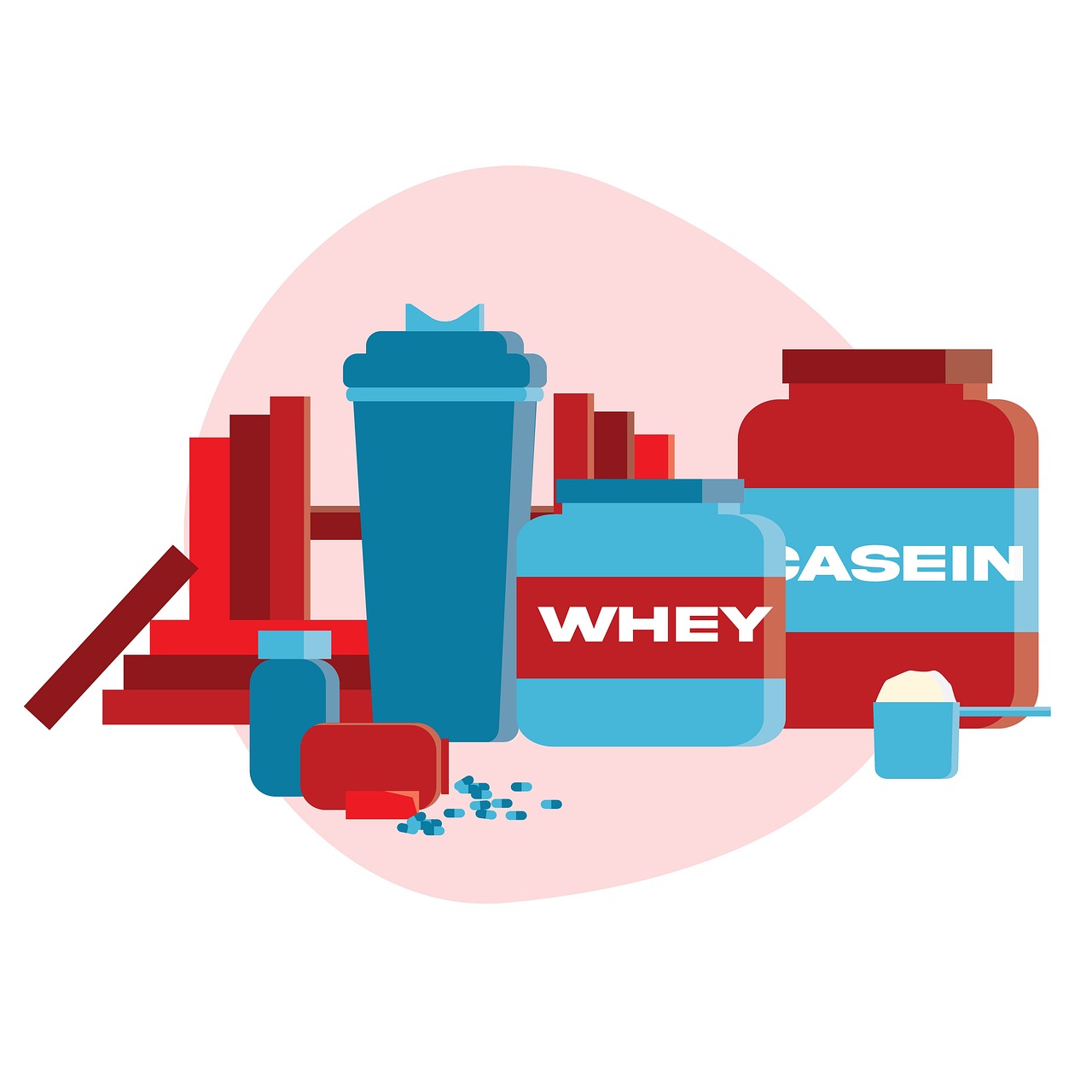
When choosing protein sources, plyometric athletes should prioritize high-quality proteins, which facilitate better recovery and results. Sources like lean meats, dairy products, eggs, and plant-based proteins are excellent choices. Incorporating a diverse range of protein sources ensures that athletes also benefit from varied nutrients essential for overall health. For instance, lean meats provide complete proteins and vital vitamins. Dairy products not only supply protein but also calcium, promoting bone health, crucial for an athlete’s structural integrity during training. Moreover, plant-based proteins, rich in fiber, contribute to digestive health, another vital aspect of nutritional quality. It’s important to note that not all proteins are created equal. Preferred protein sources should offer a suitable amino acid profile to ensure optimal muscle recovery. For athletes engaging in heavy plyometric activities, whey protein supplements may be considered for immediate post-workout consumption, as they absorb rapidly. Conversely, casein proteins are beneficial for overnight recovery due to their slow digestion. Ultimately, selecting the right mix of protein sources and supplements can significantly impact recovery timelines and overall performance in plyometric training.
Impact of Inadequate Protein Consumption
Inadequate protein consumption can have detrimental impacts on plyometric athlete performance, recovery, and overall training outcomes. Insufficient protein intake can result in muscle degradation, impairing recovery and increasing fatigue post-exercise. This may lead to longer recovery times and decreased workout efficiency. Athletes participating in rigorous plyometric training without adequate protein are often at risk of not achieving their optimal performance potential. Additionally, insufficient protein can impact the immune system, making athletes more susceptible to illnesses. This could further hinder an athlete’s training schedule, affecting overall fitness. Furthermore, a lack of protein can increase the chances of injury during workouts, as low protein levels can compromise muscle strength and repair. Ultimately, this can lead to a performance plateau, as the body struggles to adapt and recover from the physical stress of plyometric exercises. Regularly monitoring protein intake can help mitigate these risks. Athletes may benefit from scheduling nutrition evaluations to continually assess their dietary needs. Focusing on a balanced diet rich in sufficient high-quality protein can help avoid these negative impacts, ensuring peak performance at all times.
Hydration also plays a crucial role in conjunction with protein consumption for plyometric athletes. Maintaining adequate hydration levels facilitates nutrient transport, critically impacting performance and recovery. Dehydration can significantly hinder protein metabolism, compromising recovery efforts. Athletes should aim for a hydration strategy encompassing both water and electrolyte intake, especially following intense plyometric workouts. Hydration status can influence protein synthesis rates, therefore emphasizing its importance alongside protein consumption. Furthermore, the timing of hydration in relation to protein intake can amplify recovery benefits. Drinking fluids with protein-rich meals or supplements can enhance nutrient absorption, boosting muscle repair effectiveness. Planning nutrient timing—including hydration—allows for maximum recovery benefits, enabling athletes to perform at their best consistently. The interplay between hydration and protein intake establishes a solid foundation for optimizing athletic performance and recovery in plyometric training. During higher intensity training phases, employing tracking methods for hydration and protein consumption can be particularly effective. Utilizing apps or journals may help athletes monitor their intake more effectively, ensuring they meet their nutritional goals to support intense training objectives. Proper hydration and protein strategies will set the stage for superior athletic performance.
Conclusion: Tailoring Protein Intake for Maximum Performance
In conclusion, tailoring protein intake appropriately is imperative for plyometric athletes seeking to optimize their performance and recovery. Establishing an individualized nutrition plan that matches personal training goals will yield the best results. Athletes need to understand their protein needs based on their training intensities and body types, allowing them to create a custom approach that uses both whole foods and supplements. As muscle repair and growth hinge on adequate protein supply, athletes should prioritize protein-rich meals before and after training sessions. Moreover, focusing on variety in protein sources ensures that essential nutrients are not overlooked. This aids in optimizing recovery while providing critical vitamins and minerals that contribute to athletic performance. Additionally, athletes should consistently revisit and adjust their nutrition strategies to align with changing training cycles and personal progress. Frequent assessments will support quantifying success and pinpoint areas requiring focus. Employing balanced hydration, nutrient timing, and protein intake collective strategies enhances overall training outcomes. Through dedicated commitment to a well-rounded nutritional approach, plyometric athletes can unlock their full potential and succeed in their respective sports while minimizing injury risks.
Effective recovery and performance enhancements will ultimately elevate plyometric athletes to new levels, allowing them to thrive amidst their demanding training regimens. By staying informed and proactive regarding nutrition, these athletes can ensure they attain their desired results and maintain optimal health. One of the most effective ways to enhance understanding of the protein’s role involves professional guidance from a certified sports nutritionist. Personalized advice offers insights that cater to an athlete’s unique circumstances, including dietary preferences and performance goals. This practice not only supports ongoing athlete education but also facilitates better choices in food selections, ultimately impacting performance positively. A tailored nutrition strategy placing protein at its core stands as fundamental to long-term athletic success. In essence, this comprehensive approach to nutrition extends beyond simply protein intake. The combination of protein, carbohydrate, fat sources, vitamins, and minerals contribute collectively toward achieving superior performance. As athletes advance, they must recognize that nutrition forms the backbone of successful training outcomes. Proper education and resources will empower athletes while ensuring the balance between risk management and high performance remains intact, fostering resilience against fatigue during intense plyometric training.
In conclusion, the significance of protein for plyometric athletes cannot be overstated, requiring careful attention to consumption quantities and timing. Athletes must actively manage their nutrition by ensuring that they meet optimal protein requirements in line with their physical demands. Assessing individual needs alongside continual reflections on performance and dietary habits is critical. Fueling the body adequately can yield dividends in improved athletic outcomes, remarkable recovery, and robust health. Partners in nutritional guidance, including coaches and nutritional specialists, offer valuable advice that can enhance adherence to these guidelines and provide constructive recommendations. By integrating these practices into their training routines, plyometric athletes can cultivate resilience against the physical demands of their respective sports. This holistic perspective equips athletes with an advantage in their training programs, ensuring that they not only meet their protein needs but also harmonize their overall nutritional strategies effectively. The journey towards outstanding performance is an assemblage of intelligent choices that interlink both athletic progress and nutritional wisdom. Ultimately, informed actions regarding protein intake could be the catalyzing factor in realizing an athlete’s potential to excel in plyometric training.