
The Influence of Gut Health on Plyometric Training Outcomes
The relationship between gut health and athletic performance, particularly in plyometric exercises, is gaining significant attention. Plyometric athletes depend on explosive movements to optimize their performance, which can be influenced by various factors including nutrition, recovery, and mental well-being. Gut health is crucial because the digestive system plays a significant role in nutrient absorption, impacting energy levels and recovery times. Athletes who maintain a healthy gut are likely to perform better, as they can efficiently absorb essential nutrients necessary for muscle repair and energy replenishment. Furthermore, a healthy gut microbiome can enhance overall immunity, helping athletes to stay healthy and reduce downtime during the season. In contrast, poor gut health can lead to inflammation and fatigue, which may impair performance. Thus, focusing on gut-friendly foods and probiotics, along with adequate hydration, can create a stable internal environment. Prioritizing gut health can result in improved outcomes during plyometric training, showcasing the profound connection between nutrition and athletic performance. Achieving balance in gut health represents a strategic approach to enhance plyometric efficiency.
The importance of a balanced diet rich in fiber cannot be overstated for plyometric athletes aiming for optimal performance. Consuming a variety of whole foods, such as fruits, vegetables, and whole grains, ensures an adequate intake of prebiotics that nourish beneficial gut bacteria. These prebiotics can improve gut health, leading to better nutrient absorption and enhanced energy levels. Foods rich in omega-3 fatty acids, such as fatty fish and flaxseeds, help reduce inflammation, alter gut microbiota positively, and support recovery during intense training phases. Avoiding processed foods high in sugars and additives is critical, as these can disrupt gut microbial balance, leading to potential gastrointestinal issues. Incorporating fermented foods like yogurt, kefir, and sauerkraut into the diet can promote microbial diversity and overall gut health, providing additional benefits. Moreover, hydration supports digestion and nutrient transport, making it essential for plyometric training athletes. Staying well-hydrated aids in maintaining performance during workouts while minimizing fatigue. Emphasizing nutrition tailored to promote an optimal gut environment can positively impact plyometric training outcomes.
Gut Microbiome and Inflammation
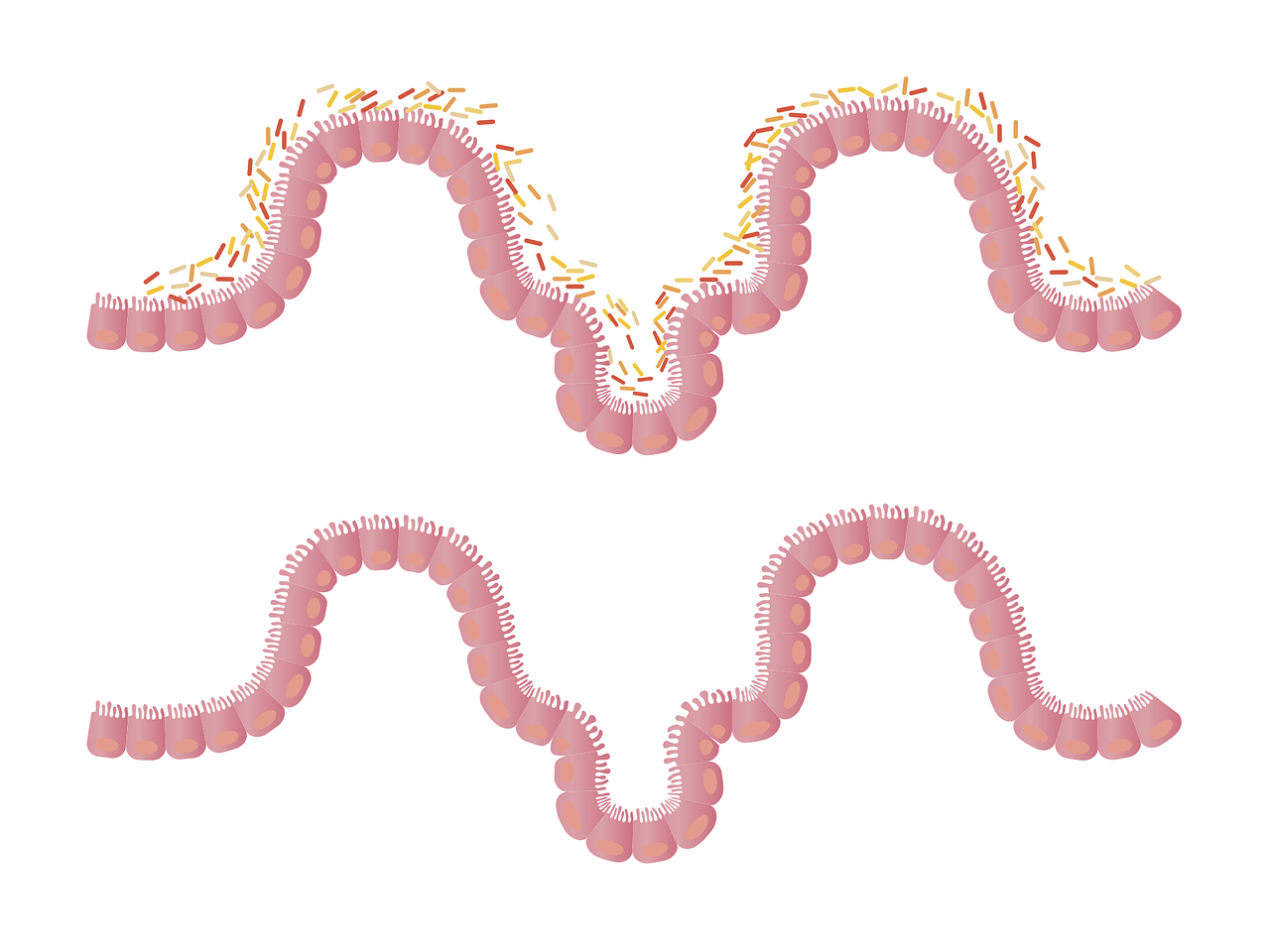
The gut microbiome plays a pivotal role in modulating inflammation, which can significantly impact plyometric training results. A well-balanced gut microbiota can mitigate inflammation and promote recovery through the production of short-chain fatty acids. These compounds facilitate energy metabolism and can have anti-inflammatory effects, enhancing an athlete’s performance. Stress, overtraining, and inadequate nutrition can alter gut microbiome composition, leading to increased inflammation and reduced physical performance. Plyometric athletes are particularly prone to injury due to high-impact training, making it crucial to monitor gut health continually. Research has shown that interventions to improve gut health can lead to decreased markers of inflammation, thereby enhancing recovery and performance outcomes. Athletes should integrate strategies to promote a healthy gut ecosystem, such as regular exercise, adequate sleep, and mindful eating habits, into their training regimens. Additionally, understanding individual dietary needs and how they interact with gut health can further tailor nutrition for optimal performance. Focusing on the microbiome may become a critical factor for plyometric athletes looking to sustain competitive advantage.
Probiotics are often utilized to enhance gut health, making them particularly relevant for plyometric athletes seeking to optimize their nutrition. These beneficial microorganisms can help restore microbial balance, beneficially impacting digestion and nutrient absorption. Adopting a diet that includes probiotic-rich foods, such as fermented vegetables and yogurt, can support athletic performance. Furthermore, probiotics can enhance immune function, helping athletes fend off common illnesses that could disrupt training schedules. Controlled studies have indicated that specific probiotic strains may also assist in reducing exercise-induced gastrointestinal distress during intense plyometric workouts. This can lead to better overall performance and a more consistent training program. Additionally, maintaining a healthy gut environment helps regulate metabolism, ensuring that athletes have the energy required to perform explosive movements effectively. While supplements can offer convenience, focusing on whole food sources of probiotics is often recommended to achieve a more comprehensive range of benefits. Ultimately, combining a diet rich in probiotics with sufficient protein intake can create a robust nutritional foundation for plyometric athletes, allowing them to reach peak performance.
Nutritional Timing and Plyometric Performance
Nutritional timing is an essential aspect that athletes must consider to optimize plyometric training outcomes. Understanding when to consume specific nutrients can assist in achieving peak performance, energy levels, and efficient recovery. For plyometric athletes, consuming carbohydrates prior to training sessions provides the necessary fuel for high-intensity workouts, enhancing explosive power and agility. Combining carbohydrates with protein in post-workout meals or snacks is vital for muscle recovery and repair, promoting an overall improved training effect. Immediate post-workout nutrition should contain easily digestible carbohydrates and proteins to replenish glycogen stores, support muscle synthesis, and facilitate effective recovery. This can directly influence subsequent training sessions and overall performance. Additionally, hydration plays a pivotal role in nutrition timing, as dehydration can impair performance and recovery. Athletes should aim to stay hydrated before, during, and after training. Strategic planning around nutritional intake can substantially affect how the body responds during plyometric workouts and impacts training outcomes, highlighting the importance of a tailored nutritional regimen for optimal plyometric performance.
The psychological aspect of nutrition in relation to gut health cannot be overlooked in plyometric training either. Understanding the connection between stress, mood, and gut health has profound implications for athletic performance. Stress can negatively influence gut microbiota, potentially leading to gastrointestinal distress and compromised performance. For plyometric athletes, maintaining mental well-being along with physical health is vital. Incorporating stress management techniques into training regimens, such as mindfulness and relaxation practices, can foster a positive mindset and promote better digestion. Athletes should also build supportive social networks to share experiences around nutrition and performance. Ultimately, combining dietary strategies with mental health practices creates a holistic approach to training. Engaging in open discussions about gut health and nutrition among peers and coaches enhances personal responsibility for one’s nutrition. Cultivating an awareness of how gut health influences not just physical performance but mental well-being too can empower athletes, offering them additional tools for success in their plyometric training journeys.
In conclusion, optimizing gut health is essential for plyometric athletes aiming to enhance their training outcomes. Nutrition, hydration, and psychological factors collectively contribute to the efficiency of plyometric performance. By focusing on gut-friendly foods, maintaining a balanced diet, and prioritizing hydration, athletes can create an environment conducive to peak performance. Eating the right foods at the appropriate times facilitates nutrient absorption while reducing fatigue and inflammation, thereby improving workout efficacy. Probiotics, along with prebiotics, represents an integral part of this nutritional strategy. Athletes must remain vigilant about their gut health and understand how dietary adjustments can enhance performance substantially. Emphasizing gut health in conjunction with a comprehensive approach to training can reinforce long-term progress. It is essential for athletes to be aware of their individual nutritional needs and adjust accordingly. By doing so, they can maximize their explosive training outcomes and maintain physical health throughout rigorous training periods. Cultivating awareness in nutrition and digestive health has profound implications, enhancing athletic performance in the competitive world of plyometrics. Adopting an integrated approach can pave the way for sustained success.