
Advanced Yoga Poses for Elite Athletic Performance
Elite athletes understand that combining physical training with mental discipline is essential for peak performance. Advanced yoga asanas can significantly enhance strength, flexibility, and focus, all of which are vital for maximizing athletic potential. Integrating yoga into your training regimen can offer various benefits, such as improved balance, recovery, and overall body awareness. Some essential poses suitable for athletes include the Warrior series, Tree Pose, and Downward-Facing Dog. These poses help in building core strength, stabilizing the body, and improving posture. One notable benefit of incorporating yoga is the development of better breathing techniques, which can lead to improved endurance during intense physical activity. Additionally, a yoga practice can reduce the risk of injury by promoting muscle recovery and enhancing joint health. Engaging in yoga also cultivates a sense of mental calm and clarity, allowing athletes to visualize and concentrate during competition. For best results, consider attending classes taught by qualified instructors who understand the specific needs and challenges that athletes face in their respective sports. This tailored training can help athletes understand how to use yoga effectively within their performance routines for greater success.
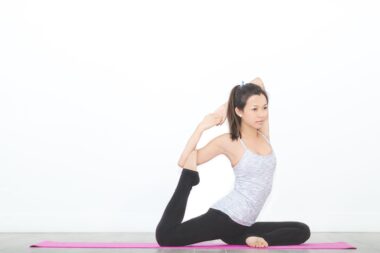
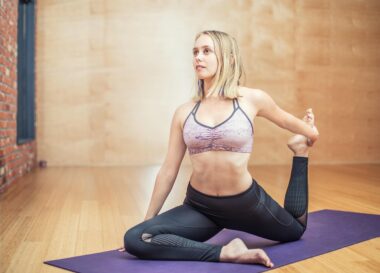
Another significant aspect of yoga for athletes is the focus on mobility and flexibility. The practice encourages the body to move freely and fluidly, which is particularly valuable for sports that require a wide range of motion. Many athletes often overlook stretching as a part of their training, but it plays a crucial role in preventing injuries. Poses like Pigeon Pose, Cobra, and Hip Openers can loosen tight muscles and improve the elasticity of the joints. Flexible athletes are generally more capable of achieving the necessary moves and stunts required by their sport, ultimately leading to better performance. In addition, incorporating yoga can aid in mental preparation. Many athletes benefit from the meditative aspects of yoga, which can help alleviate pre-competition anxiety. Developing a mindful practice through focused breathing and meditation enhances concentration and focus, vital elements during high-pressure situations. A regular yoga routine also helps athletes build stamina, allowing them to endure longer training sessions and competitions. Recognizing and unlocking this potential through yoga can lead to substantial improvements that translate into tangible results during competitions.
Essential Poses for Optimal Performance
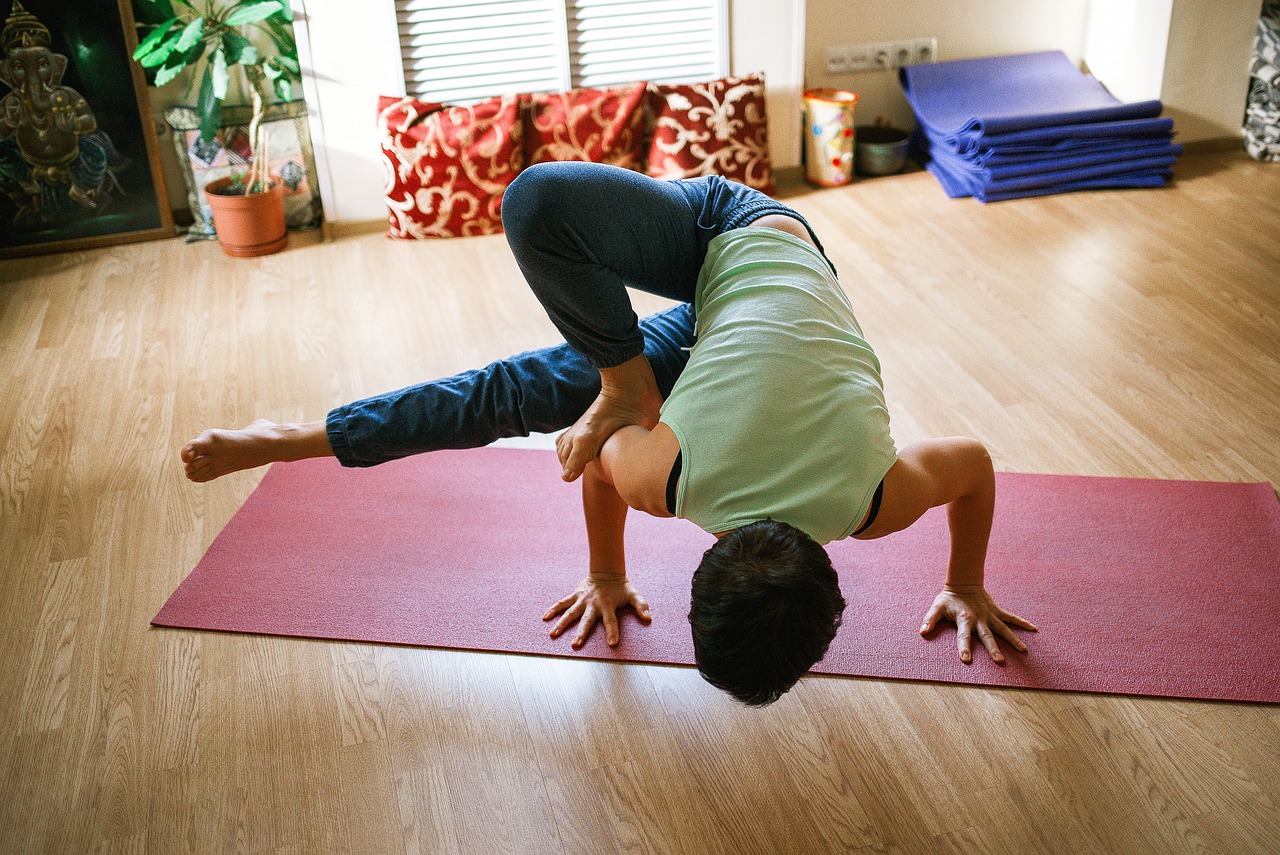
Focusing on specific advanced yoga poses can optimize athletic performance across various sports. Triangle Pose is a perfect example of a pose that not only enhances flexibility but also promotes strength and stability. This potent pose engages multiple muscle groups simultaneously while improving balance and coordination. Another outstanding asana is the Crow Pose, which develops arm strength and core stability crucial for any athlete. It requires focus, determination, and the ability to push past comfort zones, allowing athletes to cultivate a growth mindset. Incorporating back-bending poses like the Wheel can improve spinal flexibility while opening the chest for better breathing and lung capacity, essential for endurance sports. These poses can also facilitate better circulation, thereby enhancing nutrient delivery to muscles during workouts. When progressing to more advanced variations, athletes must maintain proper technique to prevent strain or injury. Consultation with an experienced instructor or online resources can help ensure correct alignment while practicing these challenging poses. As athletes gain experience and confidence, they may discover new levels of ability and performance, enhancing their overall athletic journey.
In addition to building flexibility and strength, advanced yoga poses also emphasize proper breathing techniques. Breath control is paramount in sports; athletes can significantly enhance performance by mastering techniques such as Pranayama. This practice focuses on controlling breath, promoting relaxation and stamina. When faced with the challenges of competition, athletes equipped with effective breathing exercises can maintain composure under pressure. Utilizing breath awareness during yoga practice translates seamlessly into sports performance, as athletes learn to regulate their heart rates and anxiety levels. Furthermore, yoga fosters a sense of connection between the body and mind, enabling athletes to remain present in their physicality. This mindfulness aids athletes in managing pain and discomfort that may arise during intense training, helping them push limits while ensuring safe practices. Regularly implementing mindful breathing techniques can enhance recovery times as well. Athletes who prioritize both physical and mental aspects of their training will derive greater benefits from their workouts. Committed yoga practice can produce profound changes in athletic performance, yielding higher levels of resilience and adaptability in both individual and team sports.
Integrating Yoga into Training Routines
Incorporating yoga into an athlete’s training schedule requires thoughtful planning and flexibility. Finding the right balance among various training techniques is pivotal for achieving performance goals without risking burnout or injury. Scheduling yoga sessions two to three times weekly can help athletes maintain a balanced regimen, allowing for sufficient recovery and strength conditioning. Athletes should identify specific times during the week when they feel physically fatigued, as these moments are optimal for gentle yoga practices focused on recovery. Active recovery through yoga involves engaging in restorative poses that help release tension and promote muscle healing. Moreover, complementing yoga with specific sport drills amplifies the benefits of both practices, leading to improved performance. Athletes should also explore different styles of yoga to determine which resonates best with their individual needs, whether focusing on Power Yoga for strength or restorative forms for recovery. Listening to one’s body becomes essential during this process; adjustments in the routine might be necessary based on energy levels and training cycles. Flexibility in planning will create an overall more holistic training approach benefiting athletes long-term.
The supportive community aspect of practicing yoga also benefits athletes. By engaging in group classes, athletes can find encouragement and camaraderie, promoting motivation in their overall training journey. Whether participating in local studios or classes, an inclusive environment fosters personal growth and connection among participants. One potential outcome is enhanced accountability; when surrounded by like-minded individuals, athletes are more inclined to commit to their practices and remain consistent. This shared commitment to personal training elevates the experiences of all members. Furthermore, experienced yogis can offer valuable insights, tips, and encouragement to help enhance each other’s practices. Building these connections can facilitate networking opportunities and provide mentorship. Some athletes may even consider developing workout partnerships, allowing for shared goals in physical training. By supporting one another, athletes can reinforce their dedication to pursuing excellence, leading to improved results in performance. Establishing trust within a supportive community can also create an inviting atmosphere for individual exploration in yoga and overall fitness. Engaging with fellow athletes creates a platform for motivation, innovation, and holistic growth.
Long-Term Benefits of Yoga for Athletes
Finally, the long-term benefits of maintaining a dedicated yoga practice for athletes cannot be overstated. Integrating yoga into regular workouts contributes significantly to improved athletic performance and overall well-being. Athletes can cultivate a deeper connection with their mental and physical aspects through sustained practice, leading to overall growth and resilience in their sport. Long-term engagement in yoga promotes longevity in athletic careers by minimizing the risk of injury, encouraging ongoing participation, and nurturing peak performance for extended periods. Additionally, regular yoga practice may instill a greater understanding of mind-body leadership that goes beyond the mat. Athletes will adapt better to techniques that enhance performance while also remaining open to new trainable skills. Furthermore, the therapeutic benefits of yoga may lead to increased post-event recovery, enabling athletes to bounce back sooner after attempting to achieve peak performances. The self-awareness fostered through yoga paves the way for enhanced mental preparation, allowing athletes to establish clear objectives and anticipate challenges. Through mindfulness and reflection, athletes can hone their skills and achieve their aspirations.
In conclusion, advanced yoga poses provide significant benefits for elite athletes aiming to maximize their performance. By embracing the powerful synergy between body and mind, dedicated practice allows for improved strength, flexibility, mental clarity, and emotional stability. Athletes can access untapped potential within their physical capabilities through yoga, ultimately leading to enhanced performance across various sports disciplines. The positive impact of adding yoga to a training regimen is evident in the holistic growth it promotes, enabling athletes to excel on and off the field. Creating a robust yoga practice helps athletes remain resilient, adaptable, and equipped for the ever-evolving challenges of their respective sports. Effective communication between instructors and athletes can foster personalized guidance, enhancing individual needs. Collaboration within yoga communities creates support networks that aid each individual in their journey. Athletes should recognize health benefits and embrace yoga as a lifelong practice rather than a short-term solution. By integrating advanced yoga into their routines, athletes will continue to thrive, nurturing both their bodies and minds for years to come.