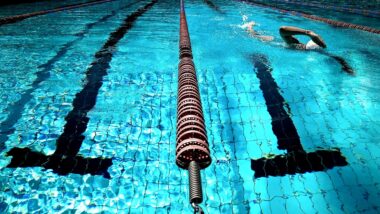

Swimming for Improving Athletic Performance in Other Sports
Swimming is an excellent cross-training option for athletes from various sports, helping to enhance overall performance. First, it promotes cardiovascular endurance, crucial for nearly every physical activity. As swimmers engage multiple muscle groups, they strengthen their cores, arms, and legs. This full-body workout not only builds strength but also refines coordination and balance. Furthermore, swimming is a low-impact exercise, reducing injury risks, particularly for those with joint problems. Competitive athletes can incorporate swimming sessions to improve their speed and agility, translating these benefits back to their primary sports. Additionally, swimming enhances lung capacity and breathing techniques, vital for sports requiring sustained exertion. The rhythmic nature of swimming fosters mental focus, improving concentration levels over prolonged matches. This mind-body connection benefits athletes in high-stakes situations, as emotional resilience develops through overcoming swimming challenges. Whether it be a runner, cyclist, or team player, swimming boosts recovery and aids muscle relaxation. Athletes often report heightened energy and reduced fatigue, making swimming an effective addition to rigorous training regimens. In summary, swimming effectively elevates athletic performance across various disciplines by enhancing physical and mental capabilities.
Moreover, the versatility of swimming offers athletes various styles to suit different training goals. Each swimming stroke—freestyle, breaststroke, backstroke, and butterfly—targets specific muscle groups while promoting overall fitness. For instance, freestyle strengthens the core and engages the upper body effectively, while breaststroke emphasizes leg strength and endurance. Athletes can tailor their swimming workouts to focus on desired outcomes, benefiting skillsets that transfer seamlessly to their primary sports. Timed intervals or distance swims can be integrated into a training plan, improving speed and performance metrics. Swimming drills, such as sprints or technique-focused laps, can concentrate on skill improvement, further benefiting athletes. Incorporating drills and varied sets can prevent plateauing in performance, keeping training sessions fresh and engaging. Likewise, swimming encourages recovery after high-impact sports or strenuous workouts. The buoyancy of water relieves stress on muscles and joints, allowing for gentle movement and flexibility training without added strain. Athletes often find that they can maintain fitness while healing from injuries through swimming. This combination of strength, technique, endurance, and recovery showcases why swimming remains a preferred training method.
The Science Behind Swimming’s Benefits
A plethora of scientific studies supports the benefits of swimming for enhancing performance in other sports. Research shows that regular swimming leads to improved VO2 max, a key indicator of aerobic capacity. This increase offers athletes significant advantages during competition, allowing for sustained energy and speed. The low resistance of water facilitates greater movement efficiency, enabling athletes to exercise longer without exhaustion. Furthermore, the principles of resistance training apply here: water provides greater resistance than air. Consequently, swimmers develop muscle power effectively, which is critical for explosive sports like football or basketball. Additionally, swimming often helps enhance flexibility compared to conventional training methods. The range of motion fostered during different strokes allows athletes to maintain optimal muscle function and prevent tightness. This is particularly important for sports requiring extensive mobility, such as gymnastics or martial arts. Another benefit involves improved recovery times, bettering overall training consistency. Swimming promotes blood flow and aids the removal of lactic acid, leading to faster healing of microtears caused by intense workouts. This physiological understanding reveals how swimming serves athletes across diverse sporting disciplines.
Incorporating swimming into sports training regimens yields numerous psychological benefits that enhance performance. Athletes who swim report increased focus and decreased anxiety levels, attributes that are vital during competition. The meditative quality of swimming fosters an environment for mental clarity and reflection, which positively influences performance. Moreover, swimming can help alleviate feelings of burnout associated with single-sport training through varied workouts. Engaging in diverse training activities promotes enjoyment and motivation. This joy in training can have a powerful psychological impact, enhancing overall commitment to athletic pursuits. The benefits of swimming aren’t limited to physical aspects; they extend into the realm of mental resilience. Challenging oneself in the pool allows athletes to gain confidence and a sense of accomplishment, showing direct parallels to struggles faced in their primary sports. This cross-training motivation can exponentially improve athletic commitment, leading to better results across disciplines. Additionally, swimming offers opportunities for social connections, positively impacting mental well-being. Sports often foster team dynamics, and utilizing swimming can enhance camaraderie among team members, translating to improved performance cohesion in competitive settings.
Practical Tips for Athletes
To leverage the many benefits swimming provides, athletes should integrate specific swimming strategies into their routines. First, consistency in scheduling is essential; regular sessions will maximize performance gains. Gradually increase swim session intensity to allow the body to adapt without overexertion. Athletes can set clear goals tailored to their needs, whether aiming to enhance endurance, speed, or recovery. Incorporating varied swimming techniques while respecting personal limits optimizes the benefits achieved in the pool. Swimming workouts can include drills targeting specific aspects like sprinting, technique refinement, and longer endurance swims. Additionally, using swimming aids such as kickboards and pull buoys can refine specific muscle groups. This equipment allows for targeted training, enhancing strength and technique simultaneously. Some athletes may even benefit from swimming with a coach for personalized feedback on form and skills. Furthermore, joining swim groups can boost motivation and engage competitive spirits, fostering a productive training atmosphere. It’s crucial to plan cross-training sessions around other activities, ensuring balanced physical development. These practical recommendations ensure athletes effectively incorporate swimming into their training regimen.
Adapting swimming workouts to complement specific sports is vital for optimizing performance. Athletes should consider their primary sport’s demands and structure their swim training accordingly. For example, marathon runners may benefit from distance swims focusing on stamina, while sprinters should concentrate on short, explosive swimming sprints. Sports that require agility and rapid movement, such as soccer, may include swimming drills emphasizing sharp turns and quick starts. Thus, combining swimming with sport-specific requirements is crucial for maximum benefit. Furthermore, it’s essential to maintain proper nutrition and hydration before and after swimming sessions. Fueling the body adequately supports physical performance, especially when engaged in endurance swimming. Athletes should also focus on recovery, including light stretches and nutrition plans to replenish energy stores following intense sessions. Understanding one’s body and how it responds to swimming training is key. Monitoring recovery times, energy levels, and performance metrics provides insights into how swimming influences overall athleticism. In conclusion, customizing swimming sessions to address individual sports needs enhances cross-training effectiveness significantly.
Swimming for fitness improves various areas of athletic performance while enhancing overall health. Incorporating swimming into training builds stamina, strength, and agility crucial for success in other sports. Through tailored routines focused on specific performance goals, athletes can maximize benefits from their swimming workouts. Moreover, engaging their minds while swimming fosters mental clarity and focus, contributing positively to skill acquisition in primary sports. The impact of swimming extends beyond physical training, addressing psychological aspects that bolster athletic performance. Ultimately, athletes willing to integrate swimming into their fitness regimens can elevate their performance significantly. This multifaceted approach to training opens doors to better results, ensuring athletes are prepared to excel in their primary sports. As swimmers enjoy the benefits of teamwork and connection, the camaraderie gained through aquatic training often translates into positive motivation during challenging times. To conclude, swimming emerges as a powerful ally in enhancing athletic performance across various disciplines, leading to improved results. Each training session is an opportunity to gain strength, endurance, and mental resilience essential for athletic excellence. Thus, embracing swimming as a vital component aids athletes in reaching their peak performance.
Ultimately, the accessibility of swimming across skill levels and environments is appealing. Anyone can take advantage of swimming’s unique benefits to enhance athletic performance. From beginners to advanced swimmers, everyone can learn and gain performance insights during each swim session. Whether practicing in a pool, lake, or ocean, athletes can find ways to utilize their available resources effectively. Additionally, swimming offers flexibility; sessions can be structured around an individual’s schedule or preferred workout duration. Athletes are encouraged to enjoy the experience rather than solely focus on performance gains. This mindset fosters a sustainable approach to training, avoiding burnout while keeping motivation high. Engaging with local swimming communities or clubs can also enhance the experience, providing new opportunities to connect with like-minded individuals. Furthermore, those eager to improve can explore additional resources, such as online tutorials, classes, or swimming camps. As more athletes recognize swimming’s extraordinary benefits, its popularity in various athletic circles continues to grow. In summary, embracing swimming not only strengthens performance potential but fosters a love for physical activity in general.