
Wear and Maintenance of Inline Skates to Prevent Injuries
Inline skating, while exhilarating, can lead to serious injuries without proper care. To mitigate these risks, it is crucial to prioritize the wear and maintenance of your inline skates. Start with selecting quality skates that fit you correctly. Skates that are too tight or loose can lead to blisters and loss of control while skating, increasing the chance of falls. Assess the wheels regularly; worn or damaged wheels can compromise stability. Check for cracks or uneven wear that alters traction and control. It’s important to replace the wheels in a timely manner to ensure optimal performance. In addition, proper lacing techniques are vital. Skates should fit snugly without cutting off circulation. Also, the closure mechanisms should be secure to prevent the skates from loosening during a ride. Invest in high-quality protective gear such as helmets, knee pads, and elbow pads that safeguard against injuries. These protective items significantly reduce the impact from falls. Regular inspections and thoughtful practices will enhance safety while providing an enjoyable inline skating experience. Follow a maintenance schedule for your skates to guarantee longevity and reliable performance.
Routine maintenance extends the lifespan of your inline skates, promoting safety during use. Cleaning is one of the primary aspects of maintenance. After each session, wipe down, and inspect your skates. This prevents buildup from dirt and moisture that may affect performance. Make sure to focus on the bearings; clean and lubricate them to enhance efficiency. Over time, neglecting your skates can lead to a decline in performance. To prevent this, follow these simple steps. Remove wheels and inspect for wear, replacing them when needed. Notably, bearing performance is vital, as dirty or damaged bearings can also affect speed and maneuverability. If you notice any unusual noises while skating, address these immediately. Lastly, store your skates in a cool, dry place away from direct sunlight. This will help prevent materials from breaking down and reduce deterioration. Consider using a skate bag for added protection during transportation. Keeping your inline skates clean and well-maintained ensures a safer experience and makes your skating more enjoyable. Take the time necessary for upkeep to enjoy the benefits skates provide without the risk of injuries significantly.
Choosing the Right Skates for Safety
Choosing inline skates requires understanding the types suited for your experience level. Beginner skaters should opt for skates that provide more stability, such as those with a lower center of gravity and larger wheels. This design helps with balance and control, making it easier to learn the basics without injury. Mid-level skaters may prefer skates that offer more advanced features like adjustable frame settings, allowing for customized experiences. For experienced skaters, sleek designs emphasize speed or freestyle maneuverability. Selecting the right size is crucial. Too-small skates can lead to foot pain or injury, while oversized shoes will not provide sufficient control. Research and focus on brands known for comfort and durability. Read reviews from other skaters to gauge which skates might suit your needs. Also, try on skates with the socks you intend to wear while skating. It’s essential to perform minor movements, testing how they feel when you glide and push off. Ultimately, your comfort level directly contributes to safety. Don’t hesitate to seek recommendations from professional shops, as their advice can guide you toward suitable options that prevent injuries.
It’s essential to master proper skating techniques to avoid injuries while having fun. Start with fundamental techniques like learning to stop safely. Spend time practicing how to brake using your heel brake or other methods like the T-stop or snowplow stop, which are effective for controlling your speed. Ensure that you’re aware of your surroundings and practice following established skating etiquette. This allows you to avoid collisions with other skaters or obstacles. It’s also important to maintain an appropriate posture while skating. Keep your knees slightly bent, and lean forward slightly. This position helps improve balance and control, making it easier to adapt your movements according to the terrain. Developing these fundamental skills builds confidence as you progress to more advanced techniques. Skaters should also engage in strength training and flexibility exercises. These improve overall performance and enhance muscle endurance required during skating. Additionally, warm-up stretches before and cooldown stretches afterward are vital practices to mitigate injuries. By focusing on fundamental skills, inline skaters not only enjoy the ride but also reduce their risk of injuries significantly.
The Importance of Protective Gear
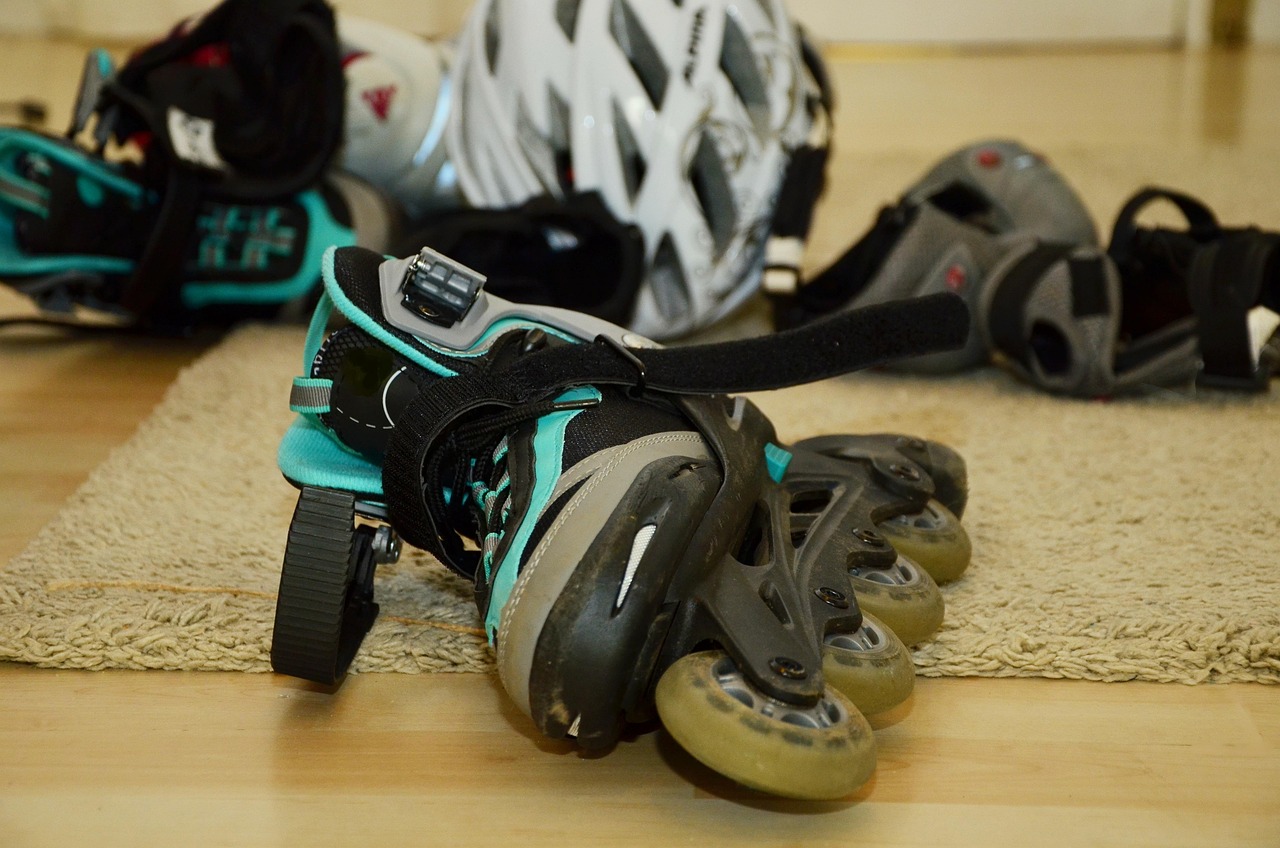
Wearing protective gear while inline skating is non-negotiable for all levels of skaters. Helmets are essential as they provide significant protection for your head in case of falls. Lightweight helmets with ventilation increase comfort and ensure that you will actually wear them. In addition to helmets, knee pads, elbow pads, and wrist guards should be worn to mitigate injuries. These pads protect particularly vulnerable areas, minimizing the risk of serious injury resulting from impact. When choosing protective gear, look for high-quality materials that offer durability and comfort. Ensure that the equipment fits you properly, as poorly fitted gear may not provide adequate protection or could be uncomfortable. Many brands have gear designed for specific skating styles, so it’s wise to select options tailored to your skating habits. Remember to replace worn or damaged pads and helmets, as they lose efficacy over time. Ultimately, wearing protective gear should be viewed as an investment in your safety and confidence while skating. By adopting good habits about gear, inline skaters can enjoy their sport with reduced injury risks and enhanced stability.
Inline skating can lead to injuries but implementing safety measures reduces threats significantly. Appropriate wear and ongoing maintenance directly contribute to a skater’s safety and enjoyment. One aspect of care involves the environment where skaters practice their skills. Smooth surfaces are ideal, as rough terrain increases the chances of accidents. Choosing appropriate locations such as skate parks or pathways designed for skating ensures a safer experience. Visibility is another critical factor; wear bright or reflective clothing to increase visibility, especially when skating near traffic. Additionally, avoid crowded areas where other skaters or pedestrians may disrupt your balance. Be mindful of weather conditions, as wet surfaces can make skaters slip unexpectedly and fall. Always check the conditions of the skating surface. If it’s unsuitable, consider postponing your session to prevent potential injury risks. Lastly, consider group skating with friends. There’s safety in numbers, as having company can provide assistance if unforeseen accidents occur. Partnering with others allows skaters to have enjoyable experiences while looking out for each other. Adopting these safety precautions positively influences injury prevention tactics, enabling inline skaters to thrive.
Conclusion: Prioritizing Inline Skater Safety
Inline skating is an exhilarating sport, but ensuring safety through proper wear and maintenance is necessary. As discussed, choosing the right skates with adequate durability and comfort is essential. Cleaning and routine maintenance of your inline skates not only prolong their lifespan but also enhance performance. Wearing protective gear cannot be overlooked as it is vital to injury prevention; comfortable, well-fitted padding increases safety while skating. Additionally, practicing basic techniques aids in reducing risks associated with falls or loss of control. By being conscious of your environment and choosing safe locations to skate, you can mitigate potential dangers and have more fun. Remember that every skater, regardless of ability, should take proactive steps to promote their safety. Always remember to check the skating surface and be aware of conditions to minimize risks. In conclusion, inline skating is an enjoyable activity that offers many physical benefits. By incorporating safety practices into your routine and encouraging others to do the same, you foster a community that prioritizes safety while sharing the joy of inline skating. Following the guidelines provided can lead to a safer, more enjoyable skating experience.
Inline skating can lead to injuries but implementing safety measures reduces threats significantly. Appropriate wear and ongoing maintenance directly contribute to a skater’s safety and enjoyment. One aspect of care involves the environment where skaters practice their skills. Smooth surfaces are ideal, as rough terrain increases the chances of accidents. Choosing appropriate locations such as skate parks or pathways designed for skating ensures a safer experience. Visibility is another critical factor; wear bright or reflective clothing to increase visibility, especially when skating near traffic. Additionally, avoid crowded areas where other skaters or pedestrians may disrupt your balance. Be mindful of weather conditions, as wet surfaces can make skaters slip unexpectedly and fall. Always check the conditions of the skating surface. If it’s unsuitable, consider postponing your session to prevent potential injury risks. Lastly, consider group skating with friends. There’s safety in numbers, as having company can provide assistance if unforeseen accidents occur. Partnering with others allows skaters to have enjoyable experiences while looking out for each other. Adopting these safety precautions positively influences injury prevention tactics, enabling inline skaters to thrive. The final touch to skating safely is continuous learning through classes or videos, enhancing your skills further.