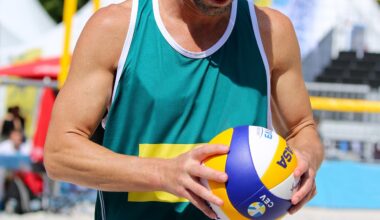

Fitness and Sport Travel: Combining Competitions and Leisure
Traveling for fitness and sports offers unique experiences that blend competition with adventure. Enthusiasts can explore beautiful landscapes while attending sporting events or participating in athletic challenges. Many destinations host marathons, triathlons, and tournaments catering to athletes of all levels. This blend of relaxation and competition allows travelers to maintain their active lifestyle while discovering new cultures and communities. Moreover, it promotes physical fitness and mental well-being, crucial components for a balanced life. Cultural immersion during travel enhances leisure experiences. Visitors can engage in local recreational activities that complement their athletic goals. From hiking in the Alps to surfing in Hawaii, each destination presents its sporting gems. Outdoor activities often provide opportunities to meet like-minded individuals, enhancing camaraderie. Balancing leisure activities like sightseeing and exploration with scheduled competitions is vital in planning. It’s essential to allow ample time for rest and recovery. Likewise, immersing in post-event celebrations and experiencing the local cuisine can enrich the travel experience. Such events encourage social interaction and network building within the sports community, promoting lifelong fitness. Whether it’s a challenging trail run or a yoga retreat, the journey’s variety ultimately leads to unforgettable memories.
Planning Your Sports Adventure
When planning sports-centered travel, doing thorough research is essential for an enjoyable and successful trip. Identifying destinations known for specific sports can facilitate better experiences. Factors like climate, proximity to competition venues, and available accommodations play a substantial role in decision-making. Prioritize fitness events that align with personal interests. Websites specializing in sports tourism can provide comprehensive information about upcoming competitions worldwide. It’s favorable to examine registration processes and deadlines to ensure participation. Additionally, gathering recommendations from previous travelers or athletes can give you insider tips on the best practices. Make accommodation arrangements early, particularly in high-demand areas where sports events happen. Unique lodging experiences, such as staying in hostels or renting charming bungalows, enhance travel experiences while making the event memorable. Validating transportation options is crucial, as travel itineraries must account for transit to and from venues. It’s advisable to consider package deals that combine accommodations and transportation. Preparing physically is also essential; engage in suitable training routines leading up to the trip. Likewise, create a flexible schedule to cater to unforeseen circumstances, ensuring enjoyment without added stress. Engaging with local communities can elevate travel dimensions while fostering friendships that last beyond the trip.
Attending events like marathons across various countries creates unique exercise opportunities, blending competition with wellness. Engaging in pre-race activities, such as training runs or workshops, allows for cultural experiences that enrich the athletic journey. Adapting to local practices helps in improving skills while also learning about different sporting traditions. Exploring local cuisine can enhance physical performance, providing necessary nutrition for athletes. Thus, visitors can savor traditional foods that contribute to their dietary needs, offering new tastes and nourishment. Furthermore, participating in community fitness events promotes a sense of belonging, connecting travelers to local enthusiasts. After racing, many destinations offer vibrant post-event celebrations. These festivities allow for interaction between athletes and locals, further deepening cultural appreciation. Such interactions create bonds—not just over shared interests in athletics but also through mutual respect and admiration. Engaging in recreational activities enables connections with others pursuing similar fitness goals. Planning optional excursions on days off provides opportunities for exploration and recovery. Healthy practices like yoga or spa treatments can rejuvenate athletes. Ultimately, balancing competitive participation with cultural immersion and leisure maximizes enjoyment of fit travel experiences while ensuring physical health remains a priority.
Utilizing Technology for Enhanced Experience
Today’s travelers can leverage technology to enhance their fitness and sport travel experiences significantly. Fitness apps provide real-time information about local running routes, gyms, and group classes in foreign destinations. These tools help maintain workout routines while traveling, thus ensuring continuity in fitness goals. Additionally, apps offering nutrition tracking and meal suggestions tailored to travelers’ locations can help in making healthy lifestyle choices. Technology also facilitates seamless travel planning through platforms that aggregate events, accommodations, and reviews from previous participants. Travelers can connect with fellow athletes via social media, finding partners for workouts or activities during their trip. Likewise, online communities dedicated to specific sports make it easier to gain insights about the local environments. Social media platforms provide perspectives that enrich the journey beyond information about the events themselves. Sharing experiences and creating memorabilia through photos and blog posts fosters inspiration for future adventures. Mobile devices enable the capturing of precious memories, encouraging others to participate in such life-enriching experiences. Consequently, tech-savvy travelers maintain active calendars filled with competitions and leisure activities. Combining fitness with technological assistance can elevate the holistic experience of travels while pursuing athletic endeavors.
Injuries are an unavoidable part of athletic endeavors, particularly when traveling. Understanding how to approach recovery effectively can enhance overall fitness without stopping progress. Prioritizing rest is essential to aid recovery while enabling participation in upcoming activities. Familiarizing oneself with regional physiotherapists or clinics can provide immediate assistance should injuries occur. Utilizing natural remedies or local wellness practices can also yield alternative recovery methods. Incorporating activities like yoga or gentle stretching can aid in maintaining fitness and flexibility, especially during rest days. Listening to one’s body signals encourages self-care and prevents exacerbation of injuries. Setting realistic fitness goals throughout the journey can accommodate planned recoveries, balancing participation with well-being. Creating a system for recording progress alongside training can keep inclusive goals aligned. If traveling for competition, consider pre-event tapering; this method ensures physical preparedness without overexertion. Above all, ensure hydration and nutrition support recovery processes. Ample water intake and nutrient-rich foods help in healing while maintaining energy levels for activities. Focusing on preventative measures, such as warming up and stretching, fosters long-term fitness in journeys, as avoiding injuries is crucial to maximize enjoyment and performance during athletic travels.
Cultural Engagement Through Sports
Engaging with local cultures while participating in sports events is a unique aspect of fitness travel. Many sporting events embrace local customs, allowing visitors to experience festivals and traditions firsthand. Observing or even joining in local celebrations fosters understanding and appreciation beyond the sport. For example, attending traditional ceremonies before a major race can provide insights into local beliefs and values. Additionally, international events often feature cultural displays that intertwine sports and community spirit. The lively atmosphere surrounding competitions allows interaction with local participants. Shared experiences, whether competing or cheering on athletes, build bonds and friendships. Exploring local markets, trying unique foods, or participating in recreational activities showcases a region’s distinctive features. Engaging in dialogue with local enthusiasts enriches the understanding of sport’s role in various societies. Events, such as fun runs or charity lifts, promote altruism and inclusivity, drawing diverse populations together. Thus, attendees create lasting memories while fostering connections. Traveling for fitness transcends mere competition, enabling travelers to gain perspectives through experiences infused with local flavor. This aspect of athletic travel promotes understanding and respect for different cultures, invaluable in today’s globalized world.
Traveling for fitness and sports not only boosts personal health but also contributes positively to local economies. Communities welcoming sports events benefit from increased tourism and visibility. Participants bring revenue to dining establishments, hotels, and also local merchants. Investing in fitness-related tourism promotes sustainable growth, ensuring communities thrive for future generations. Organizers often focus on creating sustainable events that prioritize environmental impacts while ensuring community involvement. Initiatives to minimize waste, promote recycling, and support local produce foster responsible travel. Many events encourage civic pride and showcase local talent, enhancing the cultural tapestry of the destination. Athletes often leave lasting impressions by sharing experiences on social media; these endorsements promote future travel for fitness endeavors. Moreover, collaborating with local organizations strengthens ties between visitors and residents. By encouraging sports tourism, communities can harness athletic events to highlight their unique attributes. Highlighting inclusive events opens doors to previously marginalized groups, fostering a sense of community belonging. A sustainable model promotes positive interactions among diverse participants, enhancing social dynamics. Emphasizing the benefits of sports tourism contributes to personal fulfillment while providing the backdrop for enduring friendships and revitalized communities. Ultimately, fitness travel leads to personal growth while impacting the world positively.
Conclusion
In conclusion, fitness and sports travel offer enriching experiences that blend competition and leisure seamlessly. With proper planning, travelers can strike a balance between attending events and exploring regional cultures. Utilizing technology enhances the travel experience while keeping fitness goals on track. Engaging with local communities through sports promotes understanding and respect for diverse cultures. Additionally, prioritizing health and wellness ensures a physically rewarding journey, leading to overall satisfaction. Participants enhance their experiences by partaking in community events or leisure activities alongside competitions. As the popularity of fitness travel continues to grow, communities benefit economically and socially. Emphasizing sustainable approaches can maximize the positive impacts of sports tourism while protecting local environments. Ultimately, the essence of fitness and sports travel lies in the transformation of personal journeys intertwined with the stories of the places visited. This adventure awaits each traveler, enriching lives through shared athletic pursuits and cultural connections. Make every trip an opportunity to explore the world while staying fit and active. As one embarks on these travels, unforgettable memories await, creating lifelong friendships with fellow adventure seekers. Thus, embrace the journey and encourage the next generation to pursue active and meaningful traveling for fitness.