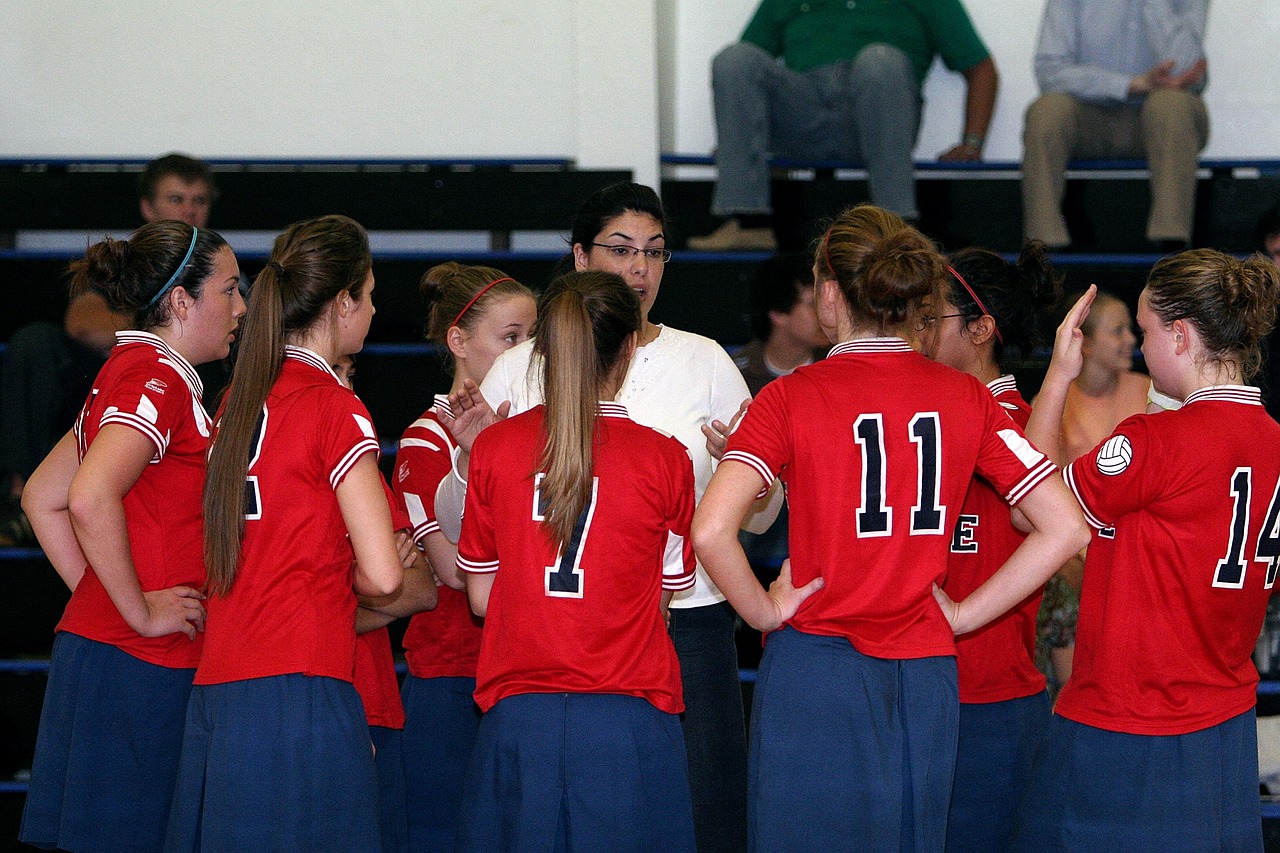

Real-Life Examples of Successful Volleyball Communication Techniques
Effective communication in volleyball can dramatically impact team performance. One of the best examples is using verbal cues during matches to signal plays. For instance, a player may call out “set” to indicate they are ready for a pass, while another might yell “mine” to claim a ball. These vocal announcements foster an immediate understanding among teammates. Additionally, non-verbal communication plays an essential role; gestures like pointing or nodding can convey important information without disrupting the flow of play. Observing professional teams reveals how critical these methods are; players utilize both verbal and non-verbal signals to make quick decisions. Moreover, regular communication drills during practice sessions help reinforce these techniques, ensuring that players feel comfortable. Coaches also encourage open dialogue, allowing players to express themselves and strategize collectively. This practice creates an environment where they are more inclined to communicate effectively in high-pressure situations. Incorporating technology, such as video analysis, enhances communication techniques further, letting teams review and assess their interactions. Overall, effective volleyball communication can significantly improve teamwork and lead to successful game execution.
Another successful strategy involves setting up specific hand signals to signify plays. This technique not only reduces confusion but also builds trust among teammates. For example, a player might raise a finger to indicate a quick play, while two fingers could signal a set play. Implementation of these signals in practice allows for seamless integration during live matches. Coaches often remind their teams to maintain eye contact, as it strengthens their connection and enhances on-court synergy. Players learn to read each other’s body language and anticipate movements, making their gameplay much more fluid. A notable example is when a team successfully executed a complex play involving multiple signals, showcasing their training’s effectiveness. Additionally, teams benefit from video review sessions where they analyze their communication. Discussions post-game provide insight into what worked and what didn’t, creating a culture of continuous improvement. This feedback loop iteratively refines players’ communication efforts. Important to note is the inclusion of all players in these discussions, fostering a sense of responsibility. Ultimately, establishing a comprehensive communication system is the key to achieving strong teamwork, which translates into better game outcomes.
Verbal and Non-Verbal Techniques in Action
In matches, one standout example of communication is the “3 call” system, utilized by many successful teams. This system allows teammates to inform each other whenever a move occurs, enhancing awareness on the court. When players hear a call, they instinctively react to situations, whether it’s to cover a teammate or anticipate a play’s outcome. Non-verbal methods, such as body positioning, are also crucial. A player in a specific stance can signal intentions without saying a word. For instance, a player crouched low might indicate they’re preparing for a defense rather than offense. Another example includes players using certain footwork patterns as signals. Being aware of each other’s movements helps cultivate anticipatory skills. Teams focusing on drills that emphasize these communication techniques note a marked improvement in their gameplay alignment. Additionally, mixing verbal calls with non-verbal gestures helps cement understanding. This dual approach minimizes errors during crucial moments in a match. Coaches then work to refine these skills, ensuring they become second nature to the players. Ultimately, utilizing a combination of verbal and non-verbal communication adds layers of complexity to the game.
Moreover, building rapport through communication drills during practice sessions proves beneficial. These drills often involve players practicing specified signals, verbal cues, and discussing strategies among themselves. Team-building exercises foster trust within the group, making it easier for players to communicate effectively during matches. An example would be conducting competitive drills while encouraging vocal communication. This practice ensures players verbalize their intentions and reactions, thereby enhancing situational awareness. An essential focus should include maintaining consistency in communication methods. A successful example is a dedicated practice session where players specifically work on their signaling processes and verbal exchanges for a set time. Coaches often highlight memorable games where effective communication was a significant factor in victory. This encouragement ensures players remain committed to refining their techniques. A recent match analysis indicated that teams effectively using communication experienced fewer turnovers. Continuous practice, discussion, and adaptation of these strategies keep teams competitive. Furthermore, emphasizing accountability in employing these techniques reinforces their importance. Healthy competition motivates players to remain engaged and intentional about their communication practices, thereby driving overall team success.
Real-World Success Stories
Real-life examples showcase various teams thriving on effective communication tactics. The United States volleyball team won gold medals due to seamless interactions among players. Their ability to engage in clear, concise vocal calls facilitated on-court coordination. This teamwork not only powered their offense but also fortified their defense, leaving rivals struggling to adapt. Another example includes European professional leagues, where teams often train with communication as a core focus. They implement unique strategies tailored to their players’ strengths, enhancing synergy and coordination. Such techniques combine both verbal and non-verbal cues tailored specifically to the team’s chemistry. Players report feeling more connected, which helps foster an invaluable sense of trust needed in high-stakes moments. Additionally, coaches throughout these leagues regularly emphasize reviewing communication practices after matches. This continual assessment ensures players remain aware of their language and signals, optimizing their game strategies. Furthermore, implementing technology assists in tracking communication effectiveness over time. Through the analysis of past performances, they improve their communication. Indeed, having notable success stories reinforces the value of effective communication for aspiring volleyball players and coaches alike.
Lastly, tracking outcomes based on communication techniques has emerged as a significant trend in volleyball training. Coaches are increasingly adopting metrics to assess their players’ communication efficiency during games. Data-driven insights allow teams to analyze which specific skills or signals yield better results in matches. For instance, through the use of advanced analytics, teams might discover that a unique call leads to a 20 percent increase in successful plays. This strategic use of data encourages teams to adopt specific communication practices that enhance performance. Implementing structured training sessions around evident feedback helps solidify these techniques. Increased awareness of how communication impacts gameplay fosters an environment for continuous skill enhancement. Moreover, players often express gratitude for feedback, as it reinforces their commitment to improving. In turn, clubs begin to develop tailored training programs focusing on these successful communication tricks. Overall, teams can implement new practices to sharpen their edge in competitions. As the emphasis on effective communication grows, volleyball enthusiasts are likely to witness the evolution of training methodologies emphasizing vocal and bodily interaction. These strategies ensure players consistently perform at their highest potential when executing during matches.
Conclusion
In conclusion, successful volleyball communication techniques operate as key drivers for excellent performance in the sport. Teams that adopt a balanced use of both verbal calls and non-verbal signals demonstrate a more profound connection on court. Implementing creative communication strategies helps teams thrive, especially during high-pressure situations. Coaches encouraging open dialogue and regular reviews of communication practices can improve overall team engagement. Furthermore, consistent practice sessions focused on collaboration enhance teamwork and intimate strategies among players. Analyzing real-world success stories further emphasizes the importance of cultivating a comprehensive communication framework. The advent of data tracking enhances understanding regarding the effectiveness of employed techniques. As volleyball evolves, so too do methods concerning communication dynamics and execution on the court. Training programs focusing on distinctive communication strategies offer teams a competitive advantage. Cultivating a culture of accountability ensures players are proactive in their approaches. Overall, the acknowledgment and implementation of effective communication techniques pave the way for emerging talents seeking excellence in volleyball. Coaches and players alike must prioritize these elements for a victorious future in the sport.
Ultimately, embracing effective communication within volleyball training not only nurtures individual player skill sets but also enhances team cohesion. Teams that prioritize communication foster a supportive environment, wherein players are more willing to communicate freely with one another. This cultural shift holds lasting benefits, impacting both current and future generations of volleyball players. Coaches play a pivotal role as they guide teams in developing these skills, ensuring that communication techniques remain at the forefront of practice sessions. As players progress, their ability to articulate needs and understand teammates through verbal and non-verbal cues helps build better relationships, encouraging collaboration and trust during games. Moreover, effective communication skills contribute to a player’s overall development, making them valuable assets on and off the court. As this emphasis grows, it can lead to notable advances in exciting gameplay and team dynamics. Practicing these methods results in smarter plays, quicker reactions, and heightened game awareness. Players learn the importance of being vocal leaders and taking responsibility for their actions. Therefore, establishing a foundation built on effective communication techniques is vital for any aspiring volleyball team to achieve their optimum performance level.