
Stretching Exercises for Postnatal Pelvic Alignment
After giving birth, many women find that their bodies need time to recover and realign. The pelvic area is crucial during this process, as it supports the entire body. Postpartum stretching exercises can significantly improve pelvic alignment, alleviate discomfort, and enhance overall well-being. Flexibility in the pelvic region helps ease tension and encourages proper posture, which is essential for new mothers. Additionally, proper alignment can help address common issues such as lower back pain and pelvic discomfort, often experienced during postpartum recovery. It is vital to approach these exercises with mindfulness, focusing on gentle movements that promote both strength and flexibility. Incorporating a routine of stretching can help rebuild strength while allowing women to connect with their bodies. The encouraging aspect of postpartum stretching is that it can be performed at home, making it convenient for new mothers juggling their time and responsibilities. Consult with a healthcare provider before starting any exercise routine to ensure it’s safe and effective for your individual circumstances. Proper training in stretching can also help new mothers establish a connection with their pelvic floor and enhance mindful awareness.
The Importance of Pelvic Alignment
Maintaining pelvic alignment following the postpartum period is vital for women’s health, as it sets the foundation for physical stability and overall comfort. Proper pelvic alignment facilitates optimal movement patterns, reducing the risk of injuries that could arise from dysfunction. Moreover, restoring balance in this area can significantly enhance core strength and improve the body’s alignment as a whole. Correct alignment helps reduce compression on the spine and pelvic organs, which can lead to improved bodily functions and hormone regulation. It’s not uncommon for women to experience changes in their body post-delivery, making alignment exercises crucial. By focusing on gentle stretching, women can better understand their physical capabilities post-birth. Emphasizing breath during these exercises fosters relaxation, which can be beneficial in furthering recovery. This also provides a moment of much-needed self-care, prioritizing the well-being of new mothers amid the challenges of parenthood. Establishing a routine of alignment-focused stretches can have long-term benefits for physical health and emotional well-being. Hence, integrating these exercises into a postpartum fitness regimen will empower women on their wellness journey.
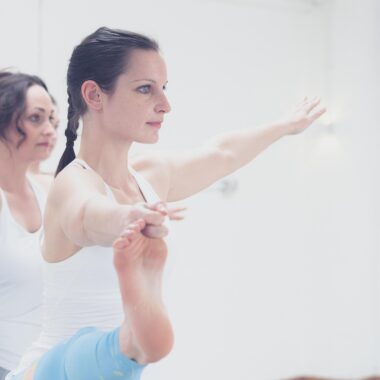
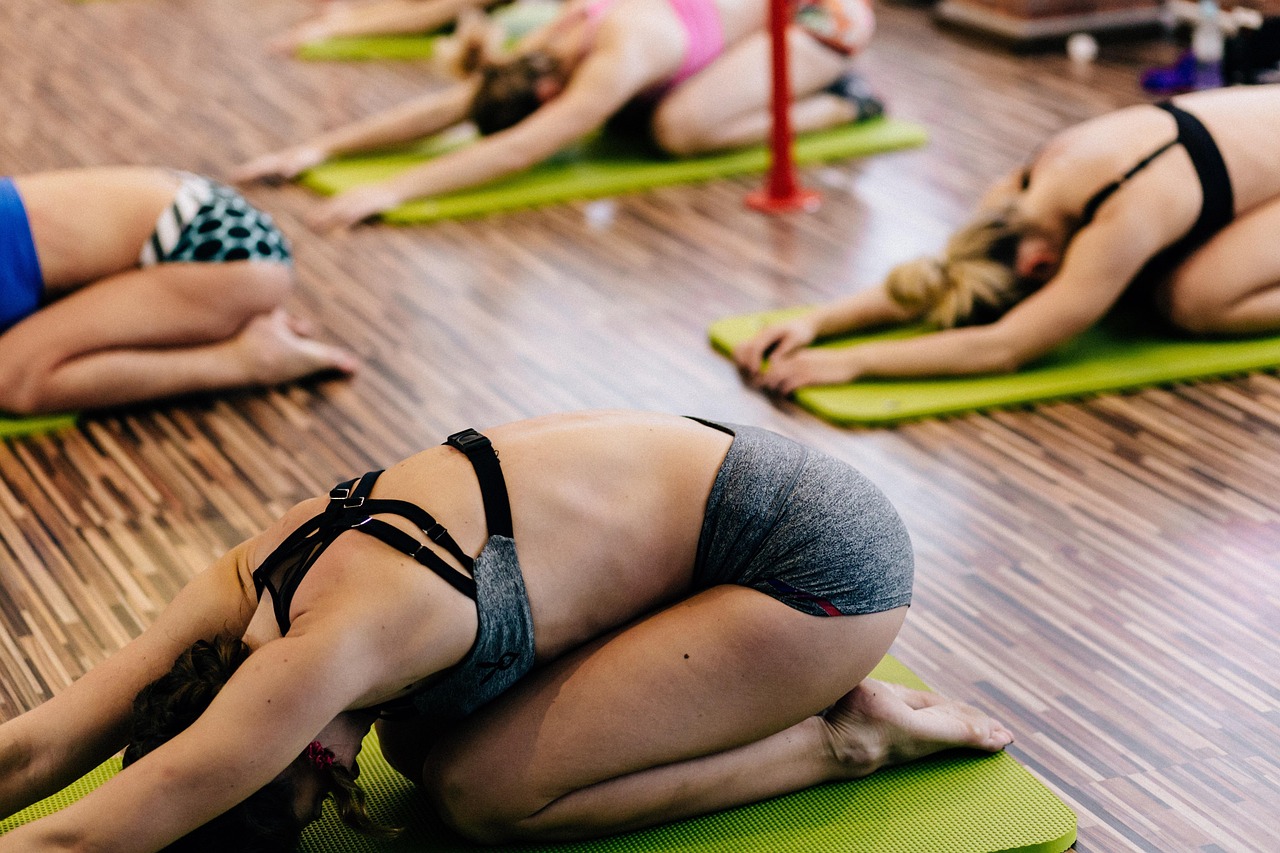
When practicing stretching exercises for postpartum pelvic alignment, several key stretches can promote flexibility and recovery. Some effective exercises include the seated forward fold, child’s pose, and hip flexor stretch. Each of these stretches targets muscles around the pelvis, helping in restoring alignment and flexibility. While performing a seated forward fold, it’s important to keep the spine straight and avoid overextending. This posture encourages a gentle stretch in the lower back and hamstrings, which are often tight after giving birth. In child’s pose, the body is supported, allowing for deep breathing and relaxation while gently stretching the hip, thigh, and back muscles. This position is excellent for soothing the pelvic area and bringing awareness to the breath. Lastly, the hip flexor stretch offers an excellent means of alleviating tightness caused by carrying a child or sitting extensively during recovery. Each stretch should be held for at least thirty seconds while ensuring to listen to one’s body, promoting a safe recovery without pushing beyond comfort levels. Establishing these exercises into a routine can foster long-term pelvic health and enhance quality of life.
Guidelines for Practicing Postpartum Stretches
When starting a stretching routine postpartum, it’s crucial to follow specific guidelines to ensure safety and effectiveness. Always consult with a healthcare professional before starting any exercise program. It’s essential to listen to your body and modify stretches as needed, especially if experiencing discomfort. Starting slowly allows muscles and ligaments time to adjust following childbirth. Gradually increase the intensity and duration of stretches as strength and flexibility improve. Establish a warm-up routine to prepare the body for stretching. Gentle movements such as walking or light pelvic tilts can safely increase blood flow, essential for muscle recovery. Additionally, focus on breathing deeply during exercises, as this can enhance relaxation and deepen stretches. Practicing mindfulness while stretching helps create a positive connection with one’s body during the recovery process. Engaging in regular stretching not only addresses physical aspects but also encourages emotional healing and stress relief amidst the challenges of new motherhood. To maximize benefits, ideally practice these stretches two to three times a week, dedicating time to self-care that focuses on holistic wellness.
Finding the time to engage in postpartum stretching may feel challenging for new mothers balancing multiple responsibilities. However, creative solutions can support regular practice. Incorporating stretches into routine activities, like during playtime with a baby or while waiting for nap time to commence, allows for consistent flexibility work. Using helpful props such as a yoga mat or a block can make stretches more comfortable and accessible. Additionally, practicing stretches with a partner, family member, or a friend provides encouragement and accountability, making the experience enjoyable. Online classes or apps focusing on postpartum recovery offer guided sessions that can further motivate women to maintain a consistent routine. Setting small, achievable goals, such as holding a stretch for a few extra seconds each session, fosters progress without overwhelming oneself. It’s key to acknowledge personal achievements, which nurtures a positive mindset. Encouraging a relaxing atmosphere, whether playing calming music or lighting a candle, helps enhance the experience of stretching and fosters commitment. Ultimately, creating space and prioritizing well-being can pave the way for improved pelvic health and recovery.
Conclusion: Embrace Your Postpartum Journey
The postpartum journey is unique for each woman, and it’s essential to honor personal experiences throughout this transformative time. Stretching for pelvic alignment plays a crucial role in a mother’s recovery, not only physically but emotionally as well. It helps develop a stronger connection with one’s body while regaining strength and flexibility. Regular stretching promotes healing by enhancing circulation, reducing tension, and encouraging relaxation, all vital for mothers navigating new demands. It’s never too late to begin incorporating these exercises into a routine, and as recovery progresses, returning to pre-pregnancy fitness levels may be achievable. Moreover, understanding the importance of pelvic health not only benefits the body but enriches overall life quality. Complimentary exercises such as gentle yoga can further support this journey, cultivating a holistic approach to recovery. Regular practice of postpartum stretches reinforces positive mindfulness, transforming the experience into one of empowerment. Connecting with a community of new mothers, sharing experiences, and practicing together creates solidarity and motivation. Embracing this journey with patience and compassion will certainly lead to long-term benefits, both physically and emotionally, fostering peace in motherhood.
As women adapt to their new roles, integrating postpartum stretching can inspire personal transformation and wellness. It’s essential to remember that every body experiences recovery differently; hence practices can and should be personal. Regularly attending workshops, participating in local fitness classes, or seeking online resources fosters continued growth and knowledge in postpartum fitness while emphasizing pelvic alignment. Each of these activities can create a sustainable approach toward physical well-being. Prioritizing pelvic alignment through stretching can yield lasting benefits, ultimately improving health for years to come. Women are encouraged to celebrate their own achievements and cultivate a connection with their physicality. Understanding that recovery is a journey encourages a more enriching perspective, where challenges become opportunities for growth and resilience. A supportive environment, either through friends, family, or a community, can make all the difference in maintaining motivation and commitment to practice. Encourage open communication about physical and emotional challenges experienced during this intense period of life. Ultimately, as women learn to find balance between motherhood and personal wellness, embracing stretching exercises becomes a revitalizing and rewarding experience.