
Understanding Balance Training
Balance training is essential for everyone, regardless of fitness level or age. It helps enhance stability, improves body awareness, and boosts overall strength. Unilateral exercises play a vital role in balance training as they force each side of your body to work independently. This can address strength imbalances and increase your coordination skills. Engaging in balance training contributes significantly to injury prevention in daily life. A stronger foundation, achieved through these exercises, allows your body to adapt better to physical challenges. By incorporating movements that engage multiple muscle groups, you engage in functional training that mimics everyday activities. Therefore, it prepares you for physical demands present in routine tasks and sports activities. Implementing regular balance training can enhance performance in various workouts, increasing overall efficiency. Programs that include unilateral exercises are particularly beneficial due to the focus they place on each side individually. Over time, your core stability improves too, contributing to better posture and alignment. Overall, these adjustments lead to enhanced athletic performance, making balance training a necessary component of effective workout routines. The longer you integrate these practices, the greater their cumulative benefits will be in your fitness journey.
Benefits of Unilateral Exercises
Unilateral exercises, which engage only one side of the body at a time, offer various benefits that contribute to effective balance training. They help establish a strong mind-muscle connection, enhancing your awareness of how each limb contributes to overall movements. By concentrating on one side, you can identify and correct weaknesses or imbalances that typically go unnoticed. This is crucial because many people have dominant sides that compensate during bilateral exercises, leading to poor muscle development. Incorporating unilateral training diversifies your routines and engages stabilizing muscles often ignored in traditional workouts. Consequently, they enhance functional strength, necessary for everyday activities. Moreover, unilateral exercises stimulate core activation, essential for maintaining balance during dynamic movements. Popular unilateral workouts include single-leg deadlifts, lateral lunges, and single-arm rows. Each of these exercises not only builds strength but also improves flexibility and coordination significantly. As part of a balanced training program, they promote symmetry and muscle development across both sides, decreasing the risk of injury over time. Therefore, integrating unilateral exercises into your weekly routine is essential for sustained progress and optimal body functionality. Invest in these workouts to keep improving your overall fitness.
Key Unilateral Exercises for Balance
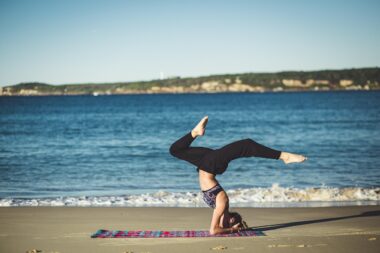
When it comes to unilateral exercises, selecting the right movements is crucial for successful balance training. One of the key exercises is the single-leg balance. This exercise is performed by standing on one foot while maintaining posture and stability. Another effective movement is the single-arm kettlebell press, which improves shoulder mobility while engaging the core. Additionally, the single-leg deadlift challenges both balance and strength effectively, targeting your hamstrings and glutes. Incorporating these exercises promotes not only strength but also coordination and motor control. Furthermore, lateral lunges enhance your lower body mobility while encouraging balance during dynamic movements. It is significant to engage each side equally to avoid strength imbalances that could affect long-term fitness goals. Practicing rotational movements, such as single-arm cable rows, can improve core stability and function as well. All these exercises can be included in your workout plan, ensuring each training session offers a comprehensive approach to balance training. Always aim for proper form and controlled movements, which are essential for maximizing effectiveness while reducing the risk of injury as you progress through your workout plan. Focus on gradual improvements in strength and balance over time.
Consistency is key when performing unilateral exercises for balance training. To reap the benefits, incorporating these movements into your workout plan two or three times a week is vital. Start your sessions with simple exercises to master the basic techniques before advancing to more complex variations. Time your workouts to target muscle groups accordingly, focusing on strength and stability pairing unilateral exercises with other training modalities for balanced development. For instance, combining traditional strength training with balance routines can improve overall athletic performance. When designing your weekly programming, ensure there is focus on recovery, allowing your body time to adapt and avoid overtraining. This is critical in preventing injuries, particularly when adjusting to new movements. Incorporating flexibility and mobility drills will also benefit your sessions, enhancing muscle elasticity while promoting joint health. This complements balance training by enabling more extensive ranges of motion. So, blend these principles within your balance training regimen to achieve the results you desire. Document your progress as you evolve your routine; this feedback inspires continued growth. Establish your targets depending on your capabilities, and gradually work towards improving your balance.
To further elevate your balance training, consider incorporating equipment designed to enhance unilateral exercises. Tools such as stability balls, balance boards, and resistance bands can significantly increase the challenge of your routines. These tools promote core engagement and force greater muscle recruitment. They elevate the intensity of your workouts, making balance training more dynamic and engaging. When using a balance board, for instance, you can practice squats or single-leg stands, which dramatically improve stability and proprioception. Resistance bands offer versatility, providing added resistance when performing exercises like single-arm rows or lateral walks. This not only challenges your muscles but also amplifies the benefits derived from training. You can enhance lower and upper body strength simultaneously while focusing on balance. Moreover, practicing on various surfaces can also add to the challenge. Training on uneven terrain further develops your body’s adaptability to different scenarios, enhancing overall performance. Experiment with different equipment and surfaces while tracking your progress. This strategy helps in finding what works best and keeps workouts fresh and exciting. Diversifying elements in your regimen leads to improved outcomes while maintaining interest within your training sessions.
In conclusion, balance training is an invaluable aspect of any workout plan. It strengthens your body, enhances performance, and mitigates injury risks. Unilateral exercises serve as a crucial component, allowing individuals to address imbalances while engaging stabilizing muscles effectively. As you explore balance training, integrate essential exercises into your routines for maximum longevity. Prioritizing a blend of strength, coordination, and flexibility is vital for reaching your fitness goals. Continuous assessment of progress drives improvement over time. Moreover, recovery is equally important to ensure safe advancements in your training. Embrace the journey toward mastering these skills with a commitment to celebrating small victories along the way. Each stride holds potential for improvement, making it a worthwhile pursuit in your fitness endeavors. Stay consistent, and remain dedicated to your workouts, and you’ll see positive changes that extend beyond the gym. Gradually, your confidence in physical abilities will expand, influencing your daily activities. Balancing workouts presents opportunities to engage with fitness creatively, instilling a sense of accomplishment that motivates you. Therefore, commit to including balance training as an essential part of your overall routine.
Sustaining motivation is crucial in any fitness journey, and incorporating fun elements into your balance training routines can fuel your passion. Consider bringing a friend along or participating in group classes to maintain a social atmosphere during workouts. This si essential for accountability and sustained enthusiasm. Additionally, setting specific, achievable goals can further inspire you during your training. Whether it’s mastering a new unilateral exercise or improving balance duration, these objectives keep you engaged and moving forward. Likewise, tracking your progress visually can be beneficial. Documenting improvements helps in recognizing your achievements, providing you with a sense of satisfaction over time. As you observe your growth, the continuous loop of motivation fuels further dedication to training. Challenges and obstacles may arise, yet maintaining a positive mindset allows you to navigate these barriers effectively. Take the opportunity to constantly refine your techniques, adjusting as needed through feedback from instructors or personal assessments. Remember, the path to mastering balancing techniques is an ongoing process. Consistently remind yourself of the many benefits achieved through improved balance and coordination. This serves as your compass towards achieving your overall fitness goals.
Incorporating influential trainers or workout groups can elevate your balance training experience significantly. Seek out fitness communities that share common goals in strength and stability, offering support and encouragement as you work toward your objectives. Experts in the field frequently share insights, techniques, and personal experiences that can help enhance your understanding of effective balance training strategies. Utilize online resources or video tutorials from trusted fitness professionals to further refine your techniques. Expanding your knowledge surrounding the nuances of unilateral exercises allows you to explore various approaches. Research within reputable fitness blogs and community forums will provide additional comprehensive resources for your training. This ongoing education will guide you in adapting effective strategies that can be personalized to fit your individual needs and goals. As you put these principles into practice, resilience emerges, leading you toward optimizing your workout efficiency. Anticipate the changes that balancing strategies bring, and remain open to adjusting tactics as you progress. Staying informed ensures you maximize your training and achieve lasting results. Remember, persistence in seeking knowledge will play a vital role in elevating your overall fitness journey and mastering balance training effectively.