
The Science of Flow State in Cycling
Cycling is not just a physical activity; it can drive us toward a state of mental clarity known as flow. In this state, cyclists often report feeling highly focused and connected to their surroundings. Studies indicate that optimal performance usually occurs when individuals experience flow, marked by intense engagement. Flow can be influenced by various factors, including challenge and skill level, which motivates cyclists to push their limits. Achieving this state can lead to immense satisfaction and psychological benefits. Understanding flow can improve one’s cycling experience significantly. It can also enhance personal growth and foster a deeper connection with biking. Recognizing when we’re in flow allows us to replicate those conditions in the future. For instance, when a cyclist becomes engrossed in the scenery and their own breathing, they may notice productivity heightening. This state can facilitate learning new techniques. Research highlights the role of intrinsic motivation in achieving flow; the joy of cycling itself is often a powerful motivator that encourages deeper commitment to the sport. Therefore, cycling provides not only an outlet for physical exercise but also a pathway to achieving elevated mental states.
When delving into the psychology of flow, it is essential to identify the specific characteristics that define this experience. Flow typically comprises aspects such as a sense of control, loss of self-consciousness, and distortion of time. Cyclists experiencing these characteristics often become oblivious to fatigue and external disturbances. Instead, they concentrate solely on their performance and surroundings, heightening their enjoyment of cycling. Additionally, goal alignment plays a critical role in fostering flow; the more challenging a task, the more focused cyclists are likely to be. They relish in pushing themselves, often finding that the challenge of a steep hill or a demanding trail engages their skills fully. To maximize flow experiences, cyclists can set achievable yet challenging goals that require total focus and concentration. Furthermore, eliminating distractions like smartphones may help create an ideal environment for flow. This deep focus cultivates heightened awareness of the ride and immediate surroundings, allowing cyclists to fully enjoy their journey. Thus, understanding how to cultivate these conditions can profoundly impact the overall cycling experience and foster personal development within the sport.
Another significant factor in achieving flow while cycling is the importance of mindfulness. Practicing mindfulness during rides enhances the ability to be fully present. Cyclists can utilize techniques such as controlled breathing and sensory awareness to foster this mental state. For example, paying close attention to the sound of wheels against the pavement, the sensation of air resistance, and the rhythm of pedaling can deepen the cycling experience. Participants who incorporate mindfulness often report elevated feelings of joy and satisfaction. Furthermore, studies suggest a strong relationship between mindfulness and an athlete’s ability to enter flow. Cyclists who practice being mindful may experience greater emotional well-being, thus enabling them to enhance their performance. Using mindfulness can also help in overcoming challenges more effectively, transforming obstacles into learning opportunities. This element of self-awareness allows cyclists to react better to both external factors and their own internal dialogue. Consequently, fostering mindfulness while cycling becomes an essential tool for entering flow states. Ultimately, these techniques not only improve performance but also enrich the overall joy of cycling.
Building Flow into Cycling Routines
Integrating flow into a cycling routine can be vastly beneficial for both performance and enjoyment. One method to achieve this is to establish a regular riding schedule that aligns with personal energy levels. Cyclists often enhance their experience by recognizing when they feel most energized, whether in the morning or evening. Additionally, incorporating variations in terrain, such as road cycling and mountain biking, introduces new challenges that can facilitate flow experiences. By seeking diversity in rides, cyclists can remain mentally engaged and motivated. Embracing new cycling techniques and skills, such as cornering or climbing, also fosters growth and excitement. Taking classes or joining a cycling community helps cyclists share experiences and challenges, creating an environment conducive to flow. Moreover, reflecting on past rides and recognizing optimal flow moments can help identify triggers for future experiences. Therefore, by adjusting their routines and being mindful of their surroundings, cyclists can cultivate an ongoing cycle (pun intended) of achieving flow. This process not only boosts physical performance but enhances the mental enjoyment of cycling, ultimately contributing to a more fulfilling cycling journey.
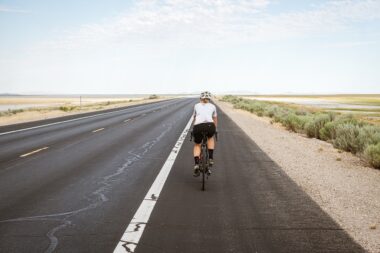
The surrounding environment also influences the likelihood of experiencing flow while cycling. Natural settings, often characterized by beautiful landscapes, play a crucial role in fostering enjoyment and mental clarity. Cyclists are more likely to achieve flow when immersed in pleasant scenery. The gradual rise of a hill, the sound of rustling leaves, or sunsets casting hues on the trail can create an atmosphere conducive to flow experiences. Moreover, the weather can significantly impact the cycling experience; pleasant conditions can enhance mood and motivation. Research suggests that cycling through various environments generates diverse emotional responses, contributing to opportunities for flow. Cyclists are encouraged to explore various routes, such as scenic trails, parks, or coastal paths, which provide different sensory stimuli. Finding those perfect locations that evoke feelings of calm and exhilaration can enrich cycling and often lead to outstanding performance. Therefore, cyclists should consciously choose their routes based on their preferences. Connecting with the natural world positively influences one’s cycling performance, enhancing both the experience and likelihood of finding flow while engaging in this cherished activity.
The Role of Community in Flow
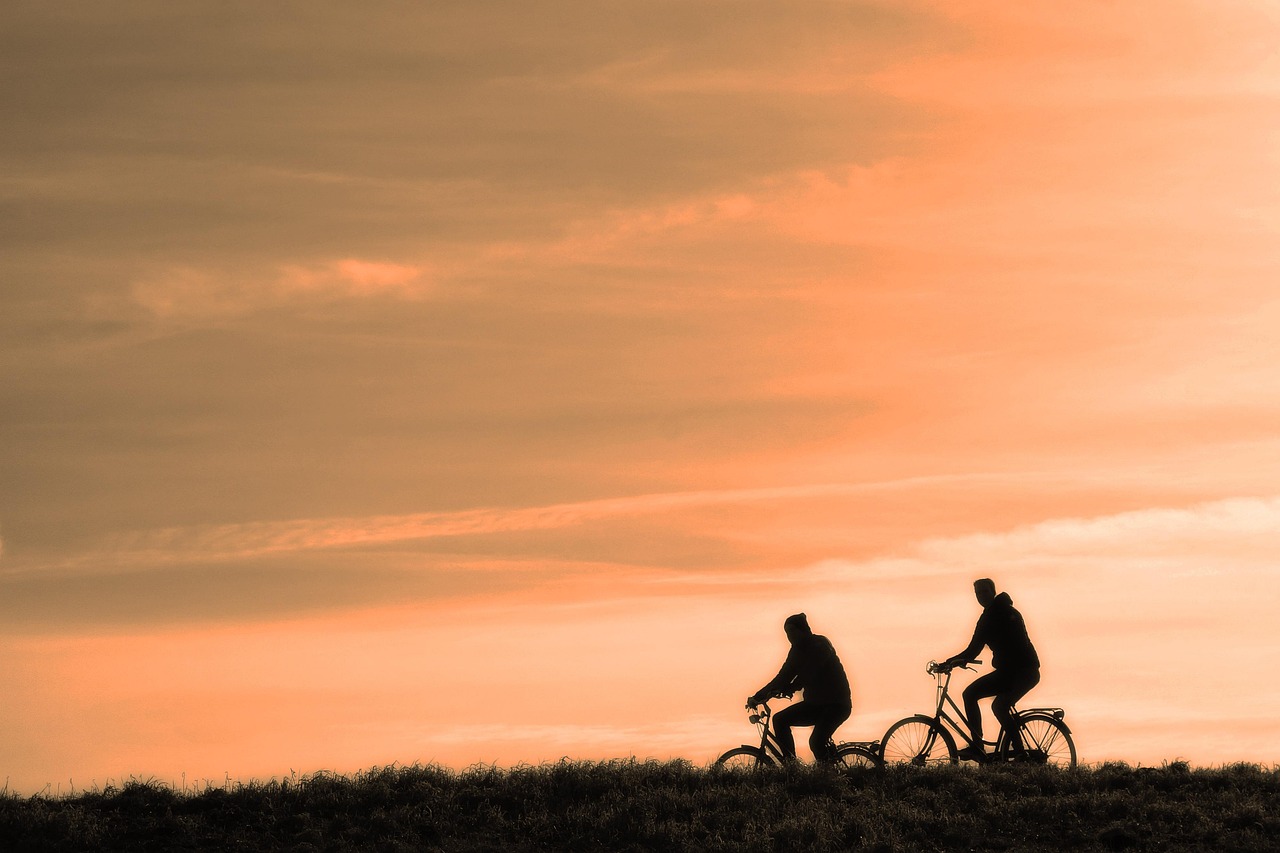
Being part of a cycling community significantly enhances the potential for achieving flow. Surrounded by supportive individuals who share similar passions contributes to motivation and engagement. Group rides often amplify the experience, as riders push each other to excel while creating an exhilarating environment. Significant connections may develop through shared experiences, leading to an increased sense of belonging. As discussed earlier, the intrinsic motivation derived from community support continually fosters growth through shared challenges. Additionally, engaging in group training sessions or cycling events can deepen this connection with others while introducing collective goal-setting. Such initiatives emphasize the importance of collaboration over competition, thus generating a supportive atmosphere. Ultimately, these social connections often translate to more profound flow experiences while cycling. Biking with companions also fosters valuable exchanges of techniques, facilitating new learning opportunities. Therefore, investing time in building relationships within the cycling community not only nourishes personal well-being but can also enhance motivation and performance. Engaging with fellow cyclists leads to an enriched cycling journey, making each ride memorable and impactful.
In conclusion, grasping the concept of flow state in cycling offers immeasurable benefits, allowing cyclists to reach their peak performance and enjoyment levels. Understanding how factors like mindfulness, environment, and social connection influence flow can profoundly refine cycling experiences. Setting achievable goals and concentrating on personal growth enhances the likelihood of attaining flow. Additionally, creating a routine that fosters engagement is crucial for both new and seasoned cyclists alike. Through exploring various routes and embracing different challenges, cyclists can cultivate an enticing cycling experience. Mindfulness techniques can be employed to develop self-awareness and a heightened connection to the journey. Moreover, tapping into the resources provided by a cycling community can lead to significant breakthroughs on both personal and performance levels. Finally, combining these strategies enables cyclists to savor every moment spent on the bike while forging deeper connections within their sport. The potential for achieving flow in cycling is vast; understanding how to seize it invites continued growth. Thus, the science of flow is integral not only to our physical endeavors but to our mental satisfaction and overall well-being in the exciting world of cycling.