
Nutrition Tips to Enhance Inline Skating Performance
Inline skating requires not just skill but also optimal nutrition to enhance athletic performance. Skaters should focus on a balanced approach, integrating carbohydrates, proteins, and healthy fats into their diet. Carbohydrates serve as the primary energy source during long training sessions, so including whole grains, fruits, and vegetables is essential for sustained energy levels. Additionally, proteins play a pivotal role in muscle repair and growth, making them vital for recovery post-training. Incorporating lean meats, dairy products, legumes, and nuts can help achieve adequate protein intake. Healthy fats from sources like avocados, olive oil, and fish, contribute to joint health and inflammation control, which is critical given the rigorous demands of skating. Understanding the importance of hydration cannot be overstated. Water intake is key to maintaining stamina and focus during training. Lastly, skaters are encouraged to plan meals around training schedules, allowing enough time for food to digest and provide energy. Prioritizing a nutrient-rich diet tailored for performance is a proactive step toward maximizing efficiency and enjoyment while skating.
One critical aspect of inline skating nutrition involves timing meals and snacks for peak performance. Consuming carbohydrate-rich meals before training can enhance energy levels significantly. It is advisable to eat a complex carbohydrate source, such as oatmeal or sweet potatoes, about two to three hours before skating. This gives your body enough time to convert food into usable energy. Immediately before a session, a small snack like a banana or a granola bar can provide a quick burst of fuel. After intense skating, your body naturally craves nutrients necessary for recovery. Within 30 minutes, consuming a combination of carbohydrates and proteins, such as a smoothie with fruit and yogurt, will help restore lost glycogen stores. Hydration is equally important at this stage; water or electrolyte drinks can replenish fluids lost through sweat. Experimenting with different foods before and after training can help skaters identify which meals provide optimal performance and recovery. Moreover, individuals must listen to their bodies to find a nutrition routine that caters specifically to their energy demands and recovery needs.
Micronutrients and Their Role
Alongside macronutrients, vitamins and minerals play crucial roles in athletic performance, especially in inline skating. Micronutrients support energy production, enhance immune function, and help in muscle recovery. Key vitamins such as Vitamin C, Vitamin D, and B vitamins are essential for skaters. Vitamin C, found in citrus fruits and berries, can help reduce muscle soreness and improve recovery times. Vitamin D, which can be sourced from sunlight exposure and fortified foods, contributes to bone health and immune function, critical for athletes. B vitamins support energy metabolism, so skaters should include foods like whole grains, dairy, and leafy greens rich in these vitamins. Moreover, minerals like calcium and magnesium are vital for maintaining strong bones and muscle function. Calcium-rich foods such as dairy products or fortified non-dairy alternatives should be consumed regularly. Magnesium can be sourced from nuts, seeds, and whole grains, playing a role in muscle relaxation and nerve function. Ensuring a balanced intake of these micronutrients can greatly improve performance, reduce injury risks, and enhance overall skater well-being.
An often overlooked aspect of a skater’s diet is the inclusion of antioxidants. These compounds help combat oxidative stress caused by intense training. Foods rich in antioxidants, such as berries, spinach, and nuts, can support recovery and reduce inflammation. This is particularly important for inline skaters who regularly subject themselves to high-impact activities that can lead to joint pain or fatigue. Antioxidants work by neutralizing free radicals in the body, which are harmful byproducts of metabolism that can cause cellular damage. A diet plentiful with colorful fruits and vegetables ensures a good variety of these important nutrients. Skaters might consider juices or smoothies that combine various antioxidants. In some cases, supplementation may be beneficial, particularly when whole food sources are insufficient. However, reliance solely on supplements is not recommended; a well-rounded diet is preferred. Overall, incorporating a range of antioxidant-rich foods can help maintain energy, prevent injuries, and optimize performance during training sessions. Making conscious dietary choices can greatly affect endurance, strength, and resilience in skaters, ensuring they can perform at their best.
Hydration for Optimal Performance
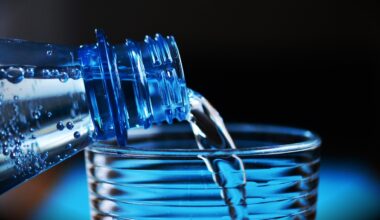
Hydration plays a pivotal role in optimizing inline skating performance. When skating, the body loses substantial amounts of water through sweat, which can lead to fatigue, decreased coordination, and slower reaction times. Thus, maintaining hydration before, during, and after training is crucial. It is recommended that skaters drink water consistently throughout the day, not just during training. A general guideline suggests aiming for at least 8 to 10 cups of water daily, increasing this amount based on activity level and sweat loss. During long skating sessions or competitions, incorporating electrolyte-replenishing beverages can help restore vital minerals lost in sweat. In choosing hydration options, skaters should pay attention to sugar levels; selecting low-sugar sports drinks or making homemade electrolyte drinks can be effective. Additionally, monitoring urine color can provide insight into hydration status; pale yellow indicates adequate hydration, whereas dark yellow may signal a need for more fluids. Skaters should develop a hydration strategy that aligns with their training intensities and durations. Proper hydration promotes endurance, enhances focus, and significantly contributes to overall performance.
Meal prepping is an invaluable strategy for inline skaters aiming to streamline their nutrition and support performance goals. Preparing meals in advance can help ensure that athletes have access to nutritious options without the temptation of unhealthy convenience foods when hunger strikes. By dedicating time each week to plan and prep meals, skaters can equip themselves with energy-boosting snacks and meals that cater to their specific dietary needs. When meal prepping, include a variety of protein sources like chicken, tofu, or legumes, which can help support muscle recovery. Complement these with whole grains and a multitude of colorful vegetables, which will deliver essential vitamins and minerals. Freezing portions can also allow for quick meal options that retain their nutritional value. Having grab-and-go snacks, such as energy bars or bags of nuts, can provide quick fuel between skating sessions. Regular meal preparation establishes discipline and promotes healthier eating habits. Moreover, skaters can experiment with different recipes to eliminate dietary boredom. This type of initiative leads to improved energy levels and performance when skating, ensuring athletes are feeding their bodies with proper nutrition.
Listening to Your Body’s Needs
Ultimately, understanding personal nutrition needs is key to optimizing inline skating performance. Athletes should develop an awareness of how certain foods affect their energy levels and overall performance. Keeping a food journal can be particularly helpful; by tracking what is eaten and how it correlates with feelings of energy or fatigue, skaters can make informed choices about their diet. Paying attention to hunger signals and understanding when to eat can also guide nutritional decisions. For instance, if a skater notices a dip in energy during training, it may suggest that they need to adjust their pre-training meal. Furthermore, nutrition needs can vary depending on the intensity of the training sessions; thus, athletes should be flexible with their diets. If recovery takes longer than expected, focusing on revitalizing meals and snacks may be crucial. It’s essential to seek professional advice from a sports nutritionist when in doubt; personalized dietary plans can offer tailored guidance to optimize performance. By developing a relationship with food that promotes energy and health, inline skaters can achieve their best on the track.