
Effective Kettlebell Routines You Can Do in Your Living Room
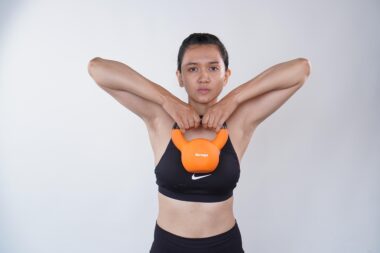
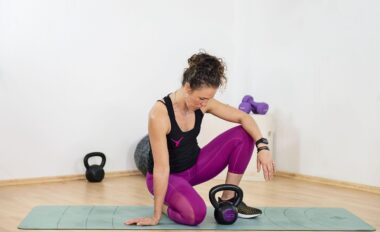
Kettlebell training offers an effective and efficient workout regimen that can be performed right in your living room. This type of training combines cardiovascular fitness with strength-building exercises, which allows for a full-body workout without the need for bulky machines. Start with choosing the right kettlebell weight; for beginners, something around 8 to 12 kilograms is ideal. You can perform a variety of exercises, including swings, squats, and presses. Not only do kettlebells work your muscles, but they also enhance your grip strength, coordination, and balance. To maximize your workout, ensure you maintain proper form throughout each exercise. A quality online resource to find routines is Bodybuilding.com, which offers a selection of kettlebell training guides. Remember to warm up before starting your workout and stretch afterward. This helps prevent injuries and aids in recovery. Aim for a routine that lasts 20-30 minutes, focusing on compound movements to get the most out of your time. Be consistent, and you will see significant improvements in strength and endurance over time, making kettlebell workouts a smart home training choice.
To effectively structure your kettlebell workouts at home, you can incorporate various training methods that focus on different muscle groups. Consider dividing your workout into three main phases: warm-up, core workout, and cool-down. In the warm-up, spend around 5-10 minutes doing dynamic stretches and mobility exercises. This can include shoulder circles, hip swings, and bodyweight squats. For your core workout, focus on a balanced combination of kettlebell exercises such as swings, goblet squats, and Russian twists. Completing three to four sets of each exercise for 10-15 repetitions can be effective. To challenge your strength, include exercises targeting the upper and lower body, like one-arm rows and lunges with the kettlebell. Once your core workout is done, transition into the cool-down phase, which should involve static stretches focusing on the muscles you’ve worked. This might include hamstring and chest stretches. A well-structured program encourages consistency and motivation. Keep a journal or log to track your progress, making adjustments as needed to help keep your workouts fresh and engaging. This practice is essential for continuous improvement in your kettlebell training journey.
Choosing the Right Exercises
Selecting the right kettlebell exercises for your home workouts can significantly enhance your training outcome. A popular choice is the kettlebell swing; it’s a full-body movement that develops power and cardiovascular endurance. To perform the swing effectively, maintain a neutral spine and ensure your hip hinge movement is initiated from your legs. Incorporating variety is vital; consider exercises like Turkish get-ups, single-arm deadlifts, and snatches. Turkish get-ups are particularly effective in developing mobility and core stability. Each exercise can target various muscle groups, including the shoulders, back, legs, and core. It’s recommended to incorporate a balance of pushing, pulling, and rotational exercises to prevent muscular imbalances. Including kettlebell complexes, where you perform a series of exercises back-to-back without resting, can intensify your routine and maximize calorie burn. Moreover, remember to listen to your body and adjust your weight and repetitions according to your fitness level. As you progress, challenge yourself by increasing kettlebell weight or decreasing rest time between sets, which will help you continue to improve strength and stamina in a fun and engaging way.
To maintain motivation in your kettlebell workouts, setting specific goals is crucial for tracking progress and staying committed. Start by determining what you want to achieve, whether it’s losing weight, building strength, or improving endurance. You could set short-term goals, like completing a specific workout routine five times a week, and long-term ones like mastering a more advanced kettlebell technique within a month. These goals can serve as a roadmap for your training journey, helping to keep you focused. Integrating variety into your workouts also helps in keeping things interesting and challenging. Experiment with interval training by alternating between kettlebell workouts and bodyweight or cardio exercises to maintain a high heart rate. Additionally, consider using apps or fitness trackers that allow you to monitor your progress. Sharing your fitness journey on social media or within a community of fellow kettlebell enthusiasts can provide an added layer of motivation. Celebrate small victories along the way, like increasing your kettlebell weight or completing a tough workout. This not only boosts confidence but can inspire further commitment to your fitness goals.
Safety Tips for Kettlebell Training
As with any workout regime, safety should be a priority when engaging in kettlebell training at home. Begin by ensuring your workout space is clear of hazards, giving you ample space to move freely without the risk of injury. Proper footwear is critical; use supportive gym shoes to maintain stability while performing exercises. Always focus on mastering the correct form before increasing weights. Poor form can lead to injury, especially during high-impact movements like swings or snatches. When performing lifts, engage your core muscles to protect your back and maintain balance. Proper breathing is equally important; inhale during the downward phase and exhale during exertion. Take breaks as needed to avoid exhaustion, and stay hydrated throughout your workout. Additionally, consider consulting a fitness professional or certified trainer for personalized instruction, especially if you’re new to kettlebells. Watching instructional videos online can also be beneficial for understanding the correct techniques. Lastly, listen to your body; if you feel discomfort or pain, stop the exercise and reassess your form or weight load. Making wise choices will enhance your kettlebell experience and reduce injury risks significantly.
Incorporating kettlebell training into your home workout routine has numerous benefits that extend beyond just physical fitness. Engaging in regular kettlebell workouts can contribute to improved mental health by reducing stress and anxiety levels, thanks to the endorphin release during exercise. This increase in overall well-being can foster a positive mindset, making it easier to tackle challenges both physically and mentally. Moreover, working out at home offers flexibility; you can fit routines into your schedule without the constraints of gym hours. Following predetermined workouts or guided sessions online has the potential to minimize decision fatigue, allowing you to focus on your training without distractions. You also have the convenience of jumping straight into your workout without the commute. Social aspects can be integrated by forming virtual workout groups with friends or family members, turning individual sessions into enjoyable group activities. This allows for accountability and encouragement in reaching fitness goals, leading to a more sustaining commitment to your training. Find a suitable balance between routine and variety to stay engaged and enhance personal growth in both fitness and mental resilience over time. Stay motivated and focused to reap maximum benefits from kettlebell training.
Conclusion: Your Kettlebell Journey
Embarking on your kettlebell training journey at home can be incredibly rewarding, offering various physical and mental benefits when executed properly. As you explore different routines and exercises, remember that consistency is essential. Establishing a schedule will help reinforce a habit of regular workouts. Supplement your kettlebell training with a balanced diet rich in proteins, healthy fats, and carbohydrates to support your muscles and energy levels. Flexibility is key; modify your routines based on your fitness level and personal preferences. Engaging with the online fitness community can provide extra motivation and support throughout your journey. Consider joining forums or social media groups where kettlebell enthusiasts share their experiences and tips. Don’t hesitate to showcase your progress or seek advice from others. Lastly, remind yourself that results take time, and every workout brings you closer to your goals. Maintain patience and perseverance; celebrate milestones, no matter how small they may seem. With dedication and the right mindset, kettlebell training can become an enjoyable and indispensable part of your lifestyle, fostering strength, resilience, and overall wellness for years to come.