
How to Prevent Swimming-Related Injuries in Seniors
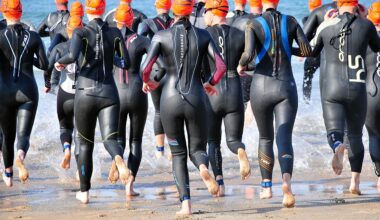
Swimming can provide numerous benefits for seniors, such as improved cardiovascular health, flexibility, and overall fitness. However, elderly individuals are more susceptible to injuries while swimming. Therefore, it’s essential to implement preventive measures. First, proper techniques should always be emphasized. Ensure that seniors receive swim instruction tailored to their abilities. Additionally, warm-ups are crucial; engaging in gentle stretching before swimming helps prepare the body. Gear is another aspect to consider. Seniors should wear well-fitted swim caps and goggles to protect their eyes and hair. Choosing the right swimwear can provide comfort, eliminating distractions during exercise. Next, consider the swimming environment. Facilities with shallow water, supportive pool edges, and accessible entry points will significantly reduce risks. For seniors who prefer swimming in open water, understanding local conditions is vital. It’s important for them to swim with a buddy, ensuring safety in case of emergencies. Staying hydrated before and during their swim is essential to prevent fatigue and muscle cramps. Last but not least, seniors should listen to their bodies. If they feel any discomfort or pain, they must give themselves permission to take breaks.
Common Swimming Injuries in Seniors
Like any physical activity, swimming comes with its risk of injury. Some prevalent injuries among seniors include shoulder strains, muscle cramps, and joint pain. These injuries may occur due to overexertion or incorrect swimming techniques. Understanding these risks helps reduce their prevalence. Shoulder strains often arise from repetitive movements, notably freestyle strokes. Seniors are advised to focus on proper technique and avoid overstretching their arms when swimming. Muscle cramps can happen due to dehydration or fatigue. Ensuring hydration before and after swimming is essential, as is gradually building endurance during workouts. Joint pain, particularly in knees or hips, might stem from the impact of swimming strokes. Modifying swim strokes can alleviate this discomfort. Seniors should consider practicing gentle strokes or using swim aids, such as kickboards or fins, which can limit joint strain while still providing a good workout. Continuous feedback from swim instructors can also contribute to proper technique. Lastly, regular physical therapy can benefit seniors, enhancing flexibility and strength, while preparing their bodies for aquatic activities. By recognizing potential injuries and addressing them early, seniors can continue enjoying swimming safely.
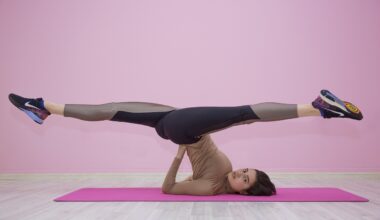
One significant strategy for preventing injuries in seniors is incorporating cross-training into their fitness routines. Cross-training involves mixing different types of exercises to boost their overall fitness and reduce the strain of repetitive activities. For instance, seniors can combine swimming with activities such as walking, yoga, and strength training. Each of these alternatives targets various muscles, ensuring a more balanced workout. By engaging in diverse activities, seniors can avoid overworking specific muscle groups, which helps minimize injury risks. Additionally, these activities can enhance flexibility, strength, and cardiovascular fitness while training different muscle groups. For instance, yoga individuals enhance balance and flexibility, which are crucial for pool safety. Walking can help maintain endurance without the impact of running. Strength training using resistance bands can assist seniors in maintaining muscle tone without straining their joints. Moreover, it’s essential for seniors to consult their healthcare providers before beginning new workouts, especially if they have existing health conditions. Adequate rest is another critical aspect of cross-training. Seniors should allow their bodies to recover, ensuring effective healing after any injuries, keeping in mind the importance of gradual progression within their programs.
A vital component of safe swimming for seniors involves building a supportive community around their swimming routine. Socializing while exercising not only enhances the enjoyment of the activity but also provides a safety net associated with camaraderie and peer support. Going to the pool with friends brings accountability and encouragement, making swimming an engaging social activity. Moreover, many community centers offer group swimming classes tailored specifically for seniors. These classes not only teach essential swimming skills but also introduce seniors to other individuals with similar interests. Participating in these classes fosters friendships and creates a support system to navigate any challenges encountered during swimming. Additionally, regular practice with familiar swim partners can bolster confidence. Therefore, seniors should seek opportunities to engage with others, such as joining local aquatic fitness groups or even participating in swim clubs designed for the elderly. Alongside social benefits, these interactions will help them stay motivated, as well as learn valuable safety tips from more experienced swimmers. Finally, seniors must take part in occasional social events organized by the swimming facility, enhancing the sense of belonging when attending the pool.
Essential Gear for Senior Swimmers
Choosing the right gear is paramount for seniors to enhance their swimming experience while minimizing injury risks. Quality swimwear should provide comfort, support, and ease of movement. Look for swimsuits specifically designed for seniors, featuring a modest cut and adequate coverage. Certain products offer additional support for the abdomen and back, which is beneficial. Swim caps serve to protect hair from chlorine damage while improving hydrodynamics. Properly fitted caps will sit securely on the head without causing discomfort, which is essential for extended swimming duration. Similarly, wearing goggles is crucial in preventing irritation from chlorine in the water. They’ll help to maintain clear vision underwater and minimize the risk of accidents. Seniors could also consider using swim aids, such as buoyancy belts or floating noodles, which can be particularly useful for those who require added support. These devices promote safe movement within the water while providing an extra layer of assurance. Additionally, nonslip sandals or water shoes can help avoid slipping on wet surfaces around pools. By investing in appropriate swim gear, seniors can enjoy their time in the pool while prioritizing safety.
Another essential element in preventing swimming injuries among seniors is emphasizing the importance of proper hydration and nutrition before, during, and after swimming sessions. Staying hydrated helps to minimize fatigue and muscle fatigue, which are common contributors to injuries. Seniors must consume sufficient fluids before swimming, as dehydration can occur more rapidly as we age. Drinking water or electrolyte-rich drinks, especially before engaging in various water activities, reduces the likelihood of cramping, lightheadedness, or exhaustion. Furthermore, nutrition plays a crucial role in overall health and injury prevention. Seniors should aim for a balanced diet rich in lean proteins, whole grains, fruits, and vegetables, providing the body with necessary nutrients to recover from physical activities. Foods such as bananas, for example, are great for maintaining potassium levels, which can help reduce the incidence of cramps. A pre-swim snack might include a small smoothie or yogurt, aiding in energy levels without causing discomfort during swimming. After swimming, seniors should replenish lost fluids while incorporating protein to aid in muscle repair. Regularly assessing hydration and nutritional needs ensures seniors remain healthy and injury-free while enjoying their swimming sessions.
Lastly, incorporating mindfulness and awareness practices can play a significant role in preventing swimming-related injuries among seniors. By engaging in mindfulness techniques, seniors can enhance their overall focus, listen to their bodies, and avoid pushing themselves beyond comfortable limits. Activities such as meditation or breathing exercises can improve mental clarity and promote relaxation, which can contribute to an improved swimming experience. Reminding themselves to be present in the moment while swimming supports better decision-making regarding their pace, effort, and overall enjoyment. Recognizing signs of fatigue or discomfort sooner can lead to timely breaks, preventing more serious injuries from occurring. Additionally, seniors could benefit from setting achievable goals and celebrating their progress, which fosters motivation and a positive mindset. Participating in aquatic-based mindfulness activities, like water aerobics, can help reinforce these awareness techniques. These sessions encourage seniors to focus on their body movements and establish a consistent rhythm. Ultimately, combining mindfulness awareness with practical swim practices can help seniors take charge of their swimming experience, understand their limits better, and reduce injury risks, ensuring a long-lasting, enjoyable aquatic journey.
In conclusion, by implementing the strategies outlined, seniors can effectively prevent swimming-related injuries and continue to enjoy this healthy, low-impact exercise. Ensuring proper techniques, adequate hydration, and the right equipment plays a critical role in promoting a safe swimming environment. Additionally, encouraging community involvement through classes or clubs enhances support and social interaction, which can create fun swimming experiences. Engaging in cross-training further contributes to balanced fitness, minimizing overuse injuries along the way. Mindful practices encourage awareness and listening to their bodies, ensuring seniors remain safe while partaking in swimming. Moreover, regular health checkups and collaboration with healthcare professionals are indispensable to identify personal fitness levels and limitations while swimming. By fostering a holistic approach to swimming safety, seniors can enjoy the numerous benefits this activity provides for many years to come. Swimming can transform the way seniors maintain their health, improve social connections, and promote their well-being. Therefore, it’s crucial to emphasize planning, preparation, and proper instruction to create a safe and enjoyable swimming experience. Let’s celebrate swimming as both a delightful recreational activity and an essential aspect of healthy aging.