
Yoga for Flexibility: Unlocking Your Athletic Potential
Flexibility is crucial for athletes aiming to enhance their performance. By incorporating yoga into your training regimen, you can achieve significant improvements in flexibility. This practice not only aids in lengthening muscles but also enhances joint mobility. Improved flexibility leads to a greater range of motion during workouts and competitions, ultimately improving athletic efficiency. Regular practice allows athletes to recover faster from injuries and prevents strains. Yoga enhances core strength, stability, and balance, which are essential for any athletic endeavor. Furthermore, the breathing techniques taught in yoga foster better oxygen delivery to muscles. This results in enhanced endurance, allowing athletes to perform longer without fatigue. Each yoga session can greatly contribute to physical conditioning, providing a holistic approach that traditional stretching methods cannot match. A well-rounded flexibility program should integrate both static and dynamic stretches, creating a balanced routine. Therefore, yoga offers multiple pathways to improved flexibility, catering to various athletic needs. Commit to a consistent practice for optimal results and unlock your true athletic potential. With dedication, you will notice beneficial changes in your physical performance, mental focus, and overall well-being.
In addition to physical benefits, yoga cultivates mental resilience, an often-overlooked aspect of athletic performance. The ability to maintain a calm and focused mind contributes significantly to how you perform under pressure. Yoga encourages mindfulness and concentration, essential qualities for athletes facing competitive environments. By practicing mindfulness through each pose, athletes can learn to control their thoughts and emotions, preventing distractions during crucial moments. The meditative component of yoga also assists in reducing anxiety levels, which can impair performance. Furthermore, improved body awareness gained through yoga translates to better technique and efficiency in your sport. Athletes can identify subtle areas of tension or imbalance, leading to corrective measures that enhance performance. Additionally, the breathing techniques used in yoga promote a sense of calm and focus. This skill can be especially beneficial during high-stress competitions. The combination of flexibility and mental clarity allows athletes to approach their performance with renewed confidence and poise. As you deepen your connection to your body and breath, you’ll find an enhanced capacity to execute your skills with precision. Ultimately, yoga is a powerful tool not only for improving physical capabilities but also for achieving mental fortitude.
The Role of Specific Poses in Yoga
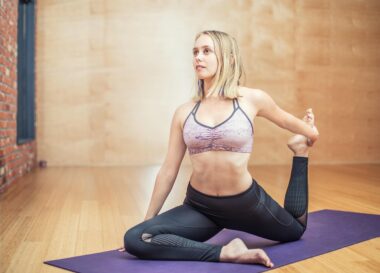
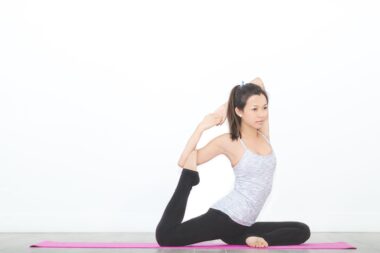
Several specific yoga poses greatly enhance flexibility relevant to various sports. For example, the Downward Facing Dog pose stretches the hamstrings, calves, and spine, improving overall leg and back flexibility. This pose is pivotal for runners who require strong and flexible legs for optimal performance. Another beneficial pose is the Pigeon pose, which targets the hip flexors and glutes, enabling athletes to achieve deeper squats or lunges. Effective hip mobility is crucial for athletes participating in sports that involve sudden direction changes, such as soccer or basketball. Additionally, the Cobra pose opens up the chest and promotes spinal flexibility, making it excellent for swimmers or cyclists. Incorporating these specific poses into training routines supports the development of specific muscle groups critical for your sport. Furthermore, incorporating variations and adjustments in these poses can accommodate your personal flexibility level and needs. It is advisable to gradually integrate poses into your regimen to avoid injury. Ultimately, exploring the various yoga poses will help athletes identify which ones most benefit their overall flexibility. Tailoring your yoga practice to align with your sport will undoubtedly lead to enhanced athletic capabilities.
While practice is essential, consistency is key to achieving significant flexibility gains through yoga. Establishing a regular schedule allows muscles to adapt and elongate over time. It’s recommended to devote at least three yoga sessions weekly to notice tangible results in flexibility. Moreover, combining yoga with other training forms can bring unparalleled benefits. Consider integrating yoga after your workouts to facilitate recovery and improve overall flexibility more effectively. This approach allows the body to benefit from the warm muscles, making stretching more effective. Implementing a variety of yoga styles, such as Hatha, Vinyasa, or Ashtanga, can also keep your practice engaging and stimulating. Each style has unique benefits tailored to different needs and preferences. Listening to your body is paramount—if a position feels too intense, ease into it rather than forcing it. Over time, flexibility will naturally improve as you become more attuned to your body’s needs. Remember that progress often takes time, and being patient and persistent will yield the best results. As you see yourself becoming more flexible, you can also expect improvements in strength, balance, and coordination. Yoga truly complements an athlete’s journey toward peak performance.
Common Misconceptions About Yoga
There is a common misconception that yoga is solely an activity for women or individuals seeking relaxation. On the contrary, yoga is a potent tool for athletes of all genders and skill levels who wish to enhance their performance. Many elite athletes incorporate yoga into their training to build strength, improve flexibility, and boost mental clarity. Furthermore, some believe that practicing yoga requires prior flexibility, which can discourage new practitioners. In reality, the primary objective of yoga is to enhance flexibility over time. The practice adapts to all levels, encouraging athletes to appreciate each progression, no matter how small. Additionally, some worry that yoga may detract from their core training. In truth, it serves as a complementary practice, addressing crucial aspects of fitness that traditional training overlooks. While high-intensity workouts focus on strength or speed, yoga develops the underlying flexibility and balance essential for overall performance improvement. Therefore, breaking these misconceptions allows athletes to explore yoga’s vast benefits. Embracing yoga can offer a significant advantage in competitive settings while fostering a more well-rounded fitness approach.
Incorporating breathwork into your yoga practice amplifies its benefits significantly, particularly regarding flexibility. Breathing techniques, known as Pranayama in yoga, assist in creating a focus on breath control. By optimizing breathing, athletes enhance oxygen flow throughout the body, which can lead to improved muscle function and flexibility. During practice, deep and intentional breathing relaxes muscles, allowing for greater ease in holding stretches and improving overall posture in poses. Learning to synchronize breath with movement heightens the experience and effectiveness of each session. Moreover, mindful breaths enhance concentration levels, which are fundamental for successful training sessions and competitions. The transitions between poses become smoother and more fluid, mirroring the flow of the breath. This connection between breath and movement fosters awareness and mental clarity, which can transfer over to your sport. Adopting effective breath control techniques can also reduce physical stress during rigorous activities. As a result, incorporating breath disciplines into yoga empowers athletes, offering greater potential for flexibility and performance improvement. Explore various breathwork techniques through yoga classes or independently to understand which methods resonate with your needs.
Conclusion: The Path Forward
Yoga proves to be a multifaceted practice beneficial for increasing athlete flexibility and overall performance. By committing to a regular yoga practice, athletes can unlock tremendous benefits in flexibility, strength, and mental clarity. The key is to remain consistent and patient while gradually incorporating a variety of poses into training routines. Recognizing that improvement takes time fosters a positive mindset, encouraging continued dedication. Additionally, as athletes find which types of yoga resonate best with them, they can tailor their sessions to their specific needs. The physical gains realized through yoga practice can profoundly influence athletic performance, improving not only flexibility but also injury recovery and mental fortitude. Enthusiasts can engage in group classes or follow online sessions tailored for athletes to ensure that their new skills are continually challenged. Ultimately, integrating yoga into your training will promote enhanced athletic capacity while enriching your overall health and well-being. Embrace the journey and enjoy the discovery of your body’s capabilities. With each stretch and mindful breath, athletes can unlock their potential and achieve excellence in their sport.