
The Role of Proprioception in Preventing Shoulder Injuries
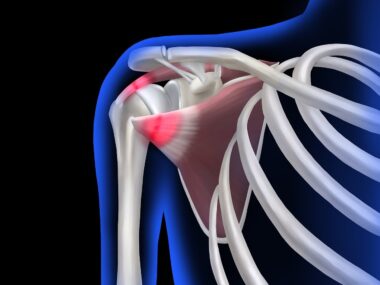
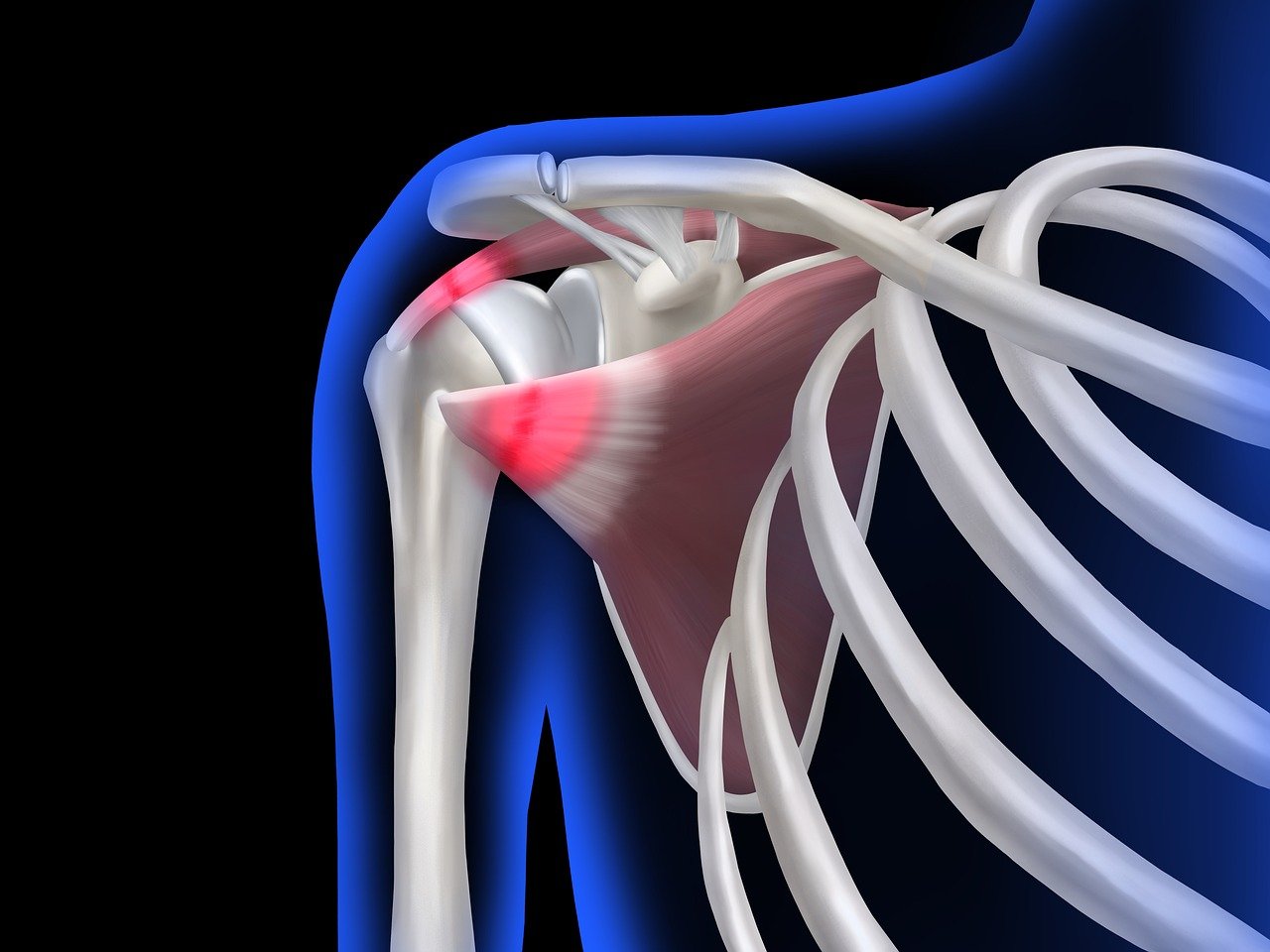
The human shoulder is one of the most complex and versatile joints in the body, allowing for a wide range of motion. Despite its flexibility, this complexity makes it particularly vulnerable to injuries, especially in sports. Proprioception, which is the body’s ability to sense its position and movement, plays a critical role in shoulder stability. Athletes rely on proprioceptive feedback to maintain proper joint alignment and prevent injury during dynamic and high-impact activities. For instance, sports like basketball, baseball, and tennis put considerable stress on the shoulder. Injuries often occur due to poor body awareness or misaligned movements. When athletes are not fully aware of their arm and shoulder positions, they may unintentionally place excessive strain on ligaments, tendons, and muscles. This heightened risk of injury makes it essential for athletes, coaches, and trainers to understand proprioception. Implementing proprioceptive training exercises can enhance an athlete’s awareness of their shoulder joint, potentially reducing the likelihood of injuries. These exercises can be integrated into regular training routines, providing valuable benefits for all levels of athletes.
Proprioceptive training is particularly valuable because it enhances the neuromuscular coordination necessary for shoulder stability. Research has shown that athletes who engage in regular proprioceptive exercises exhibit improved joint stability through enhanced muscle activation and reflex responses. Such improvements lead to better performance and reduced injury rates, making it an effective preventive strategy. Various proprioceptive exercises, such as balance training on unstable surfaces or specific shoulder stability drills, can significantly benefit athletes in sports with a high risk of shoulder injuries. These exercises can be tailored to the needs of different sports, allowing athletes to develop specific skills that match the demands of their sport. The emphasis should be on dynamic movements involving the shoulder and upper body, which closely mimic sport-specific actions. Additionally, training should include both open and closed kinetic chain exercises to challenge the proprioceptive system effectively. Through such comprehensive proprioceptive training, athletes can enhance their body awareness, coordination, and overall stability. By developing these skills, the likelihood of sustaining shoulder injuries can be significantly diminished during competitive practices and games.
Integrating Proprioception into Training Routines
Integrating proprioceptive training into an athlete’s routine requires a strategic approach. Coaches and trainers should assess the individual needs of athletes, identifying specific areas where proprioceptive deficits might exist. This assessment can involve functional movement screenings to pinpoint weaknesses in coordination and body awareness. Once deficiencies are identified, customized proprioceptive exercises can be introduced, focusing on joint stabilization and muscular endurance. It’s also important to create a progressive training structure that gradually increases complexity, starting with basic exercises and moving towards more challenging maneuvers. Incorporating equipment such as balance boards, stability balls, and resistance bands can further enhance proprioceptive training. These tools introduce instability, forcing the body to engage stabilizing muscles, thereby improving joint position sense. Creating a well-rounded program that includes proprioceptive training not only enhances shoulder stability but also contributes to overall athletic performance. Athletes can benefit from taking part in group training sessions that emphasize proprioception, fostering a supportive environment where athletes learn from one another. Involving athletes in their recovery process can further boost engagement and commitment to these critical exercises.
In addition to specific exercises, it’s essential to educate athletes about the importance of proprioception in their overall performance and injury prevention. Coaches should encourage open dialogue regarding the athlete’s experiences with proprioceptive challenges. By fostering an environment where athletes feel comfortable sharing their difficulties, trainers can provide tailored feedback and support. Furthermore, utilizing video analysis to review athlete movements can highlight areas for improvement and visual learning opportunities. This technique strengthens the connection between proprioceptive training and physical performance, helping athletes see the implications of their posture and movements in real time. When athletes understand the relevance of their training, they are more likely to be dedicated to their programs. Pairing proprioceptive training with injury rehabilitation can also be beneficial. For those recovering from shoulder injuries, reintroducing proprioceptive drills can be crucial for restoring normal movement patterns. These drills often rehabilitate not only the shoulder but the entire kinetic chain, optimizing recovery outcomes. Establishing a strong foundation of proprioceptive strength will empower athletes to return to their sport confidently and reduce the chances of reinjury.
Managing Fatigue and Visual Cueing
Fatigue can significantly impair proprioception, contributing to increased injury risk. As athletes become fatigued during training or competition, their awareness of joint positions may decline, which can lead to poor movement patterns and potential injuries. Thus, incorporating proprioceptive exercises that focus on maintaining awareness during periods of fatigue is essential. Coaches can design drills that simulate game-like scenarios where fatigue is a factor, allowing athletes to practice proprioception under stress. Furthermore, visual cueing can enhance proprioceptive training outcomes. Implementing visual markers or feedback can help athletes become more aware of their movements and enhance their proprioceptive responses. Using cones, lines, or targets during exercises encourages athletes to focus on both their body’s position and their spatial awareness, ultimately improving joint stability. Developing strategies that include visual feedback during proprioceptive training can lead to improved neuromuscular responses. This approach will enable athletes to maintain proper shoulder mechanics, even in challenging conditions while minimizing injury risk. Combining fatigue management with effective visual cueing techniques will cultivate resilient, well-rounded athletes capable of performing at their best.
As more research continues to emerge on the role of proprioception in sports, developing evidence-based protocols for incorporating these training elements becomes essential. Establishing standardized assessment tools and protocols for proprioceptive training can provide coaches and athletes with a structured approach to monitoring progress. This includes identifying key indicators of proprioception in athletes, such as joint position sense and balance. Furthermore, continuous education for trainers and coaches can foster a deeper understanding of the physiological aspects of proprioception and its link to injury prevention. Workshops, seminars, and certification programs can increase awareness and implementation of proprioceptive strategies. Social media and online resources can further support this effort by providing accessible information, demonstrating exercises, and sharing success stories. This collective knowledge-building will enhance the overall athletic community’s engagement in injury prevention. Embracing advanced technology, such as wearable devices, can provide real-time feedback on an athlete’s movements, allowing for real-time adjustments and tailored training regimens. By strengthening the scientific foundation underpinning proprioceptive training, athletes can access cutting-edge practices that enhance performance while effectively reducing their risk of shoulder injuries.
Conclusion: The Future of Proprioception in Sports Medicine
In conclusion, the role of proprioception in preventing shoulder injuries in sports can’t be overstated. As athletes strive for excellence, understanding proprioception’s fundamental nature contributes to overall athletic development and injury prevention strategies. Improvement in body awareness results in better joint stability, coordination, and balanced motion, all integral factors for sustaining a successful athletic career. Coaches and trainers must prioritize proprioceptive training within their conditioning programs, emphasizing its significance alongside traditional strength and conditioning methods. The future of sports medicine will likely see a greater convergence of proprioception with other training modalities, focusing holistically on athlete care. As technology continues to advance, the integration of innovative tools that foster proprioceptive training will allow for personalization and increased effectiveness. An athlete’s environment, motivation, and education play crucial roles in the successful incorporation of proprioceptive strategies. By embracing these aspects, sports organizations can significantly reduce the incidence of shoulder injuries and help athletes achieve their highest potential. Ultimately, the message is clear: investing time and resources in proprioception will yield long-term benefits for athletes, coaches, and sports professionals alike.