
The Impact of Climate Change on Snorkeling Environments
Climate change significantly affects snorkeling, redefining our underwater ecosystems. As ocean temperatures rise, many coral reefs experience bleaching. This phenomenon, caused by increased stress factors, threatens the habitat of countless marine species. Snorkelers rely on healthy reefs teeming with life. However, the increased frequency of coral bleaching events disrupts this delicate balance. According to a study, nearly 50% of the world’s coral reefs are affected by bleaching. Consequently, with fewer vibrant reefs, snorkelers experience diminished visibility and an overall decline in biodiversity. This leads to a less engaging snorkeling experience. Additionally, the acidification of oceans due to increased CO2 levels further impacts marine ecosystems. A recent report highlighted that the changing pH levels of ocean waters can weaken coral structures, making them more susceptible to destruction. This domino effect could devastate local tourism economies reliant on snorkeling and recreational fishing. Furthermore, it may force the migration of many beloved marine creatures. Snorkeling enthusiasts, environmentalists, and researchers face an uphill battle against these changes. It’s vital to advocate for sustainable practices that protect our oceans. The health of these ecosystems directly affects our enjoyment and understanding of underwater worlds.
Aside from rising temperatures and acidification, another critical concern is the increase in extreme weather events. Climate change has been linked to more frequent and severe storms, which greatly affect coastal ecosystems. Communities reliant on snorkeling tourism can face dire consequences. Strong storms can cause significant physical damage to coral reefs, impacting their recovery. Furthermore, increased sedimentation from storm runoff can smother coral polyps. Snorkelers may find diving conditions drastically altered in the wake of such events. Poor visibility, churning waters, and dangerous currents become common. Moreover, this environmental degradation has long-lasting effects on local marine life. Fish populations may dwindle as their habitats become unstable or disappear entirely, diminishing the overall snorkeling experience. As snorkelers, we must be conscious of these impacts. Supporting local conservation efforts can help mitigate some of these effects. For instance, organizations are working towards restoring damaged reefs and implementing sustainable tourism practices. Participation in reef clean-up initiatives can make a difference. Becoming a more responsible snorkeler contributes to the sustainability of these environments. As awareness spreads about climate change’s impact on snorkeling, it is essential to elevate efforts to protect marine ecosystems for future generations.
The Importance of Coral Reefs
Coral reefs provide essential services for the ecosystems that snorkelers explore. They act as natural barriers against waves, protecting coastlines and homes from erosion. In addition, they are vital breeding grounds for numerous species of fish and invertebrates. This biodiversity is what attracts snorkelers to these vibrant underwater landscapes, making coral reefs crucial for the health of marine environments. However, as the climate crisis unfolds, these ecosystems face unprecedented threats. The destruction of coral reefs can lead to the collapse of local fisheries, further exacerbating economic issues in coastal communities relying on snorkeling. Research has shown that healthy coral reefs contribute to the overall resilience of marine ecosystems. They support not only fish but also diverse organisms that interact symbiotically with coral. Snorkeling without healthy reefs means a less vibrant underwater adventure. Therefore, we must recognize our collective responsibility to safeguard these ecosystems. Through responsible snorkeling practices, we can minimize our impact on these environments. Supporting global conservation efforts like marine protected areas can ensure these reefs are preserved, allowing future snorkelers to experience the beauty of the underwater world. Preservation is not just beneficial; it’s essential for our ocean’s health.
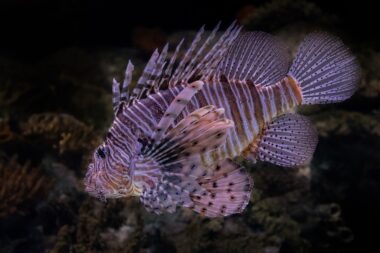
Another challenge facing snorkeling environments is the introduction of invasive species. Climate change alters habitats, allowing non-native species to thrive in areas where they were once unable to survive. As temperatures rise, many species shift their ranges into new environments, often outcompeting local species for resources. This has dire consequences for the biodiversity that snorkelers cherish. Invasive species can disrupt established ecological relationships, leading to declines in native populations. Research highlights several incidents where invasive fish species have drastically altered local ecosystems, impacting snorkelers’ experiences. An example is the lionfish, whose rapid proliferation threatens native fish populations in the Caribbean. This not only affects local biodiversity but also the livelihoods of communities dependent on fishing and snorkeling tourism. Snorkelers can help combat this issue by being aware of their surroundings and promoting responsible snorkeling. Engaging with local conservation groups can enhance efforts to deal with invasive species effectively. Educational programs can raise awareness about the importance of preventing the spread of these species. Protecting native rich biodiversity ensures a fulfilling experience for snorkelers and secures healthy oceans. It is vital to all marine enthusiasts to address the challenges posed by invasive species.
Local Actions to Mitigate Climate Impact
Local activism plays a crucial role in addressing the impacts of climate change on snorkeling environments. Grassroots efforts can drive awareness and promote the protection of underwater ecosystems. Engaging community members and tourists alike can create a supportive environment for conservation initiatives. Education is a key component of successful local programs. Through workshops, local residents learn about the importance of protecting coral reefs and how to minimize their impact as snorkelers. Such initiatives often include talks by marine biologists and conservationists who share their knowledge. Encouraging local businesses to adopt sustainable practices also supports this cause. Collaboration between tour operators and environmental organizations can lead to more responsible practices. For example, eco-friendly snorkeling tours can attract conscientious travelers who prioritize sustainability. These businesses often support local conservation efforts, helping to bolster action against climate change. Additionally, creating artificial reefs can support local biodiversity, aiding in recovery efforts. This fosters a rich snorkeling experience while providing tourism opportunities. Motivating the local community towards sustainable stewardship becomes essential, as their involvement translates into meaningful change. Together, we can help ensure the long-term viability of snorkeling environments for generations to come.
Individual actions also contribute significantly to the overall effort of combating climate change’s impact on snorkeling. Small changes in behavior can collectively make a difference. For instance, choosing eco-friendly sunscreen can reduce harmful chemicals entering marine environments. Many conventional sunscreens contain substances detrimental to coral reefs. Research shows that ingredients like oxybenzone and octinoxate can contribute to coral bleaching. Opting for reef-safe alternatives becomes vital for conscientious snorkelers. In addition, reducing plastic waste by using reusable gear helps minimize the environmental footprint. Plastic pollution poses a significant threat to marine ecosystems, impacting various species and their habitats. Snorkelers can participate in beach cleanups, helping to remove trash from coastal areas. This fosters collaboration among community members and raises awareness about pollution’s negative effects. Additionally, spreading the word about the importance of preserving underwater environments encourages others to join efforts. Engaging with friends and family in discussions about marine conservation can inspire positive changes. Choosing responsible suppliers for snorkeling gear, prioritizing sustainability, amplifies collective action. Together, by being informed consumers and advocates, we can create a sustainable future for snorkeling and protect our oceans.
Future of Snorkeling Amidst Change
The future of snorkeling environments hinges on our collective commitment to sustainability and conservation. With climate change challenging marine ecosystems, snorkelers must advocate for practices that protect our oceans. Collaboration between scientists, local communities, and policymakers will be key in addressing these issues effectively. Establishing marine protected areas can serve as essential sanctuaries for coral reefs and marine life, ensuring a balance between human activity and ecological preservation. Consistent monitoring and research are vital to understanding the ongoing impacts of climate change. This informs policymaking and helps develop relevant conservation strategies. Public engagement is crucial in fostering a sense of responsibility for our oceans. Awareness campaigns can inspire future generations of snorkelers to value marine conservation. Moreover, adaptive management strategies can be implemented to bolster resilience in local ecosystems. Supporting initiatives that enhance habitat restoration and promote climate education ensures sustainability. For snorkeling enthusiasts, this means enjoying vibrant underwater experiences now and in the future. By actively participating in conservation efforts and advocating for policy changes, snorkelers can protect the beauty and diversity of marine environments. Ultimately, the health of our oceans depends on individual and collective actions to combat climate change.
In summary, the ongoing threats posed by climate change demand urgent action to safeguard snorkeling environments. From coral bleaching and invasive species to the potential destruction caused by extreme weather patterns, the consequences are significant. By understanding these impacts, we strengthen our commitment to preservation efforts. Individual actions, such as choosing sustainable products and participating in cleanups, contribute to long-term benefits for marine ecosystems. Local activism combining education and community engagement can drive momentum towards more effective conservation strategies. Global awareness campaigns also raise understanding and support for critical initiatives impacts coral reef health. Emphasizing the importance of coral reefs and their role in marine biodiversity is essential for fostering a sustainable future. Snorkelers must recognize the interplay between climate change and their adventures underwater. Collaboration among scientists, policymakers, and local communities will be pivotal in implementing meaningful change. It aligns the snorkelers’ experiences with conservation efforts, ensuring future generations can appreciate healthy marine environments. The interplay of individual commitments and larger societal actions creates the strong foundation necessary for meaningful change. As snorkelers, we have the power to advocate for healthy oceans that inspire connection and adventure.