
Strengthening Core Muscles to Support Senior Balance
As seniors age, maintaining balance becomes increasingly important for preventing falls and promoting overall health. One effective way to support balance is through the strengthening of core muscles. Core muscles, located in the abdomen, back, and pelvis, provide vital stability and control during movements. Engaging in core-strengthening exercises can significantly improve posture, enhance stability, and boost confidence in daily activities. Often, seniors may feel hesitant about participating in exercises, fearing injury or discomfort. However, starting at a gentle pace can yield tremendous benefits while minimizing risks. A few simple exercises can help activate and strengthen these essential muscles. Gentle movements targeting the core can be performed with minimal equipment, making them accessible for most individuals. Additionally, working with physical therapists or trainers experienced in senior fitness can ensure safety and effectiveness. Integrating balance-focused activities into a routine alongside core strengthening can be beneficial. Seniors should aim to incorporate these exercises regularly in order to experience lasting improvements. Combining core strength exercises with balance activities allows for a comprehensive approach to better fitness and well-being.
One of the simplest core-strengthening exercises seniors can perform is the seated leg lift. To do this, sit on a sturdy chair with feet flat on the ground. Slowly lift one leg while keeping the knee straight, hold for a few seconds, and then lower it back down. Repeat this motion 10 times for each leg while engaging your abdominal muscles for added stability. Another effective exercise is the gentle pelvic tilt, which can be done while lying on your back with knees bent. Flatten the back against the floor by tightening the abdomen and holding this position for a few seconds. These movements not only strengthen core muscles but also help improve control during everyday activities. Seniors can also try modified planks or wall planks for more engaging routines. However, modifications ensure less strain and more manageable holds for seniors. Using resources such as video tutorials or engaging local wellness programs can assist those new to these physical activities. Incorporating core-strengthening exercises into daily life, even in short bursts, can significantly enhance stability and balance.
The Importance of Flexibility and Stretching
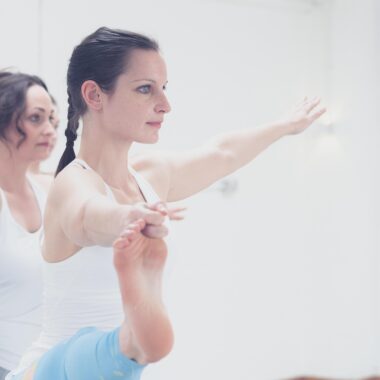
Alongside core-strengthening exercises, incorporating flexibility and stretching routines plays a crucial role in improving balance for seniors. Maintaining flexibility in muscles and joints enables better movement patterns and can prevent stiffness or tightness that leads to falls. Engaging in stretching exercises not only aids in maintaining mobility but can also enhance the effectiveness of core workouts. Gentle stretches for the back, hamstrings, and hip flexors can help seniors become more aware of their body positioning and reduce the risk of injury. A simple standing stretch is the toe-touch, which can be performed while maintaining balance by lightly holding onto a wall. During this movement, bending gently at the waist helps stretch the back and hamstrings. Moreover, involving gentle yoga poses or Pilates designed for seniors can improve flexibility and core strength. It is essential that seniors listen to their bodies and only stretch to a comfortable point, avoiding any excessive strain or discomfort. Regularly engaging in flexibility and balance practices is especially valuable for improving overall body awareness and confidence in movement.
A comprehensive balance workout routine for seniors may include not just core and flexibility exercises but also mindful practices such as tai chi. Tai chi is a gentle martial art that emphasizes slow, controlled movements and can significantly improve balance and stability. Incorporating tai chi into a weekly routine can provide both physical and mental benefits, enhancing core strength while promoting relaxation. Additionally, this practice encourages seniors to focus on their breath and movements, fostering a sense of mindfulness that can reduce stress. Participating in group classes can also enhance social interaction, making fitness more enjoyable and fulfilling. Combining various movement modalities keeps seniors engaged and committed to their fitness journey. Balancing the need for core strengthening, flexibility, and mindful movements enables seniors to cultivate a holistic approach to their fitness. Employing diverse exercise forms promotes a sense of achievement and motivation, as seniors notice improvements in their balance and strength over time. Ultimately, the assurance that comes from enhanced balance can allow seniors to enjoy their daily activities with freedom and ease.
Safety Tips for Senior Fitness
When engaging in exercise routines aimed at strengthening core muscles and enhancing balance, seniors should prioritize safety. Adhering to specific guidelines can prevent injuries and promote a safe experience. First, always perform exercises in a clear area with enough space to move freely, avoiding any obstructions. Wearing comfortable shoes that provide adequate support and grip is crucial for stability during workouts. Moreover, it’s important to start with a proper warm-up to prepare the muscles and joints for exercise. Seniors should engage in light cardio, such as walking, to elevate their heart rate before transitioning to strength work. While exercising, maintaining proper form and posture is paramount for preventing strain and injury. If uncertain about a certain movement, seeking guidance from qualified instructors can prove invaluable. Hydration should never be overlooked; staying hydrated ensures optimal physical performance and reduces risk factors related to dehydration. In case of pain or discomfort during any exercise, it’s vital to cease the activity and consult a healthcare professional to address any underlying issues. Prioritizing these safety strategies can help create a positive experience.
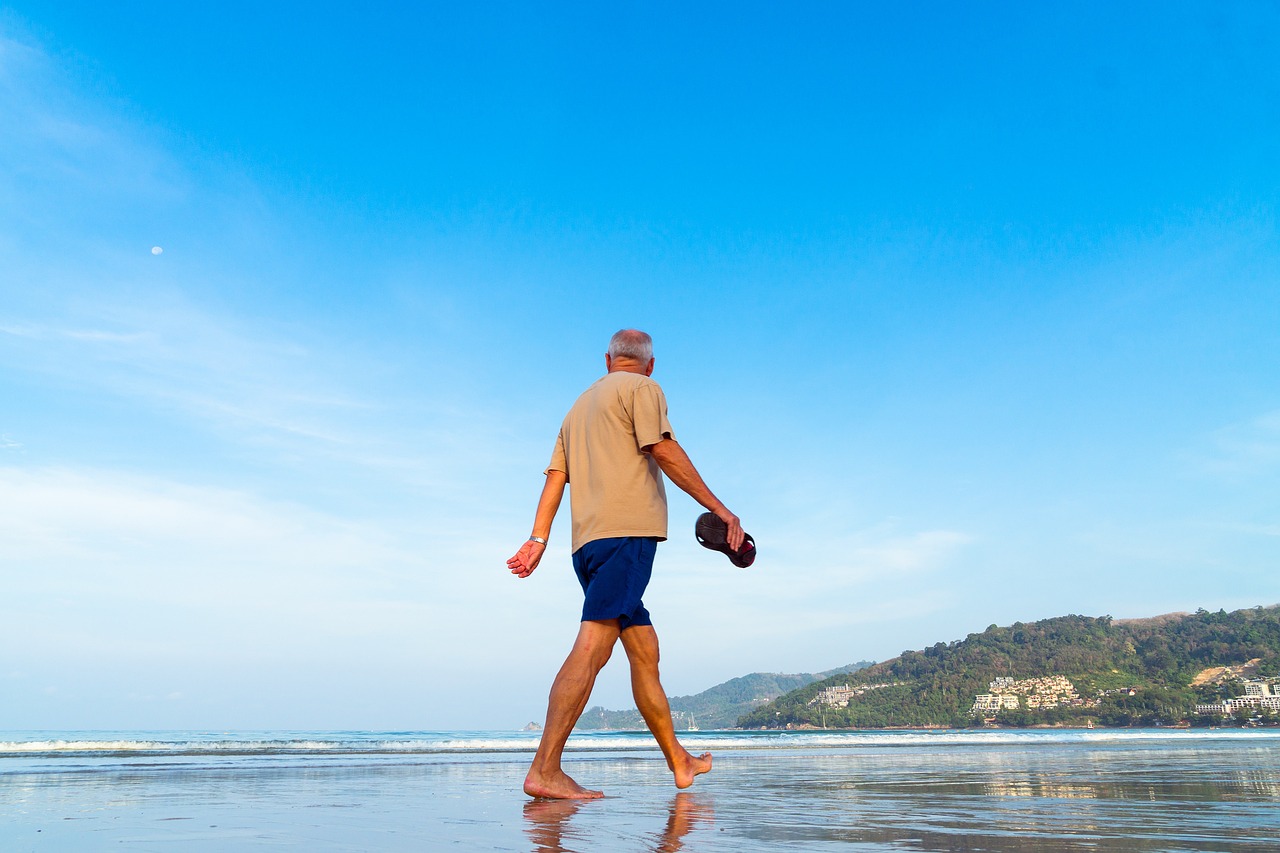
Incorporating fitness into daily life isn’t solely about structured exercises; it can also mean integrating movement into routines. Simple actions such as gardening, walking the dog, or climbing stairs offer effective low-impact exercises that reinforce core and balance skills. Consider engaging in light housework or active hobbies that encourage movement. This integration makes staying active enjoyable, rather than a chore. Seniors can also find motivation in fitness apps or trackers that provide reminders to move throughout the day. Setting achievable daily goals fosters a sense of accomplishment, further reinforcing commitment to personal fitness. Family and friends play an integral role in encouraging physical activity as well. Arranging group walks or participating in community classes enhances socialization while promoting health. Having an accountability partner fosters motivation and joy in the process. As seniors gradually improve their strength, balance, and confidence, they may find themselves engaging in activities they once avoided. This newfound strength allows for greater independence and a more active lifestyle. Ultimately, the more movement incorporated into daily life, the more resilient and balanced one becomes.
Conclusion and Encouragement
Strengthening core muscles to support better balance is not just a fitness goal; it is a pathway to enhanced quality of life for seniors. By prioritizing core stability through gentle yet effective exercises, seniors can effectively reduce fall risks while fostering greater independence in their daily lives. Engaging in a variety of exercises—blending core workouts, flexibility, and mindful practices—enables a well-rounded approach to fitness that caters to the unique needs of seniors. Remember, it’s essential that any exercise regimen is individualized based on a senior’s current fitness level and physical abilities. It is never too late to start prioritizing health, as every small effort can lead to profound improvements over time. Encouraging seniors to find joy in movement and to explore diverse activities accelerates their journey toward wellness. Keeping an open mindset towards learning and adapting new exercises makes the transition enjoyable. Perhaps most importantly, celebrating small victories in strength, balance, and confidence can significantly motivate adherence to ongoing fitness practices. With persistence and support, seniors can thrive and embrace a vibrant, active life.
Additional resources are available for seniors interested in strengthening core muscles and improving balance. Many communities offer fitness classes designed specifically for older adults, which can provide expert guidance and camaraderie with peers. Libraries and online platforms often host free or affordable courses aimed at senior fitness, focusing on accessibility and safety. Websites provide comprehensive guides and videos for tailored exercises that promote healthy aging. Moreover, consulting with health professionals can yield personalized advice and recommendations for tailored fitness regimens. It’s crucial for seniors to communicate any pre-existing conditions or concerns when starting an exercise plan. Building a support network—including family, friends, or community groups—can further reinforce commitment and provide encouragement. Sharing progress with others fosters motivation and enjoyment in the fitness journey. Therefore, taking initial steps towards improving core strength and balance can lead to remarkable transformations that embrace overall well-being. In essence, developing a routine centered on core muscles and balance is not just beneficial on a physical level; it promotes mental and emotional wellness as well. Empower and inspire seniors to take charge of their health, because better balance translates into enhanced quality of life.