
Effect of Altitude on Endurance in Nordic Skiing
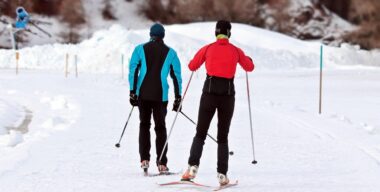
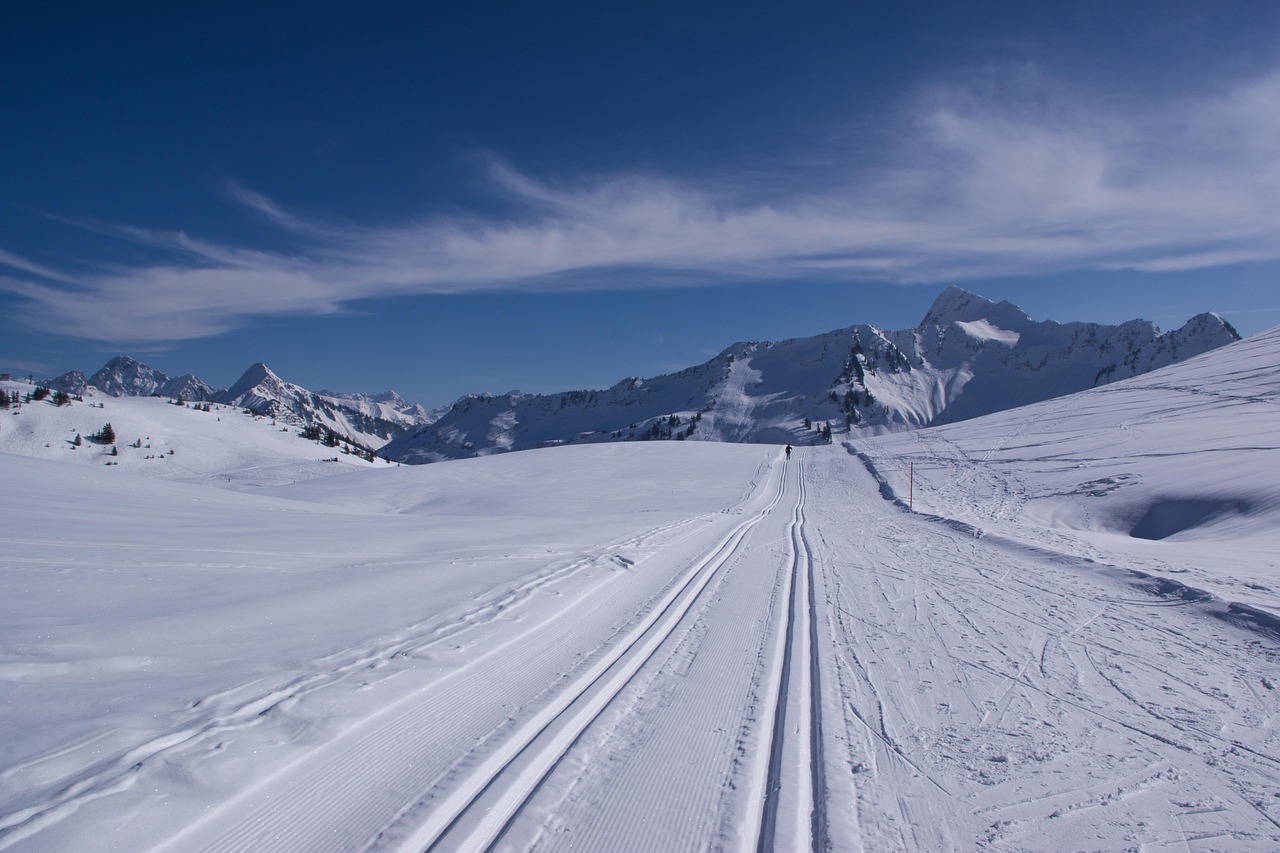
Nordic skiing is a demanding sport that relies heavily on both endurance and strength. Athletes often train at high altitudes to improve their performance. The aerobic capacity significantly influences overall endurance during competitions. When skiing at higher elevations, oxygen levels decline, impacting an athlete’s physical capabilities. The reduction in oxygen availability forces the body to adapt physiologically. These adaptations enhance red blood cell production and increase hemoglobin levels, benefiting endurance. A skier’s efficiency in oxygen utilization is crucial. At high altitudes, the body works harder to deliver oxygen to muscles which can provoke fatigue faster. However, the right training regimen allows skiers to improve their performance and tolerance to reduced oxygen conditions. The key lies in understanding how altitude affects the body and crafting a specific training program. Skiers need to spend time at altitude to acclimate properly. This entails training at elevations above 2,000 meters. Preparation also includes hydration strategies and carbohydrate loading. These strategies aim at maximizing energy reserves for endurance events. Therefore, athletes must recognize the effects of altitude before competitions to optimize their performance.
Altitude impacts endurance capacity through different physiological mechanisms. As athletes ascend to higher altitudes, their bodies undergo changes both acclimatization and adaptation. Generally, the heart pumps faster to meet increased oxygen demands. This response may result in a higher overall heart rate during competitive events. Furthermore, the body has to increase ventilation, promoting more frequent and deeper breaths. These alterations aim to compensate for decreased oxygen levels. Over time, with training, ski athletes can enhance their cardiovascular efficiency at altitude. This means they can maintain a sustainable pace for longer durations despite limited oxygen. Research indicates that the acute effects of altitude lead to initial decreases in performance, especially in longer races. To counter these effects, skiers can benefit from ‘live high, train low’ methodologies. Utilizing this approach can help them build strength and endurance at lower elevations, while still acclimating to higher altitudes. Collective training programs also promote teamwork and general morale. Athletes learn to push each other, enhancing their commitment and resilience. Such strategies combine both physical and psychological improvement, which accelerates adaptation to altitude challenges. Optimizing training schedules presents an excellent opportunity to maximize endurance in professional Nordic skiing.
Physiological Responses to High Elevation
When athletes compete in Nordic skiing at high elevations, understanding the physiological responses becomes vital. The first response is an increase in resting heart rate, resulting from decreased oxygen availability. Consequently, the body struggles to transport adequate oxygen. Hemoglobin levels increase as a compensatory mechanism, allowing for enhanced oxygen binding in the blood. Higher elevations also result in altered metabolic processes, shifting the reliance from aerobic to anaerobic systems. This shift can lead to quicker fatigue, particularly in longer races, resulting in a decline in performance. Furthermore, dehydration becomes a significant concern. As athletes experience increased breathing rates, they lose fluids much faster. Therefore, adequate hydration strategies must be implemented. Skis often require tailored nutrition plans rich in complex carbohydrates to fuel endurance. The body’s adaptation to altitude can take weeks, requiring diligent training schedules. With exposure, the body enhances its efficiency and resilience to difficult environmental factors. These adaptations become integral to success in high-altitude competitions. Overall, understanding the physiological responses provided by high elevations contributes to optimizing training techniques and performance. Athletes can better gauge their limits, resulting in improved endurance and competition results.
Altitude training presents a unique opportunity to improve endurance, but it comes with its challenges. First, not every athlete responds similarly to altitude. Some may experience altitude sickness, which can impair performance and training effectiveness. Symptoms include fatigue, headaches, insomnia, and nausea. Therefore, gradual acclimatization is necessary. Effective acclimatization strategies involve ascending slowly and gradually increasing exposure to high altitudes. Athletes also need to pay attention to their bodies when adjusting to altitude training. Consistent monitoring helps in assessing improvements in endurance performance. While training at elevation, it is essential to incorporate interval training mixed with moderate-low intensity workouts. This approach trains the aerobic system to work optimally under less oxygen availability. Equal emphasis must be placed on recovery as well. Active recovery helps improve circulation and optimizes muscle recovery. Additionally, athletes can complement their training with resistance workouts to build muscle endurance. Emphasizing cross-training benefits and prevents burnout. Importantly, rest and recovery must be prioritized to ensure muscles heal. Implementing these strategies allows athletes to maximize performance potential at high altitudes, ensuring they are prepared for competitive conditions when they matter most.
Recovery Strategies in High-Altitude Training
Following intense training sessions at high elevations, establishing effective recovery strategies is essential for athletes in Nordic skiing. Recovery plays a critical role in performance enhancement. Proper recovery helps muscles to repair and replenish energy stores, mitigating the effects of fatigue accumulated during training. Athletes often use various modalities for recovery. These include active recovery, hydration management, nutrition, and sleep techniques. Active recovery through light activities, such as jogging or cycling, increases circulation without over-stressing the body. Additionally, hydration is paramount, particularly at altitude, where dehydration can accelerate fatigue. Implementing electrolyte-rich drinks aids in maintaining hydration levels during intense physical exertion. Nutritional strategies also emphasize the importance of complex carbohydrates for replenishing glycogen stores. Protein intake is critical for muscle repair after intense training. Furthermore, establishing a consistent sleep schedule is key to facilitating recovery. Quality sleep directly influences concentration levels and overall performance. Utilizing foam rolling or massage therapy aids in muscle recovery, promoting flexibility. Athletes should also monitor their recovery rate through heart rate variability, which helps gauge when they can resume intensive training. Optimal recovery enhances performance and resilience, allowing athletes to function effectively at elevation.
Ultimately, understanding the interplay between endurance and altitude in Nordic skiing comes down to comprehensive training plans. Since athletes have varying responses to high altitude, personalized training regimens are necessary. These should encompass not only physical conditioning but also mental strategies. Regularly scheduled assessments allow athletes to gauge progress over time, identifying barriers to improvement. Biofeedback tools help in monitoring body responses. Such assessments provide insights into optimal training intensity and recovery time. The inclusion of technology in training programs equips athletes with vital data that drive performance decisions. Another vital component of training includes team support systems. Collaborating with fellow athletes enhances motivation and accountability. It creates an environment conducive to healthy competition, pushing each athlete to excel in their performance. Additionally, understanding individual limits is crucial for mental resilience. Athletes must learn to listen to their bodies and recognize signs of fatigue, as well as when to push boundaries. Balancing intensity with recovery enables long-term success and sustained endurance improvements. By embracing these strategies, athletes can optimize their physical and mental conditioning, essential for thriving under the rigors of altitude in Nordic skiing.
Conclusion and Future Directions
In conclusion, the effects of altitude on endurance in Nordic skiing are significant, shaping athletes’ training programs. Understanding the physiological responses to high elevation helps athletes adapt effectively. This requires a continued focus on developing training regimens. By employing essential strategies such as ‘live high, train low’ methodologies, athletes are equipped to enhance their performance significantly. Ongoing research into altitude adaptation will reveal new insights into effective training protocols. Future studies should explore individualized responses to altitude training, emphasizing the necessity for personalized approaches. Additionally, integrating technology, such as wearables, into training regimens offers potential for enhanced feedback. Monitoring physiological data can lead to precise adjustments, improving overall training efficiency. Moreover, unlocking psychological strategies to help athletes cope with high altitude challenges is essential. Mental resilience is a critical area where skiers can achieve competitive advantage. The pursuit of knowledge is imperative for the enhancement of performance in Nordic skiing. Athletes must remain open to evolving practices to secure their position within the sport. By embracing new research and practices that emerge, the future in Nordic skiing remains promising as altitude training continues.
In conclusion, the effects of altitude on endurance in Nordic skiing are significant, shaping athletes’ training programs. Understanding the physiological responses to high elevation helps athletes adapt effectively. This requires a continued focus on developing training regimens. By employing essential strategies such as ‘live high, train low’ methodologies, athletes are equipped to enhance their performance significantly. Ongoing research into altitude adaptation will reveal new insights into effective training protocols. Future studies should explore individualized responses to altitude training, emphasizing the necessity for personalized approaches. Additionally, integrating technology, such as wearables, into training regimens offers potential for enhanced feedback. Monitoring physiological data can lead to precise adjustments, improving overall training efficiency. Moreover, unlocking psychological strategies to help athletes cope with high altitude challenges is essential. Mental resilience is a critical area where skiers can achieve competitive advantage. The pursuit of knowledge is imperative for the enhancement of performance in Nordic skiing. Athletes must remain open to evolving practices to secure their position within the sport. By embracing new research and practices that emerge, the future in Nordic skiing remains promising as altitude training continues.