
Hydration and Injury Prevention in Athletes
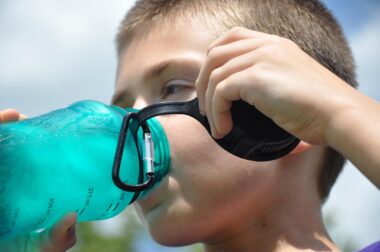
For athletes, proper hydration is essential to maintain optimal performance levels and prevent injuries. Dehydration can lead to fatigue, muscle cramps, and impaired cognitive function, which may contribute to accidents during training or competition. For those engaged in intense physical activities, the risks of dehydration should not be taken lightly. Symptoms of dehydration include dry mouth, dizziness, and reduced athletic performance. Consuming enough fluids before, during, and after workouts contributes to sustaining performance. Athletes should monitor their body’s signals for hydration needs, adjusting their fluid intake based on temperature, duration of activity, and sweat rates. Incorporating electrolytes into hydration strategies helps replenish vital minerals lost through sweat, further supporting recovery and injury prevention. Certain fluids, such as isotonic drinks, can provide the necessary sugars and salts. Moreover, adhering to a hydration schedule often improves overall physical performance. Maintaining optimal hydration levels not only enhances athletic prowess but also ensures that injury risks are minimized during competitions. To educate oneself further on this critical topic, athletes can consult sports nutrition specialists for personalized recommendations. Proper hydration strategies can significantly impact an athlete’s wellbeing and longevity in sports.
Hydration is critical, especially during long workouts, for injury prevention. A well-maintained fluid balance aids in regulating core body temperature. In warm environments, dehydration can accelerate the onset of heat-related illnesses, such as heat exhaustion and heat stroke. Athletes training in higher temperatures need to adapt their hydration strategies according to their sweating rates. The more they sweat, the greater the need for fluid placement before, during, and after events. A practical hydration strategy includes checking urine color as an indicator of hydration status. Light, pale urine suggests proper hydration, while dark yellow indicates dehydration. Additionally, incorporating water and electrolyte-rich foods into a diet can enhance fluid retention. Foods such as watermelon, cucumbers, and oranges are effective hydration aids. Athletes should prioritize hydration as part of their overall training regimen rather than considering it as an afterthought. Consistency is key; regularly consuming adequate fluids optimizes not only performance but also muscle recovery. Furthermore, understanding individual hydration needs can help athletes avoid the detrimental outcomes associated with dehydration. Developing strong hydration habits is essential for enhancing athletic success and wellbeing.
The Role of Electrolytes
Electrolytes play a vital role in hydration strategies and injury prevention for athletes. These minerals are necessary for various bodily functions, including nerve signal transmission and muscle contraction. Sodium, potassium, magnesium, and calcium are among the key electrolytes that must be replenished during physical exertion. When athletes sweat, they lose a significant amount of these minerals, resulting in an electrolyte imbalance that can cause fatigue, cramps, and heat-related illnesses. To address this issue, athletes should consider incorporating electrolyte-rich drinks and supplements into their hydration routines. These can help restore balance and boost performance during intense workouts. Sports drinks, coconut water, or homemade electrolyte solutions are excellent options to maintain electrolyte levels. Another beneficial strategy is to consume foods rich in electrolytes before, during, and after exercise. Some examples include bananas, nuts, and sweet potatoes. It’s essential to strike a balance, as both overhydration and underhydration can lead to serious health risks. Therefore, monitoring electrolyte intake becomes crucial, particularly during extended training sessions or competitions. Athletes prepared with proper hydration and electrolytes are better equipped to prevent injuries while maximizing their performance outcome.
Incorporating technology can enhance hydration management for athletes. Wearable devices and applications can track hydration levels and remind athletes to drink water regularly. These innovative tools can analyze sweat rates, environmental conditions, and monitoring of fluid balances, catering hydration strategies specifically for individual needs. Regular check-ins through technology can help maintain optimal hydration throughout exercises, especially in long-term training schedules. Athletes with access to such technologies can more aptly adjust their fluid intake based on real-time data and personal feedback. By employing these strategies, athletes can ultimately achieve improved performance and reduce the likelihood of injury. In addition to technology, adopting practices like pre-planning hydration strategies prior to events is critical. Athletes are encouraged to practice their hydration plans during lower-intensity training sessions leading up to competitions. Gaining insights into how their body reacts to various hydration tactics informs smarter decision-making. Furthermore, sharing these practices within training groups promotes accountability and fosters a supportive atmosphere when enhancing hydration awareness. Collectively, athletes who are diligent about monitoring their hydration, both technologically and socially, are likely to witness significant improvements in their athletic endeavors.
Long-Term Hydration Strategies
Long-term hydration strategies are crucial for sustained athletic performance and injury prevention. Staying hydrated isn’t just about individual workouts but involves a consistent approach throughout days, weeks, and training seasons. Athletes often benefit from creating a comprehensive hydration plan, taking into account their unique sweat rates and activity levels. Keeping a hydration log can help track fluid intake and pinpoint areas of improvement. This self-awareness aids in adjusting hydration needs depending on workout intensity. Additionally, integrating hydration goals with nutrition plans makes it easier to maintain stability. As the body requires fuel for both performance and recovery, focus on nutrient-rich foods combined with proper hydration. Athletes should also consider seasonal changes; hydration strategies may require adjustments based on temperature and humidity levels. Utilizing hydration tests, such as weigh-ins pre- and post-workout, can assist in determining fluid loss and reinstating proper hydration plans. Additionally, educating oneself on hydration benefits allows athletes to stay proactive. Understanding the long-term effects of hydration on health can inspire commitment. The cornerstone of an effective hydration plan is consistency, ensuring optimal athletic experiences year-round.
Staying hydrated is especially essential when recovering from intense physical efforts. Post-workout hydration should not be overlooked, as rehydration actively influences muscle recovery and overall health. Consuming fluids shortly after completing workouts supports restoration of energy levels and helps eliminate fatigue. Replenishing the lost fluids and electrolytes can significantly reduce muscle soreness, leading to more rapid recovery periods. This, in turn, will minimize the risk of re-injury during subsequent training sessions or competitions. Combining hydration with nutrient intake further optimizes recovery; protein is essential for muscle repair, whereas carbohydrates help to refill glycogen stores. Consuming recovery meals or snacks with adequate fluid content can facilitate dual benefits. Moreover, athletes should not rely solely on thirst as an indicator for hydration needs post-exercise. Having structured protocols for post-exercise fluid replacement can strengthen a well-rounded recovery routine. Hydration choices must cater to individual preferences to encourage adherence. Prioritizing hydration alongside nutrition on recovery days enhances overall performance levels. Making it a habit ensures athletes effectively support their body’s needs, leading to fewer injuries and a healthier life, inside and outside of sports.
Conclusion
Athletes must prioritize hydration as a crucial element of their training regimen, directly impacting performance and injury prevention. Developing tailored hydration strategies based on individual needs equips them with the tools necessary for success. By leveraging insights about fluid balance and electrolyte requirements, athletes can foster enhanced performance outcomes. Furthermore, adopting long-term hydration habits, utilizing technology for monitoring, and focusing on recovery hydration establishes a holistic approach. Creating an environment where proper hydration is prioritized promotes responsibility within training groups. Not only do these practices enhance performance, but they also sustain the health and well-being of athletes throughout their careers. With credible resources and education available, athletes are empowered to make informed decisions regarding hydration. Keeping hydration at the forefront of athletic preparation and competition increases resilience against dehydration-related injuries. Athletes who establish strong hydration commitments set themselves apart from the competition. An adequately hydrated athlete is more likely to maintain higher levels of energy, focus, and strength, ultimately achieving their goals. As a result, investing in hydration strategies leads to both immediate advantages and long-lasting benefits, ensuring both peak performance and diminished injury risk.
In conclusion, effective hydration practices are integral to an athlete’s overall success and longevity in their sports journey. Ensuring that athletes understand the importance of drinking fluids regularly, especially during training and competition, should not be underestimated. Building awareness around hydration strategies not only positively impacts performance levels but also keeps athletes physically safe. Those striving for excellence know that the most refined strategies must accommodate individual hydration needs. Cultivating these habits early in their careers allows athletes to reap benefits over time, turning hydration into a priority rather than an afterthought.